
Direct answer: your car shipping cost is mainly determined by route (lane), vehicle size/condition, transport type (open vs enclosed), and timing.
In real life, a short route can cost more per mile than a long route because availability matters.
Example: an SUV on enclosed transport will typically cost more than a sedan on open transport for the same lane.
If you want the most accurate number, start here: Get a Quote.
Summary
Table of Contents
Find car shipping cost and trusted auto transport for cross-country moves
15 Ways to Ship Your Car Safely
They say smart car owners always compare prices before shipping. Find your best car shipping cost here…
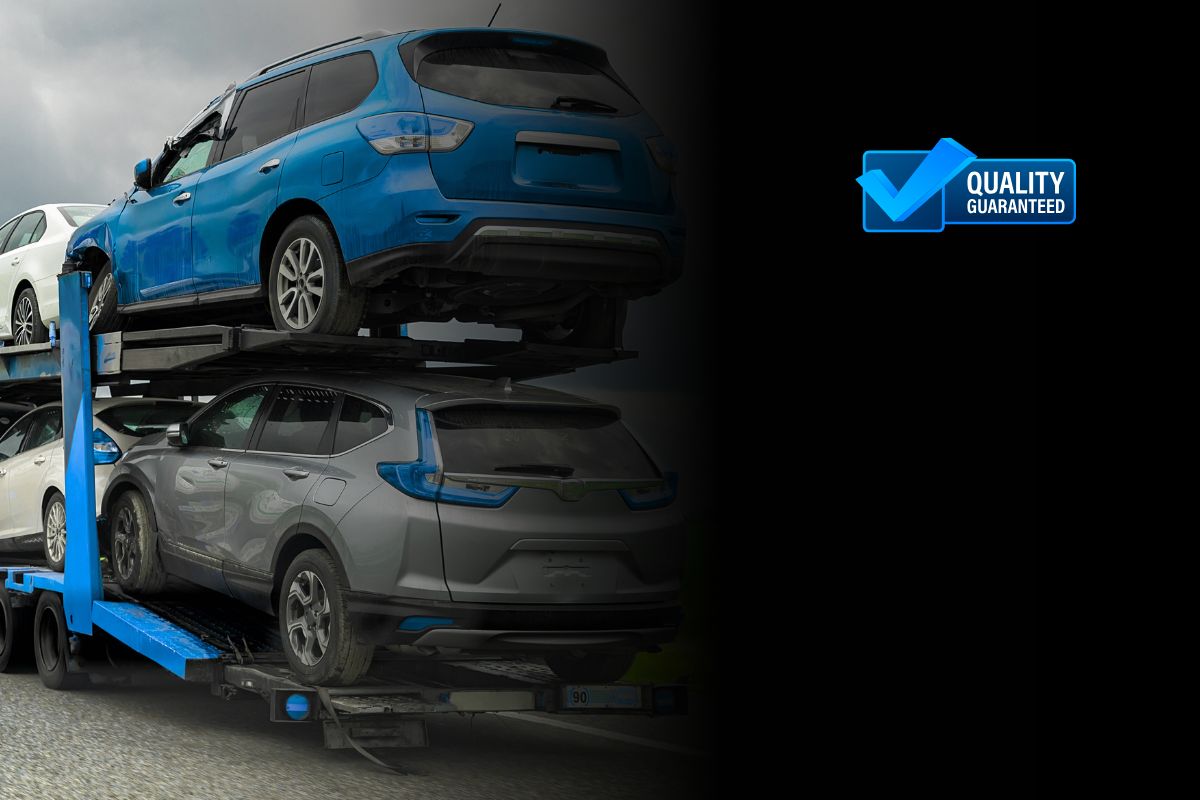
See what other customers say about their experience with John 3:16 Transport:
Car Shipping Cost: the 6 entities that drive your price
Use this simple entity map to understand what changes the price: Vehicle, Route, Service Type, Timing, Locations, and Market Availability.
Entity 1: The Vehicle
1Key attributes that affect cost
- Size/weight class: sedan vs SUV vs pickup (bigger usually costs more)
- Operable status: runs/rolls/brakes vs inoperable (special loading can cost more)
- Ground clearance/mods: lifted trucks, body kits, low clearance
- Value/sensitivity: daily driver vs luxury/classic (often leads to enclosed)
Entity 2: The Route (Lane)
2Key attributes that affect cost
- Distance: longer distance often lowers the per-mile rate, but increases total cost
- Lane demand: popular routes are usually smoother and more competitive
- Remote areas: fewer trucks nearby can increase cost
- Season/region: weather and seasonal moves can change availability
Entity 3: The Service Type
3Key attributes that affect cost
- Open transport: best value, most common capacity, widest availability
- Enclosed transport: more protection, fewer trucks, typically higher price
Entity 4: Timing
4Key attributes that affect cost
- Pickup window: flexible windows (like 3–7 days) usually price better than “tomorrow”
- Expedited pickup: faster scheduling often costs more
- Seasonality: peak seasons can raise prices due to demand
Entity 5: Pickup and Delivery Locations
5Key attributes that affect cost
- Truck accessibility: narrow streets, low wires, steep driveways, gated communities
- Business hours vs residential: appointment constraints can affect scheduling
- Meeting point required: sometimes a truck-friendly spot reduces delays and friction
Entity 6: Market Availability
6Key attributes that affect cost
- Carrier supply on that lane
- Fuel and operating costs
- Competition level
- Load matching: how well your shipment fits existing routes
Car Shipping Cost in 3 Simple Steps
If you can define these three things clearly, you’ll get a faster, cleaner quote.
Step 1: Pick your protection level
- Most people choose open for value
- Choose enclosed for higher protection or special vehicles
Compare service options here: Services Hub
Step 2: Define your lane (route)
- Pickup ZIP/city/state
- Delivery ZIP/city/state
- Any “remote” or difficult access notes
Step 3: Set a realistic time window
- A flexible pickup window often gives you the best combination of price + reliability
- If timing is urgent, expect expedited pricing
For the full process: How to Ship a Car
Cost Comparisons That Matter
These three comparisons are responsible for most price differences: Open vs Enclosed, Operable vs Inoperable, and Door-to-Door vs Meeting Point.
Open transport (most common)
Lower costBest for
- Daily drivers
- Standard sedans / SUVs
- Most normal moves
Why it costs less
- More trucks available
- More capacity per trip
Learn details
Open TransportEnclosed transport (premium protection)
Higher costBest for
- Luxury, exotic, classic, collector
- High-sensitivity paint / special finishes
Why it costs more
- Fewer trucks and less capacity
- More controlled handling and protection
Learn details
Enclosed TransportOperable vs Inoperable: a hidden cost trigger
Big impactIf a vehicle is inoperable, a carrier may need
- Winch or special loading plan
- More time at pickup and delivery
- Equipment compatibility
Door-to-Door vs Meeting Point: convenience vs complexity
Indirect impactMost shipping is door-to-door, but a meeting point might be used when
- Streets are too tight
- Low branches/wires are present
- HOA or city restrictions apply
| Entity | Attribute | What it affects | Cost impact (typical) |
|---|---|---|---|
| Vehicle | Size/weight | Space + fuel + handling | Medium to High |
| Vehicle | Inoperable | Equipment + time + availability | Medium to High |
| Service | Open vs enclosed | Protection + capacity | Medium to High |
| Route | Lane demand | Availability + competition | Medium |
| Route | Remote areas | Fewer carriers nearby | Medium |
| Timing | Flexible window | Easier scheduling | Often lowers cost |
| Timing | Expedited pickup | Priority scheduling | Often raises cost |
| Location | Access restrictions | Meeting point/coordination | Low to Medium |
FAQ (Quick Answers)
Where do most pricing surprises come from?
Vehicle size, inoperable status, tight pickup locations, and “rush pickup” requests.
Is a longer route always more expensive?
Total cost often rises with distance, but the per-mile rate can be lower on longer routes.
Should I choose enclosed transport for every car?
Not usually. For most daily vehicles, open transport is the value choice. Enclosed is for added protection.
Can I reduce my cost without risking quality?
Yes: use a pickup window, choose open transport if appropriate, and make pickup/delivery truck-friendly.
More common questions here: Auto Transport FAQ
Latest From Car Shipping Cost

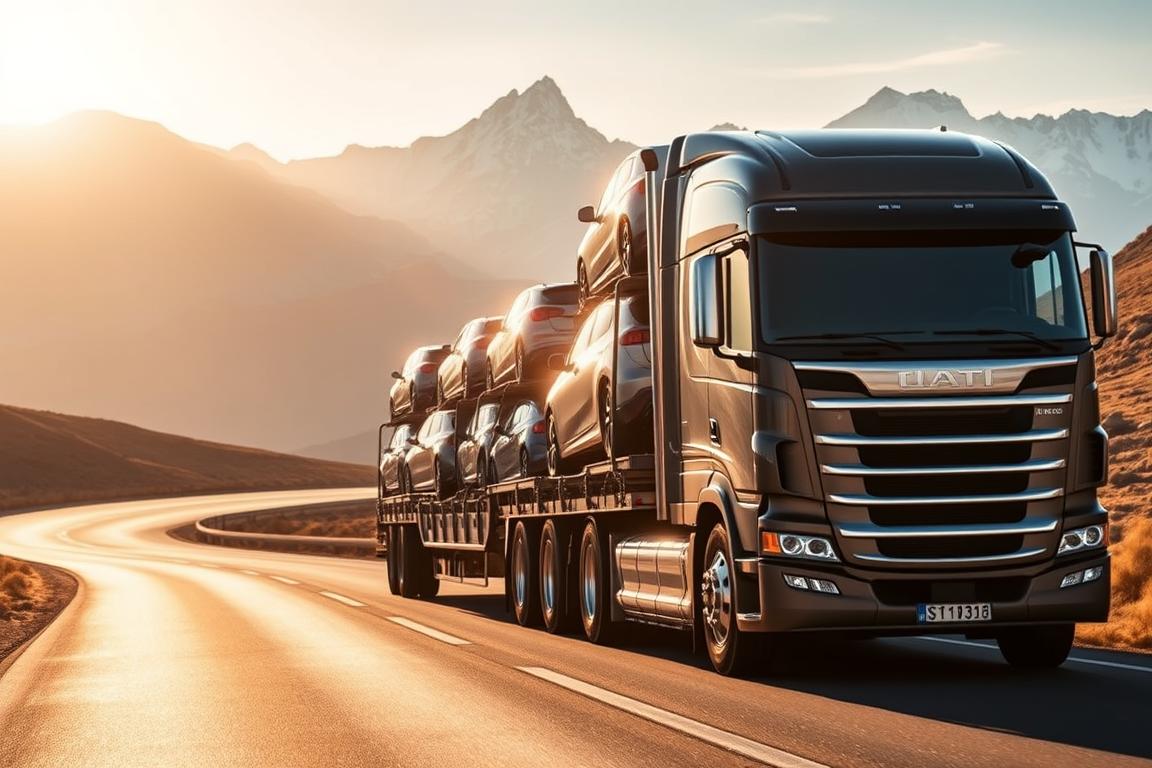
Next Step: Get a Real Quote Based on Your Exact Entities
Cost makes sense when it matches the real shipment: vehicle + lane + timing + service.