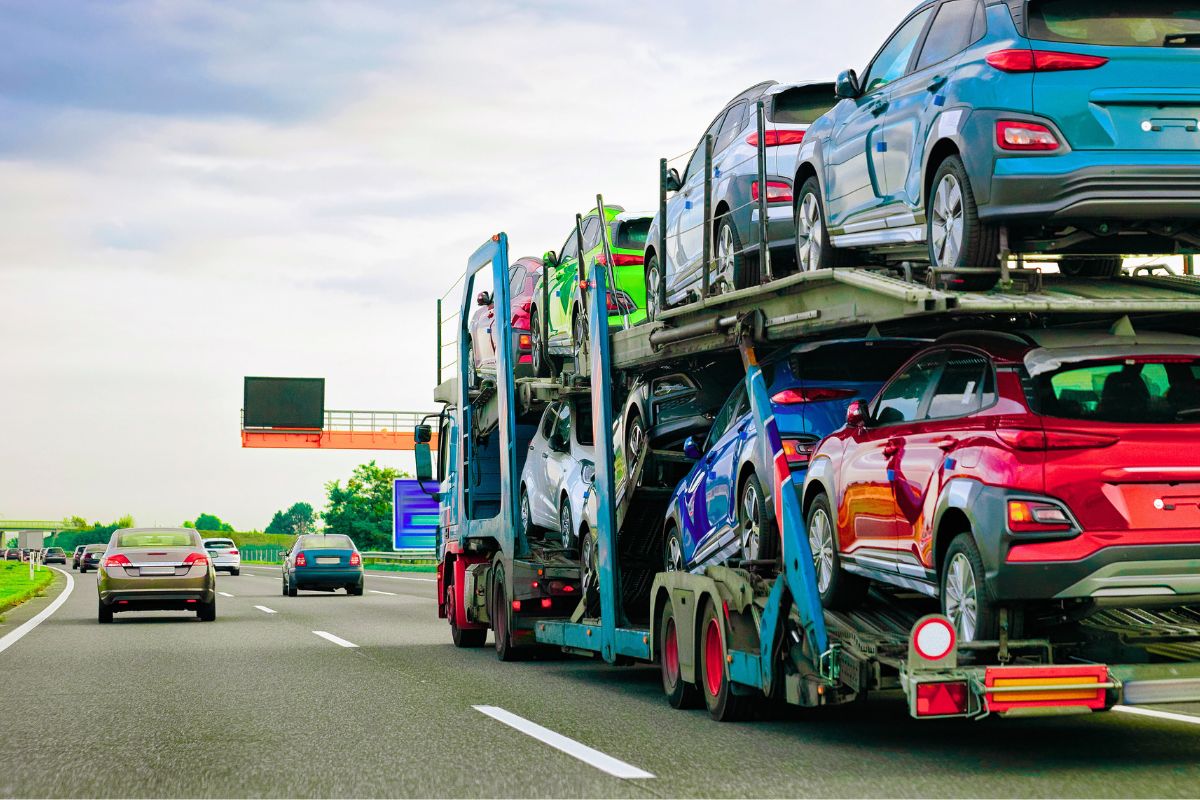

Ready to move a car and want the simplest plan? Think of this guide as a friendly road-map. We cover the main lane — including typical costs near $1,150 and transit of about 5–7 days — so you can plan with calm confidence. I’ll explain choices like open vs. enclosed transport in plain language.
You want a safe, easy way to move your vehicle without surprises. We show how to pick a service, lock a pickup window, get a clear quote, and track your car while pros handle the driving. The route often runs on major interstates, so carriers are steady and timing is reliable when you book ahead.
Planning Utah to Florida auto transport?
That’s a long, multi-state route, so it pays to understand the basics in how to transport a vehicle to another state and how cross-country pricing works.
For similar long-distance corridors, check:
Summary
Table of Contents
Utah to Florida auto transport
Major metro centers at each end make this corridor one of the busiest for vehicle shipping. That steady demand keeps carriers plentiful and scheduling simpler for you.
Why this lane is so well served
Large populations, frequent relocations, seasonal moves, and online car sales create constant volume. Companies and carriers like routes with predictable pickup and delivery zones. That means shorter deadhead miles and faster matches for your booking.
How interstates keep trucks rolling
I-15, I-80, and I-70 act like freight highways. They connect major cities and allow carriers to stick to reliable schedules. Good highway access reduces delays and makes door-to-door delivery more practical.
- Frequent truck availability: More carriers means better pricing and flexible pickup windows.
- Predictable delivery zones: Urban hubs and ports reduce empty runs and speed up dispatch.
- Service options: You can choose budget open trailers or enclosed service for specialty vehicles.
| Feature | Benefit for You | Typical Result |
|---|---|---|
| Strong interstate network (I-15, I-80, I-70) | Faster, predictable routing | Shorter transit variance, steady schedules |
| High carrier density | Competitive quotes and flexible pickup windows | Easier booking and quicker carrier matches |
| Urban delivery zones and ports | Reduced empty miles for carriers | Lower overall pricing and reliable delivery |
Quick answer: cost, timing, and what to expect today
Quick snapshot: typical prices, expected transit time, and the main things that change them.
Average cost today sits near $1,150 for a standard car on an open trailer. Most quotes fall inside clear ranges depending on your exact cities and timing.
Average price and range at a glance
Think of pricing like airfare: costs shift with season, route popularity, and how close you are to major interstate corridors.
- Average: about $1,150 for open shipping.
- Common ranges: city-pair quotes vary by route and demand.
- Booking tip: request a real-time quote for the most accurate pricing.
Typical transit window and mileage on this route
Expect 5–7 days door-to-door for many runs. Routes into South Florida can take 6–8 days because they add miles and time.
| Origin → Destination | Price Range | Transit Days | Notes |
|---|---|---|---|
| Salt Lake City → Jacksonville | $898–$1,402 | 5–7 | Typical open trailer pricing |
| Provo → Orlando | $887–$1,385 | 5–7 | Well-traveled lane |
| Orem → Miami | $917–$1,432 | 6–8 | Longer mileage into South region |
Most carriers plan roughly 500 miles per day, matching the ~2,200–2,550 miles on this corridor.
Bottom line: your final cost reflects vehicle size, operability, open vs. enclosed choice, and exact pickup/delivery spots. Book early and keep a small pickup window for better rates and faster assignment.
Car shipping cost breakdown for this route
When you get a quote, you’ll see price pieces like distance, vehicle size, and timing all fit together. Below is a quick, practical look at what moves the numbers so you can plan with confidence.
Average cost: the typical car shipping cost sits near $1,150 for a standard sedan on an open carrier. That is the baseline most carriers use for quick estimates.
City-to-city ranges show real variation:
| Route | Price Range | Transit Days |
|---|---|---|
| Salt Lake City → Jacksonville | $898–$1,402 | 5–7 |
| Provo → Orlando | $887–$1,385 | 5–7 |
| Orem → Miami | $917–$1,432 | 6–8 |
Think simply: more distance equals more fuel and driver time. Heavier or larger vehicles take more space and raise the pricing.
- Open vs enclosed: open carriers cost less; enclosed services add protection and a higher fee.
- Timing: seasonal demand and fuel prices push quotes up or down.
- Pickup flexibility: a wider pickup window often lowers the final shipping cost.
Bottom line: request a live quote with your exact dates, locations, and vehicle details for the most accurate price. That gives you a tailored number and the right services for your move.
How long car transport takes from Utah to Florida
Expect a straightforward schedule: many shipments finish within a single business week. Most runs land in about 5–7 days, which fits carriers averaging roughly 500 miles per day on long-haul routes.
Standard timing: 5-7 days; when it extends to 6-8 days
Most car moves follow the 5–7 day window. Trips that head farther south often take 6–8 days because of extra miles and heavier traffic near dense metro areas.
What adds or shaves days: miles, season, and delivery windows
If you picture a cross-country drive, small delays — weather, construction, or city congestion — can add a day. Clear roads and easy loading spots can shave time back.
- Seasonal weather: winter storms or summer hurricanes slow pace through passes and coasts.
- Pickup and delivery access: truck-friendly locations keep schedules tight; tight streets may need a nearby meeting spot.
- Flexibility helps: a wider pickup window gives carriers breathing room and often speeds assignment.
- Service choices: enclosed trailers run similarly but may take slightly longer when demand is high; expedited shipping shortens wait at higher cost.
Plan ahead: book early, allow a small buffer in your calendar, and confirm how carriers will update you. That keeps the process calm and predictable, like giving your driver a little breathing room on a road trip.
Open vs enclosed car shipping: choosing the right trailer

One easy way to decide is to picture open carriers as budget-friendly and enclosed carriers as premium care. That image helps you match the service to your needs. Below are clear points to guide your choice.
When open transport is the smart value pick
Open trailers are the standard choice for most moves. They are the most economical option and widely available across the country.
Open service works well for daily drivers, newer sedans, and SUVs when you want lower cost and steady timelines. It’s fast to schedule and usually has the broadest carrier availability.
Why enclosed can be worth it for high-value vehicles
Enclosed trailers act like first class for prized cars. They shield vehicles from weather and road debris and reduce exposure during long hauls.
Expect enclosed pricing to run roughly 50% higher due to limited space and extra handling. That premium can be worth it for classic, luxury, or low-clearance vehicles.
- Both options include carrier insurance; confirm coverage levels when you book for peace of mind.
- Open wins on value and speed; enclosed wins on protection and concierge care.
- If unsure, request quotes for both services and compare the incremental cost to your vehicle’s value.
Seven smart tips to ship without stress

A calm checklist beats last-minute stress when you’re moving a vehicle long distance. Below are practical, friend-like tips that keep your shipment smooth and predictable.
Book early and be flexible on pickup windows
Reserve as soon as you know dates. A small pickup window makes it easier for carriers to match trucks and often lowers the price.
Use a car shipping calculator for instant, apples‑to‑apples quotes
Try a shipping calculator to compare real-time options. Enter exact pickup and delivery info so the quote matches your needs.
Choose door-to-door pickup delivery near major routes
Door-to-door is fastest, but if access is tight, meet at a nearby lot. That reduces delays and keeps the schedule steady.
Prep your vehicle like a pro
Clean and document the condition with photos. Remove extra weight and personal items; keep cargo under 100 lbs. Leave about a quarter tank of fuel and bring a full set of keys.
Match transport type to your car and budget
Open trailers save money for everyday vehicles. Enclosed service gives extra protection for high‑value cars. Pick what fits the value of your vehicle and your comfort level.
Time your shipment around seasonal demand and weather
Avoid peak moves like snowbird season and college start dates when possible. Those months can raise rates and add days; scheduling on the shoulders helps.
Confirm insurance coverage and tracking access up front
Ask about carrier insurance specifics and get tracking with a booking number or portal. Share special instructions—alarms, low clearance, or inoperable status—so drivers arrive prepared.
Final tip: have a trusted adult present at pickup and delivery to sign inspections. That simple step protects you and speeds any claim process.
Factors that affect pricing and availability

A few practical variables drive most of the cost and availability you’ll see. Understanding them helps you pick dates and pickup spots that match your budget and timeline.
Distance, vehicle size, and condition
Distance matters: more miles mean more fuel and driver time. That directly raises the cost ship number on your quote.
Size and weight: full‑size trucks and large SUVs take more room on a trailer. That pushes pricing higher than compact cars.
Operability: inoperable vehicles need winches or extra loading time. Expect higher quotes when special equipment is required.
Seasonality, fuel, and market demand
When many people move, prices rise. Snowbird migrations and summer peaks tighten capacity and can increase costs.
Fuel prices flow into carrier operating costs. When fuel climbs, companies and carriers raise rates, so compare quotes near your target dates.
Market demand shifts week to week. If you can be flexible on pickup, you often catch better pricing and wider carrier choices.
Pickup and delivery accessibility (urban vs rural)
Urban addresses are usually easier and faster for loading. That lowers costs because carriers spend less time on detours.
Rural or tight locations may require a nearby meet‑up point or an extra routing fee. Booking ahead gives you more options and keeps shipping reliable.
- Quick checklist: distance, size, condition, season, fuel, demand, and access drive final rates.
- Book early: companies prioritize efficient routes—early bookings get the best carrier matches.
Seasonal insights for the Utah-Florida lane

Different times of the year bring distinct challenges for moving a car long distance. Knowing how seasons change routing and demand helps you pick better dates and avoid surprises.
Winter snow vs summer heat: what carriers plan for
Winter in the mountain passes can slow runs. Shorter daylight and snowy passes reduce daily miles and add extra safety stops.
Summer brings heat near the coast. Carriers schedule more cooling breaks and may shift start times to cooler hours.
Peak periods: snowbirds, college moves, and how to avoid surges
Peak seasons include snowbird migrations and college move-ins. Like booking a beach hotel in peak season, shipping during busy windows can raise prices and fill schedules early.
Practical moves: shift your dates a week or two and you often save money and get more available pickup days. If you must ship during a surge, give carriers a flexible pickup window. That flexibility helps secure fair prices and a reliable slot.
- Weather buffers: carriers plan extra time for storms and heat, which protects your vehicle and keeps timelines realistic.
- Urban pickup: choosing a spot near major interstates keeps delivery predictable even in busy months.
- Quick tip: call and discuss your exact dates — a short conversation often finds a better day without changing your move.
Trying to understand how Utah to Florida fits into national lanes?
Look at strong Southern demand in Texas to Florida , see how Florida connects to the West Coast in Florida to California , and compare with broader patterns in coast to coast auto transport .
Pickup and delivery: what “door-to-door” really means

A smooth pickup and delivery starts with clear access and a plan for where the driver can safely park. Door-to-door means the carrier aims to meet you at your address when it’s legal and safe for a large truck to maneuver.
If your street is tight or has low branches, the carrier will suggest a nearby meeting spot. Think of it like meeting a moving van: a wide parking lot makes loading faster and safer for everyone.
Residential access, safe loading areas, and nearby meeting spots
- Legal and safe pickup: trucks must follow local rules; carriers choose door-to-door only when permitted.
- Alternate meeting spots: if streets are narrow or HOAs restrict big rigs, the driver will pick a safe lot nearby.
- Who must be present: someone 18+ should hand over keys and sign inspection forms at pickup and delivery.
- Communicate early: share gate codes, construction notes, or access limits to avoid delays.
- Quick inspection: expect a short walkaround to note your car’s condition on the Bill of Lading.
“Clear access and a simple handoff keep your vehicle shipping calm and predictable.”
Pro tip: if you can’t be there, designate a trusted contact 18+ to act for you. We coordinate timing so you know exactly where to meet and when.
How to prepare your vehicle for transport
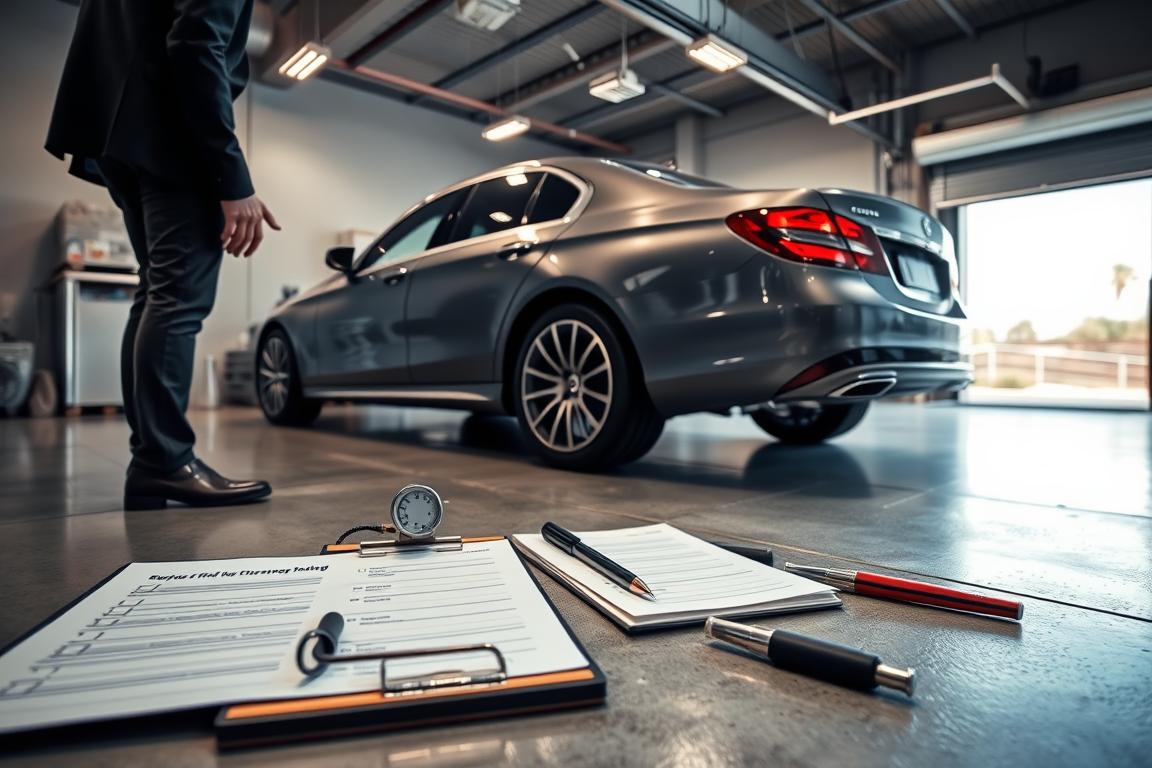
Prep work before pickup is the best way to avoid delays and protect your vehicle’s condition. A few careful steps will make loading faster and keep records clear if anything needs attention later.
Set your car up for a smooth flight: clean, document, and remove items that add weight or risk damage.
Clean, document, and reduce weight
Quick checklist:
- Give your car a quick wash so existing marks are visible for inspection.
- Photograph all sides, wheels, glass, and the interior. These photos protect you and the carrier.
- Keep personal items under 100 lbs and below the window line; carriers and insurance don’t cover loose household goods.
- Remove toll tags, parking passes, and fragile accessories that might be damaged or cause fees.
Keys, fuel level, and mechanical checks
Provide a full set of keys, including wheel lock keys. Leave about a quarter tank of fuel—enough for loading but light for safe handling.
Ensure the battery is charged, tires are inflated, and brakes work well. Tell the carrier about alarms, low clearance, or starting quirks. If the car is inoperable, disclose that when booking so the right equipment and crew are assigned.
| Prep Task | Why it matters | Tip |
|---|---|---|
| Wash & photo record | Documents condition at pickup and delivery | Take photos from four angles + interior |
| Remove items & limit weight | Protects goods; aligns with insurance rules | Keep items under 100 lbs below window line |
| Mechanical checks & keys | Speeds loading; prevents delays | Quarter tank fuel; full key set; charged battery |
“A few minutes of prep sets your car up for a smooth flight and faster pickup.”
Insurance, peace of mind, and claims basics

A short, careful inspection at pickup and delivery gives you control and peace of mind. Your vehicle is covered by the carrier’s liability and cargo policies while in transit, but limits and deductibles vary. Confirm coverage details in writing when you book.
Liability and cargo coverage essentials during transit
Your car is protected by carrier policies during shipping. Ask for policy limits and any deductibles so you know what is and isn’t covered for your route and trailer choice.
- Request coverage details in writing before pickup.
- Enclosed service often carries higher limits for higher‑value vehicles.
- Keep order numbers and the carrier contact handy for quick questions.
The Bill of Lading and final inspection checklist
Think of the Bill of Lading as your receipt and condition report. Walk the car with the driver and note any pre‑existing marks on that form.
“A clear walkaround, time‑stamped photos, and honest notes on the Bill of Lading make claims fast and fair.”
- Photograph the car at pickup and at delivery.
- Report concerns at delivery and note them before you sign.
- Reputable companies will explain how a claim works and help you file if needed.
Tracking and communication during your shipment

Tracking your car during shipment gives you calm and clarity at every step. We make updates simple so you always know what’s next.
Realtime status, booking numbers, and live agent support
After you book, you receive a unique booking number. Use it in the online portal to check real‑time status 24/7.
If you prefer a person, live chat and phone support are standard. Agents can answer timing and delivery questions, or connect you with the driver.
- Pickup confirmation: you’ll get notice when the driver is assigned.
- ETA updates: changes for weather or traffic trigger refreshed ETAs.
- Driver call: carriers usually call before arrival so you can meet at the address or a nearby safe lot.
- Multiple vehicles: ask for consolidated updates to keep everything organized.
| Update type | How you get it | Benefit |
|---|---|---|
| Booking number | Email & portal | Instant access to live status |
| Pickup confirmation | SMS or call | Know when the driver will arrive |
| ETA change | App/portal alert | Keeps your schedule predictable |
| Final delivery | Driver call + sign-off | Safe handoff and paperwork completion |
Keep your phone handy near pickup and delivery windows. Clear communication and responsive services make shipping your vehicle low stress from dispatch to delivery.
Payments, pricing transparency, and deposits

A straightforward bill and schedule remove surprises at pickup and delivery. We explain common payment choices and how price-lock or no-hidden-fee models work so you can plan with confidence.
Common payment methods and when balances are due
Most companies accept major credit and debit cards. Some also take certified checks or money orders for final balances at delivery.
Many customers pay a small deposit when booking and the remainder on delivery. Others pay in full once a carrier is assigned. Both approaches are normal; choose what fits your comfort level.
How price-lock and no-hidden-fee models work
Price-lock means the confirmed quote is what you pay unless you change dates, vehicle type, or service level.
No-hidden-fee policies list fuel, insurance, and carrier fees up front. Ask which events could change your price so you can avoid surprises.
| Payment Option | When Due | Why Customers Choose It |
|---|---|---|
| Full card payment | At booking or when carrier assigned | Simple, secures carrier quickly |
| Deposit + balance | Deposit at booking; balance on delivery | Lower upfront cost; common for buyers |
| Certified check/money order | Usually at delivery | Preferred by some carriers for final payment |
Request your payment schedule in writing and keep receipts with the Bill of Lading. Clear pricing and simple payments help you move your car without guesswork.
When to consider expedited service
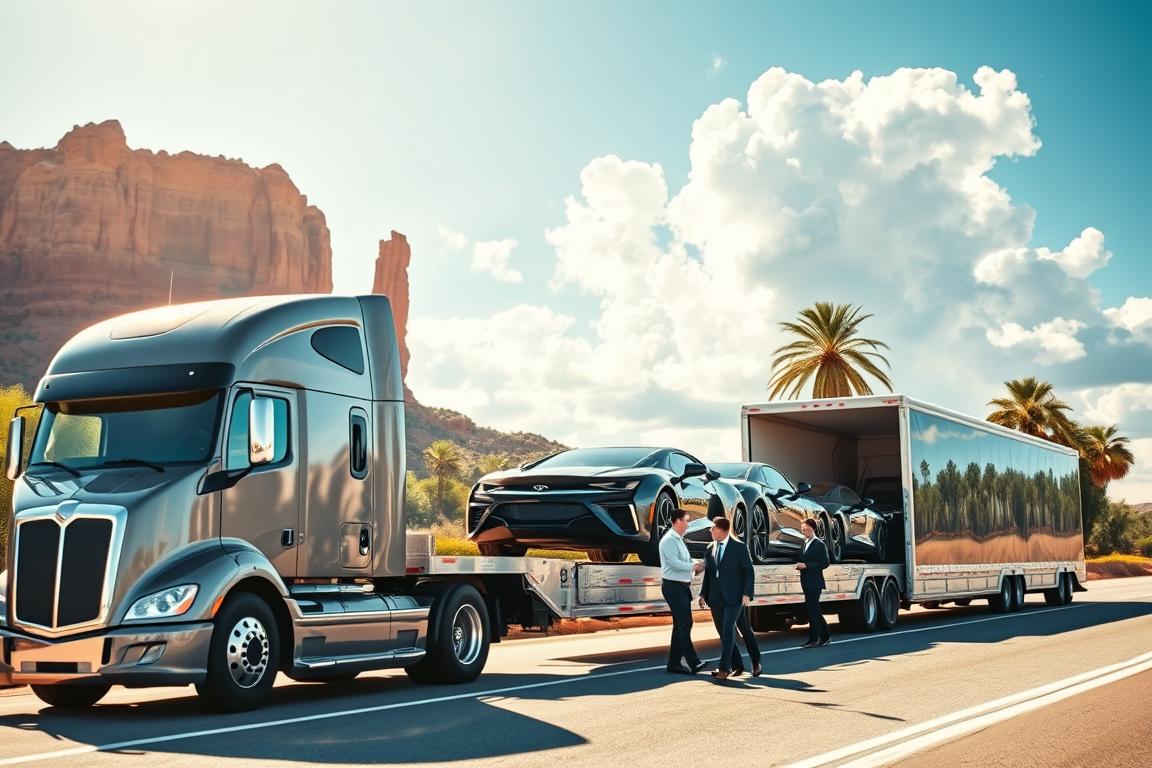
When deadlines are fixed, an expedited option can keep your schedule on track. It speeds assignment and narrows the pickup window so your plans stay steady.
Balancing speed, budget, and carrier availability
Choose expedited service when your travel, job start, or move date cannot change. You pay more for faster placement, but you buy certainty and priority.
Trade-offs: faster pickup often means higher price and depends on carrier capacity in your cities. Ask for a real‑time quote so you know exact availability.
- Good for firm dates—pickup may be narrowed to 24–48 hours.
- Expect higher fees: expedited prioritizes your car and shortens wait time.
- If budget is tight, widen the pickup window or use a major interstate pickup to lower cost without full expedite.
- Be ready at the meeting spot; quick loading helps carriers keep the faster schedule.
| Feature | Standard service | Expedited service |
|---|---|---|
| Assignment time | 2–7 days | 24–48 hours |
| Pickup window | 3–7 days | 1–2 days |
| Price impact | Lower | Higher (priority fee) |
| Best when | Flexible dates | Firm move schedule |
Final tip: tell the team about any constraints up front. Even with expedite, safety checks and inspections remain standard to protect your vehicle and give you peace of mind.
Get your instant quote with a shipping calculator
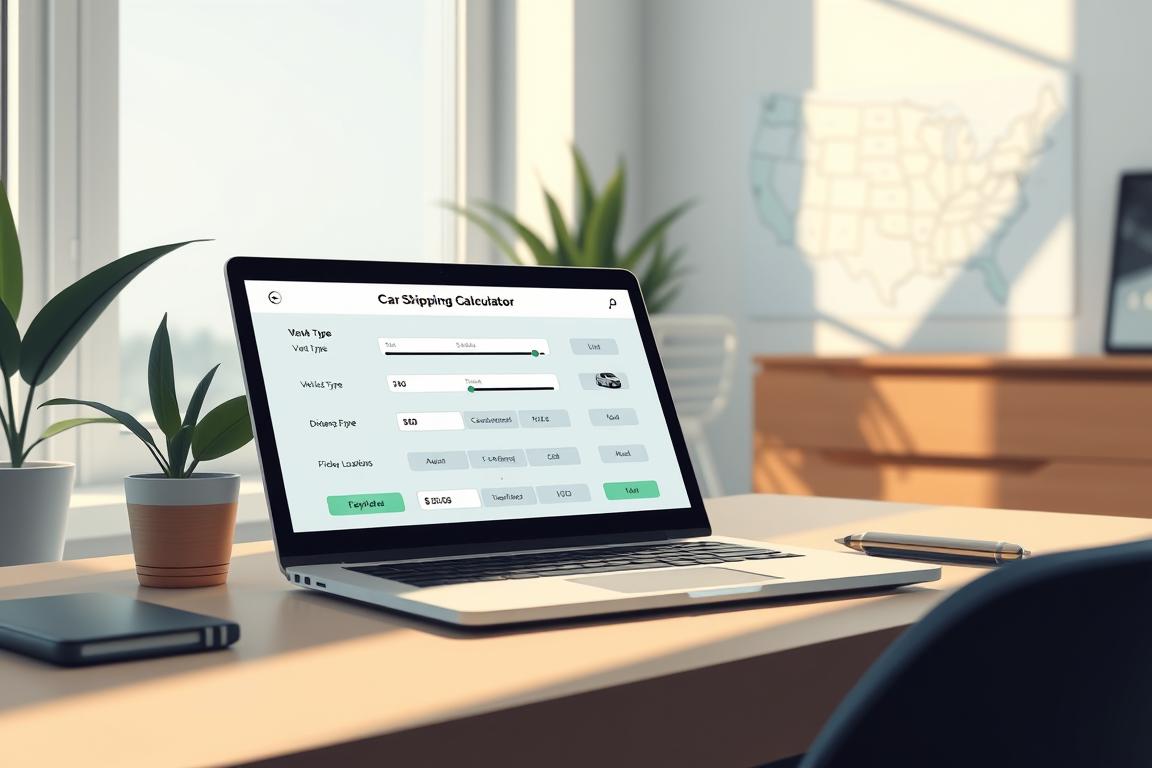
Use a quick online calculator to turn guesswork into a clear, instant price for your car move. This lets you compare realistic quotes across companies and lock a pickup window when you’re ready.
What information to enter for the most accurate price
Open the shipping calculator and fill in origin and destination ZIPs or city names. Add your vehicle year, make, and model next.
Note whether the car runs, then pick open or enclosed service. Finally, add your earliest ready date and any flexibility.
Comparing quotes and locking in your pickup window
Think of it like booking a flight: compare inclusions, not just the lowest price. Look for insurance, door‑to‑door service, and tracking access.
- Compare several quotes side-by-side.
- Ask what a low quote excludes before you book.
- Book when comfortable to lock your pickup window and get a booking number.
| Step | Why it matters | Quick tip |
|---|---|---|
| Enter ZIPs/cities | Defines route and market pricing | Use exact ZIPs for best accuracy |
| Vehicle details | Size and operability affect costs | Include year/make/model and run state |
| Choose trailer & dates | Trailer type and flexibility change price | Wider pickup windows often save money |
Final step: keep your details consistent when you book to maintain any offered price‑lock. A solid quote plus simple prep sets your shipment up for a smooth handoff and on‑time delivery.
Conclusion
With a few simple choices, shipping your vehicle can be calm, predictable, and stress-free.
Quick recap: the typical move averages about $1,150 and most trips finish in 5–7 days, with some longer runs into South Florida taking 6–8 days.
Choose open carriers for strong value on everyday cars and enclosed when your vehicle needs extra protection. Door‑to‑door delivery, real‑time tracking, and carrier insurance remove much of the worry.
Use a shipping calculator for an instant, tailored quote. Book early, stay flexible on pickup, and prep your vehicle so inspection and delivery go smoothly.
Ready to ship car? Request a quote and we’ll guide you the rest of the way with trusted nationwide service and clear communication every step of the delivery.
FAQ
What is the typical cost to ship a car from Utah to Florida today?
The average price is about $1,150 for standard door-to-door service on this lane, though the range can vary. Factors like vehicle size, carrier type (open vs. enclosed), miles, season, fuel costs and current market demand all affect the final quote. Use a reliable car shipping calculator or request live quotes from multiple carriers for the most accurate price.
How long does vehicle transport usually take on this route?
Standard transit is typically 5–7 days. It can extend to 6–8 days when there are longer pickup windows, seasonal demand, weather delays, or heavier traffic. Miles, routing on major interstates and carrier schedules influence total delivery time.
What are the major interstates carriers use between Utah and Florida?
Carriers commonly use I-15, I-80 and I-70 for long stretches, then connect to southbound interstates toward Florida. These highways help keep carriers moving efficiently and support frequent pickup and delivery windows along the route.
Should I choose open or enclosed transport for my vehicle?
Open transport is the cost-effective choice for most cars and everyday vehicles. Enclosed transport protects high-value, classic, or luxury cars from weather and road debris and is worth the extra cost if you need added protection.
What factors cause shipping prices to shift on this lane?
Price bands shift with distance, vehicle size and weight, type of carrier, pickup and delivery accessibility, seasonality, fuel prices, and demand. Urban pickups are generally easier (and sometimes cheaper) than rural access, and specialty vehicles or inoperable cars raise costs.
How can I lower my car shipping cost?
Book early, be flexible on pickup windows, choose open transport when appropriate, consolidate timing outside peak seasons, and use a shipping calculator to compare real-time prices. Selecting pickup and delivery near major routes can also reduce fees.
What should I include in a car shipping calculator to get an accurate quote?
Enter pickup and delivery ZIP codes, vehicle make/model/year, whether the vehicle is operable, desired transport type (open vs. enclosed), preferred pickup dates, and any special pickup/delivery needs. That information gives carriers the details needed to price properly.
What does “door-to-door” service actually mean?
Door-to-door means the carrier will pick up from and deliver to addresses you choose when those locations are accessible to the truck. If residential access is tight, carriers may use a nearby safe loading area or meeting spot; that can change timing and sometimes price.
How should I prepare my vehicle before pickup?
Clean the car for inspection, document existing damage with photos, keep fuel under a quarter tank, remove personal items and loose accessories, and de‑register alarms. Keep vehicle weight light—no more than about 100 lbs of personal items—so carriers can load safely.
What insurance coverage is in place during transit?
Carriers carry liability and cargo coverage for vehicles in transit. Ask for proof of carrier insurance and review limits. You should also get a Bill of Lading and complete a pre-shipment inspection to document condition for any claims.
How does the Bill of Lading work?
The Bill of Lading is the legal receipt that lists the vehicle’s condition, pickup and delivery details, and carrier terms. Inspect the car with the driver at pickup and delivery, note any existing or new damage on the form, and keep a copy for claims or insurance.
Will I get tracking and updates during the move?
Most reputable companies provide realtime status updates, booking numbers and phone or email support. Some carriers offer GPS tracking or regular driver check-ins so you always know estimated delivery windows.
When is expedited service worth considering?
Expedited service makes sense if you need faster delivery than the normal routing allows—such as a sale deadline, military move or urgent relocation. It costs more, so weigh time vs. budget and check carrier availability before booking.
What payment methods do carriers accept and when are balances due?
Common methods include credit card, bank transfer and calls-in payments. Most carriers require a small deposit to reserve a carrier, with the balance due at pickup or delivery. Ask about price‑lock policies and no‑hidden‑fee guarantees before you pay.
What seasonal trends should I plan for on this route?
Peak periods include winter and spring when snowbirds and college students move, which raises demand and prices. Summer heat and storm seasons can also affect timing. Booking outside peak windows or several weeks ahead helps avoid surges.
Can dealers and fleet managers use these services too?
Yes. Dealerships, auctions and fleet customers commonly use carriers on this lane for reliable, nationwide vehicle shipping. Many companies offer tailored services, bulk pricing and dedicated carrier networks for business needs.
What if my vehicle is inoperable—can it still be shipped?
Yes. Inoperable vehicles require special equipment and may increase costs. Be upfront about running condition when requesting quotes so carriers send the right truck and provide accurate pricing.
How do fuel prices and market demand affect my quote?
Fuel costs and carrier availability directly influence pricing. When fuel rises or capacity tightens, carriers pass costs to customers. Comparing multiple quotes and using a shipping calculator helps you find competitive rates amid market shifts.
Where can I get a fast, accurate quote right now?
Use an online car shipping calculator or request instant quotes from several trusted national carriers. Provide precise pickup and delivery ZIP codes, vehicle details and preferred dates for the best comparison and to lock in a pickup window.
Final preparation for Utah to Florida auto transport
Confirm you understand the full process in how to transport a vehicle to another state , then compare your quote with long-haul lanes like: