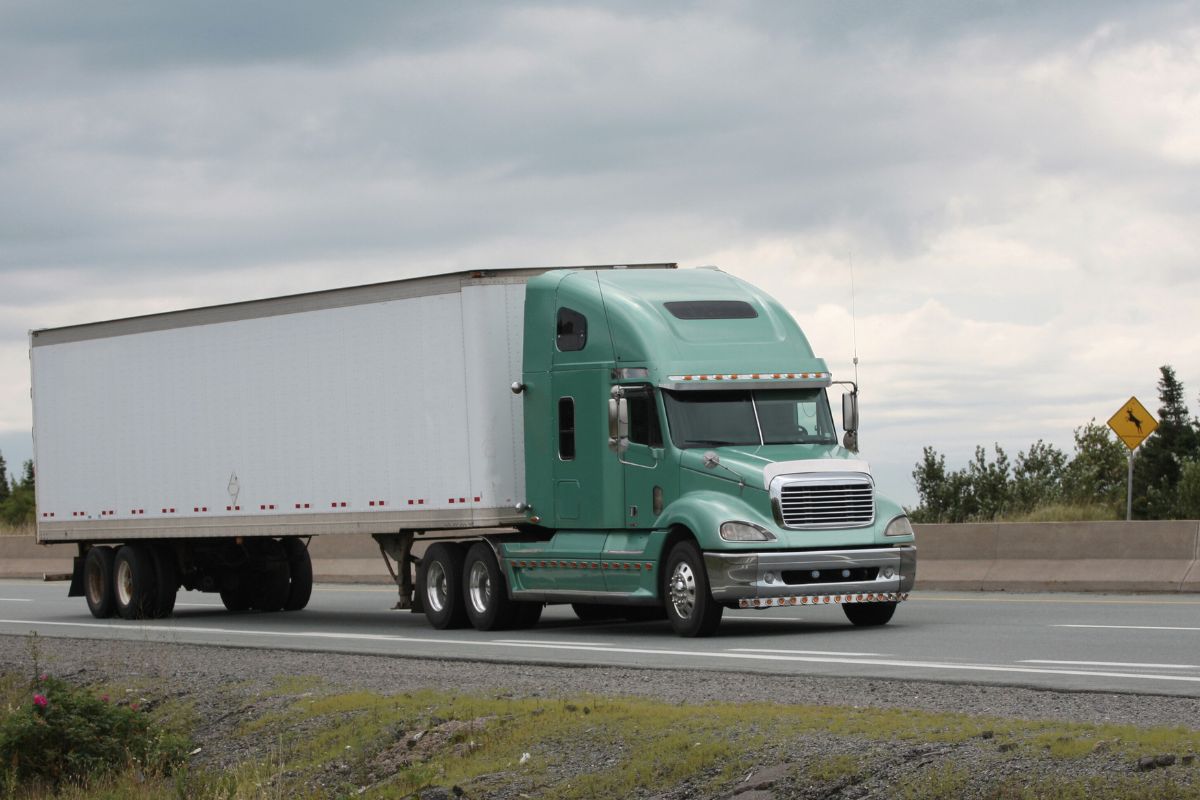

Curious about real cost and timing on the long California–Michigan lane? The route runs roughly 2,281–2,404 miles and open-carrier rates often sit between $864 and $1,482 on common city pairs.
If you search for how much to ship a car from california to michigan, you need clear numbers, not surprises. This guide gives city-to-city examples and transit estimates so you can plan with confidence.
You likely worry about hidden fees, timing, and safe handling of your vehicle. We explain what drives price swings by season and carrier, and when enclosed transport makes sense for classic or luxury cars. John 3:16 Transport LLC is a licensed broker that offers nationwide door‑to‑door service, vetted carriers, bilingual support, and all‑in pricing to protect your budget and peace of mind.
Read on and you’ll get clear benchmarks, a quick checklist, and tips for getting an honest quote that keeps customers calm and ready.
Looking for the cost to ship a car from California to Michigan?
For a better comparison, start with the general guide how to transport a vehicle to another state and our cost to ship a car from California to New York article, which covers another long-distance lane out of California.
You can also explore:
Summary
Table of Contents
Cost at a Glance: Current Prices and Transit Times for California to Michigan
Here’s a snapshot of current pricing and transit windows so you can compare quotes fast.
Distances run about 2,281–2,404 miles, and most open-carrier quotes cluster between roughly $900 and $1,500 for common city pairs. Representative bands include LA→Detroit $868–$1,355 and SD→Grand Rapids $949–$1,482. Some services list wider ranges up to $2,240 for the longest lanes.
Transit usually falls in a 5–7 day window. Some carriers plan 5–13 days to account for weather, breaks, and routing. The 500-miles-per-day rule is a useful rule of thumb for ~2,300–2,400 miles.
- Open transport is the economical option; enclosed adds protection and higher pricing.
- Vehicle size, pickup access, seasonality, fuel, and delivery speed change quotes.
- Expedited dates or guaranteed windows speed delivery but add premiums.
Tip: Choose flexible dates and metro-to-metro routing for the best value. With John 3:16 Transport LLC you’ll get an all-in, no-hidden-fee quote and real-time transit updates from pickup to delivery.
how much to ship a car from california to michigan: What Most Buyers Actually Pay
Most buyers find a clear, mid-range quote is possible when they pick common metro-to-metro routes.
Real-world data shows the route sits near 2,281–2,404 miles. Example bands include LA→Detroit $868–$1,355 and SD→Grand Rapids $949–$1,482.
For standard sedans on open transport, most quotes fall in the high hundreds to low $1,000s. Larger SUVs and trucks raise the figure because of weight and space.
- Metro pick-up/delivery: tighter prices and better carrier availability.
- Rural or restricted access: expect higher quotes and potential surcharges.
- Enclosed or expedited service: moves ranges toward $1,397–$2,240 on some lanes.
John 3:16 Transport LLC focuses on honest, all-in pricing. We confirm vehicle details and access up front so you see the final cost before booking.
“We provide binding-style figures when possible, so customers avoid surprise add-ons.”
Open vs. Enclosed Transport: Price, Protection, and When Each Makes Sense

Choosing between open and enclosed trailers affects price, transit risk, and final condition of your vehicle. For long hauls, the trailer type often explains most of the price gap and the level of protection your vehicle receives.
Average costs by carrier type over long distances
General 2025 data shows open carriers average about $1,350 on routes over 2,500 miles, while enclosed runs near $1,830. On the CA→MI lane, enclosed typically costs 30–50% more because enclosed trailers are rarer and demand is higher.
When enclosed is worth it for luxury, classic, and low-clearance vehicles
Enclosed transport makes sense when the vehicle has high value or fragile finishes. It shields against weather, road debris, and salt exposure that can harm paint and undercarriage.
- Open transport gives the best value for daily sedans, crossovers, and trucks when you pick vetted, insured carriers.
- Enclosed protection is ideal for exotic, classic, or lowered vehicles and for winter moves where road salt is a concern.
- We offer both options nationwide and will show you a side-by-side quote so you can weigh price versus peace of mind.
Seven Hidden Fees to Watch Out For on the CA → MI Route
A clean, honest quote matters — and spotting common add-ons keeps your budget steady. Below are the frequent surcharges that can change final costs and timing. We flag these so you get a clear, all-in price before you book.
Residential access and “hard-to-reach” surcharges
Residential streets, low trees, or HOA rules can force carriers to meet at a lot. That may add an access fee. Ask if door pickup is included in your quote.
Seasonal and weather-driven premiums
Winter storms, limited daylight, and chain requirements may trigger seasonal surcharges. These factors often affect pricing on long west‑to‑midwest lanes.
Expedited pickup windows and guaranteed dates
Guaranteed pickup or tight windows reduce carrier flexibility. Expect a premium when you need a firm date or faster shipping.
Inoperable vehicle and winch fees
If the vehicle won’t roll or steer, carriers charge for winching and extra handling time. Disclose operability when you request a quote.
Oversize, add-ons, and roof-rack dimension surprises
Lift kits, wide tires, or roof racks can change your size class. That pushes the price into a higher bracket for transport space and weight.
Top-load and enclosed “upgrade” upsells
Some brokers promote top-load or enclosed upgrades late in booking. Confirm you requested the upgrade before accepting added charges.
Insurance gaps and deductible gotchas
Read the cargo policy closely. Personal items over ~100 lbs are often excluded. Verify protection limits and deductibles in writing.
“We practice honest, all-in pricing with no hidden fees.”
- Ask whether access, fuel, or winter equipment fees are included.
- We identify access constraints and seasonal risks up front so your final bill matches expectations.
- Get every included service in writing before pickup.
The Big Cost Drivers: Distance, Vehicle Type, Timing, and Fuel
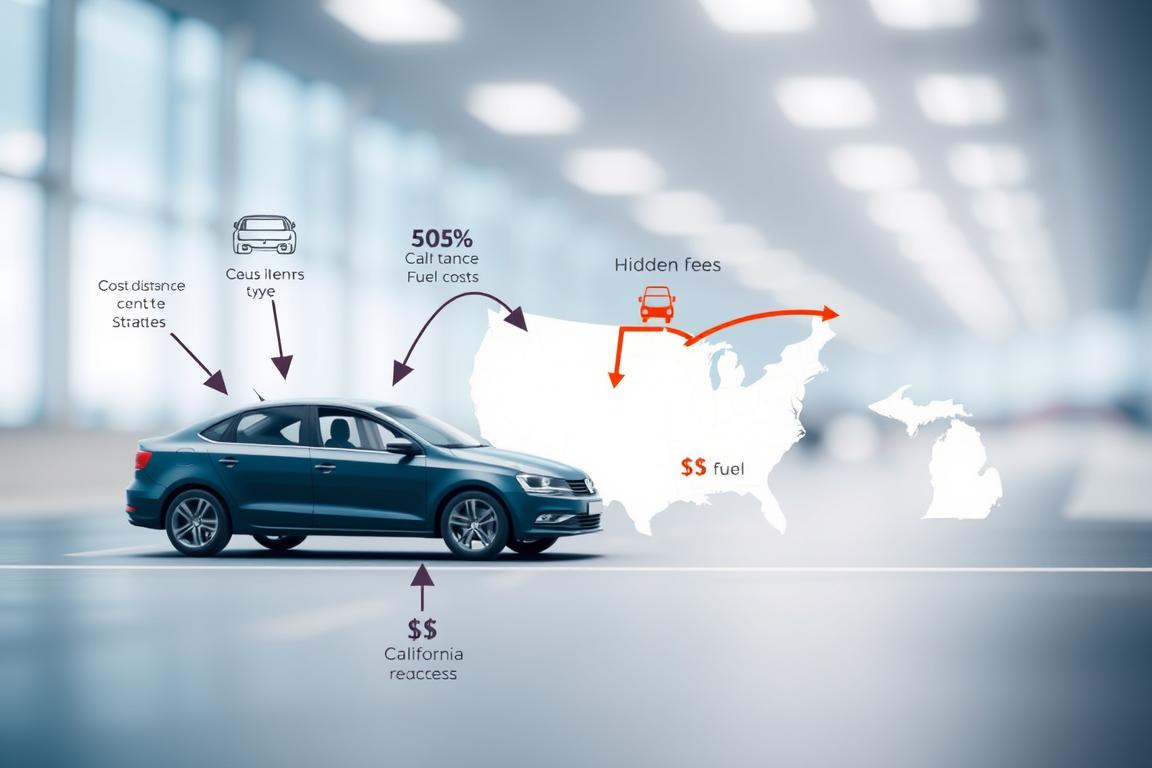
Long-distance moves pack several pricing levers; learning each one makes your final quote predictable.
Distance sets the baseline. The CA→MI lane runs about 2,281–2,404 miles, so total cost rises but per-mile rates can be efficient on long hauls.
Vehicle size and type matter. Larger or heavier vehicles use more trailer space and can push you into a higher class. Choose open transport for everyday cars to save, or enclosed for high-value vehicles.
Timing and fuel drive fluctuations. Winter weather, holiday demand, and fuel spikes quickly change costs and transit windows. The 500 miles per day rule gives a useful time estimate for planning.
- Pickup access: metro meeting points keep charges lower.
- Schedule flexibility: wider windows let us match the best truck.
- Driver availability: more carriers on busy lanes tightens pricing.
| Factor | Typical Impact | Practical Tip |
|---|---|---|
| Distance (miles) | High baseline cost; better per-mile value | Book flexible dates; prefer metro terminals |
| Vehicle type | Higher for large trucks/SUVs | Disclose dimensions and mods up front |
| Fuel & timing | Cost swings with fuel and season | Avoid peak holidays; request wider windows |
Tip: We guide you through each factor so you get a clear, all‑in price that balances protection, speed, and value.
Route Realities: Why California ↔ Michigan Pricing Is So Variable

Long cross‑country moves are not just about miles. Local rules, pickup access, and weekly carrier flows can alter pricing more than distance alone. Choose metro meeting points when possible. They attract more carriers and give you tighter, more predictable pricing bands.
Metro vs. rural pickup and delivery dynamics
Metro-to-metro lanes (for example LA, SF Bay, San Diego, Sacramento, San Jose to Detroit, Grand Rapids, Warren, Sterling Heights, Ann Arbor) show the most consistent bands: roughly $864–$1,482 on open runs.
Rural origins or destinations reduce truck availability, add deadhead miles, and often require meeting in a large lot. That raises costs and can extend ETAs. Some towns prohibit large vehicles on neighborhood streets; a nearby shopping center often solves the problem.
Carrier availability on West Coast–Midwest lanes
Availability shifts week to week with dealer auctions, relocations, and seasonal flows. Weather across the Rockies and Plains can reroute drivers and tighten capacity.
- More carriers in metro corridors = stronger competition and steadier pricing.
- Fewer trucks for rural areas = higher quotes and possible access fees.
- Flexible windows let us match your vehicle to trucks already passing through, lowering costs.
“We’ll be transparent if your location is hard to reach and help you choose a smarter meeting point to avoid access surcharges.”
| Situation | Typical Impact | Practical Move |
|---|---|---|
| Metro-to-metro pickup | Tighter pricing; faster confirmation | Request terminal pickup or nearby lot |
| Rural origin/destination | Higher costs; longer ETAs | Plan a metro meeting point; expect access fees |
| Seasonal flow & weather | Variable availability; price swings | Book earlier or keep flexible windows |
Tip: We monitor lane availability daily. Tell us your area and dates, and we’ll advise whether to hold, book, or pivot for the best pricing and timing.
City-to-City Examples to Benchmark Your Quote
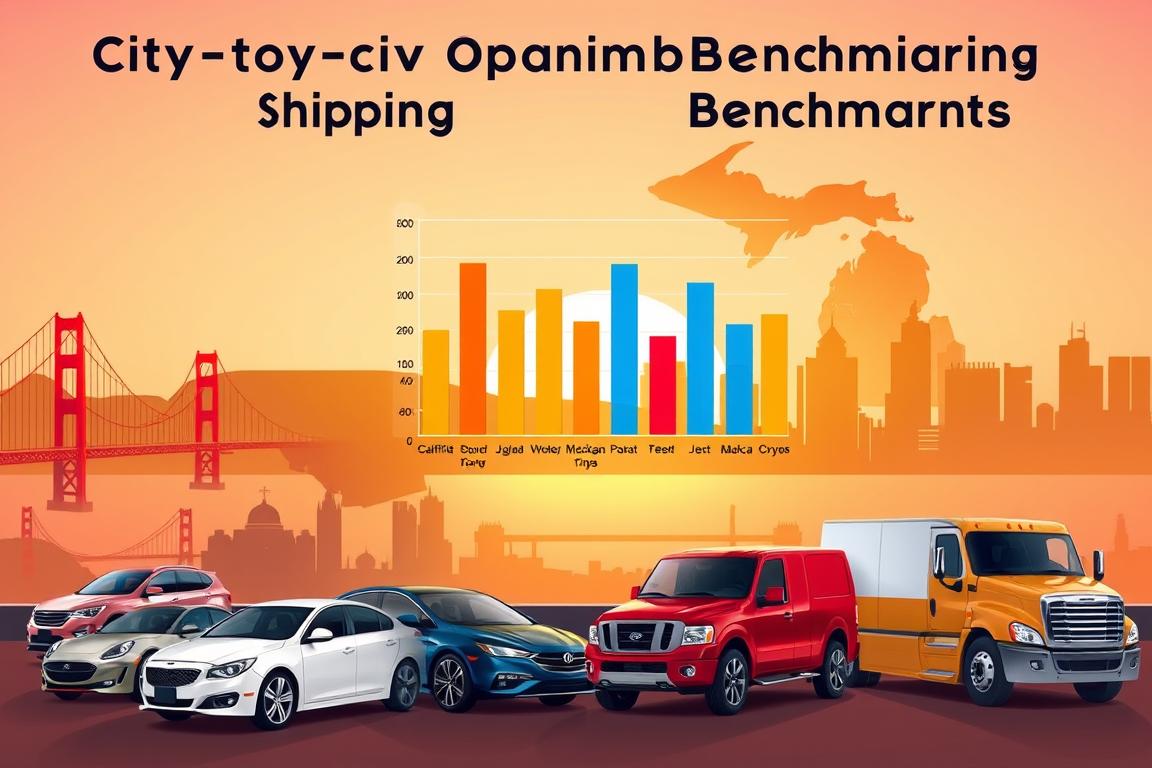
Sample lanes and clear numbers help you judge whether a quoted price matches market reality. Below are representative routes, typical open-carrier ranges, and expected transit windows so you can compare quotes quickly.
Representative city pairs and ranges
- Los Angeles → Detroit: about 2,281 miles; typical open carrier quotes often run $868–$1,355 with a 5–7 day ETA.
- San Diego → Grand Rapids: roughly 2,235 miles; expect $949–$1,482 and a 5–7 day transit when weather cooperates.
- San Francisco → Warren: around 2,404 miles; quotes commonly land $876–$1,369 with a standard 5–7 day delivery window.
- Sacramento → Sterling Heights: about 2,324 miles; look for $864–$1,349 and five to seven days in transit on average.
- San Jose → Ann Arbor: roughly 2,388 miles; many quotes cluster around $885–$1,382 with a typical 5–7 day timeline.
Wondering if your California to Michigan quote is in the right range?
Compare your price with what carriers charge on similar long routes like California to New York or California to Texas , and look at the reverse lane in Ohio to California auto transport to understand lane demand.
Note: Broader estimates up to $1,397–$2,240 and 5–13 days reflect enclosed transport, guaranteed dates, or seasonal shifts.
| Route | Miles | Open-Carrier Range | Typical Transit |
|---|---|---|---|
| Los Angeles → Detroit | 2,281 | $868–$1,355 | 5–7 days |
| San Diego → Grand Rapids | 2,235 | $949–$1,482 | 5–7 days |
| San Francisco → Warren | 2,404 | $876–$1,369 | 5–7 days |
| Sacramento → Sterling Heights | 2,324 | $864–$1,349 | 5–7 days |
| San Jose → Ann Arbor | 2,388 | $885–$1,382 | 5–7 days |
Your vehicle profile and pickup/delivery access can move any quote inside or beyond these bands. If you can meet at metro terminals at both ends, you usually see better prices and faster assignment.
We’ll compare current lane trends to these benchmarks and deliver an all-in quote that reflects your exact dates, vehicle, and locations.
Seasonality in 2025: When Prices Spike and When to Book

The calendar matters: certain months can raise rates or give you a real window for savings. We track lane demand so you know when booking early pays off and when flexibility wins lower pricing.
Winter delays vs. post-holiday discounts
December needs planning. Shorter daylight and storms slow transit and tighten schedules.
Book three to four weeks ahead in December to secure pickup. January sees migration and higher demand. February often has some of the lowest costs as drivers return and demand softens.
Spring backlogs on northbound lanes
April and May bring strong northbound moves. That can create backlogs and nudge pricing upward on CA→MI lanes.
Reserve earlier for late-spring dates and keep a flexible window of a few days.
Summer peak demand and competitive pricing
Summer is busy but many carriers run extra trucks. High availability often keeps open-carrier quotes competitive despite peak volumes.
Fall shoulder-season sweet spots
October and November usually offer the best balance of availability and friendlier pricing. This is a smart time if your dates are flexible.
“We monitor lane trends and will recommend the best booking window for your dates and budget.”
| Season | Typical Impact | Booking Tip | When Rates Look Best |
|---|---|---|---|
| Winter (Dec–Jan) | Higher delays; weather premiums | Book 3–4 weeks ahead | February |
| Spring (Apr–May) | Northbound backlogs; rising demand | Reserve earlier; allow flex days | Early March |
| Summer (Jun–Aug) | Peak volume; high availability | Compare open vs. enclosed options | Mid‑summer competitive quotes |
| Fall (Oct–Nov) | Lower demand; steady availability | Book for best rates; flexible dates | Oct–Nov shoulder months |
Practical note: Consider enclosed transport timing carefully in winter for high-value vehicles; capacity tightens and early booking helps. If weather threatens a route, we’ll proactively adjust pickup timing or routing so your vehicle and timeline stay protected.
Timeline Planning: Standard vs. Expedited vs. Flexible Windows
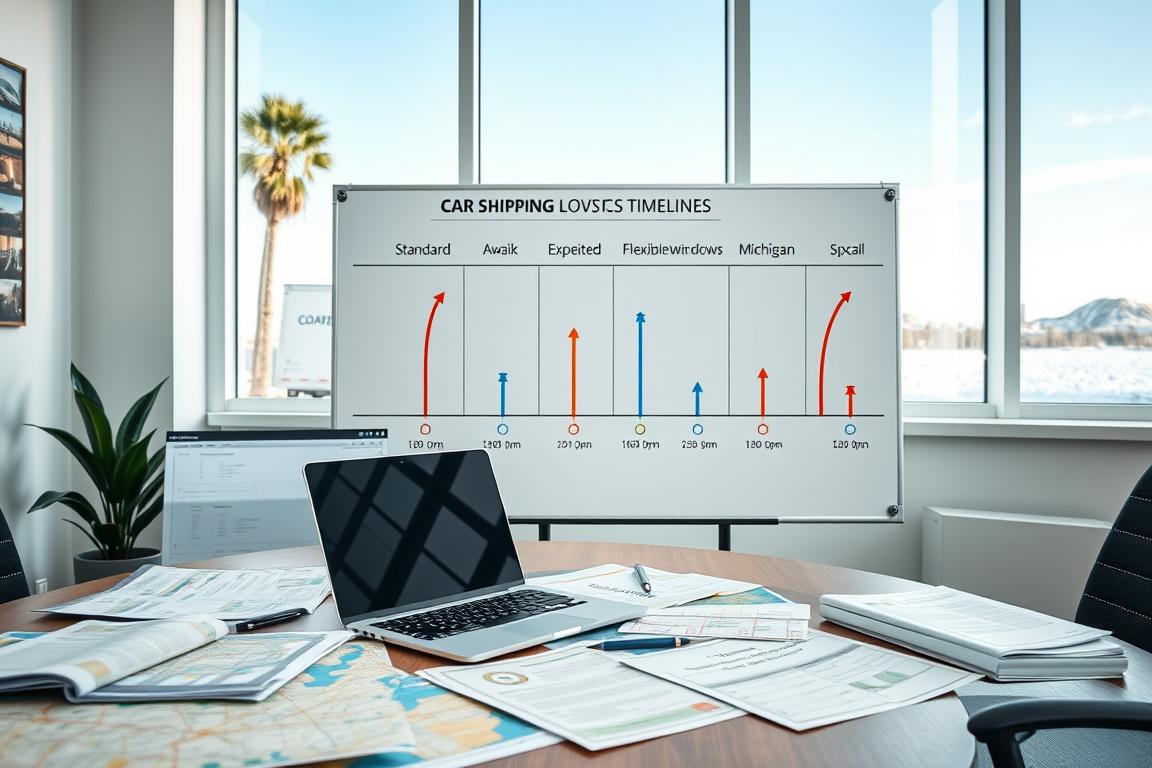
Picking the right timing strategy makes shipping simple and predictable. For the CA → MI lane (about 2,281–2,404 miles), carriers typically average ~500 miles per day. That baseline helps you pick between standard, expedited, or flexible options.
What 500 miles per day looks like on this lane
At roughly 500 miles per day, a 2,400-mile run usually needs about five days of drive time. Add rest breaks, weather, and weekends and expect a practical transit window of 5–7 days for standard service.
How flexibility can save you money
Standard scheduling fits most customers. It balances cost and predictability, targeting that 5–7 day delivery window without a big premium.
Expedited shipping prioritizes your pickup and tightens delivery windows. It works well when you need a firm arrival date, but it carries a noticeable premium.
Flexible windows let us place your vehicle on the first best-fit truck. That often reduces the rate because carriers avoid deadhead miles and better fill trailers.
- Decide whether delivery date is fixed or flexible.
- Choose standard for balanced cost and reliable transit.
- Pick expedited if you need a guaranteed ETA and can accept higher fees.
- Opt for flexibility to lower price and increase carrier options.
Communication and updates: we outline realistic ETAs, confirm pickup details, and provide real-time tracking as your vehicle moves. Weekends, weather, and mandated rest breaks can change timing, so we build buffers when you have a deadline.
“We map your options on a simple timeline so you can weigh speed against cost with confidence.”
Vehicle Profiles: Sedans, SUVs, Trucks, and Specialty Cars

Sedans, SUVs, trucks, and specialty rides each need different handling and pricing. We move daily drivers through classics and exotics, and we recommend open or enclosed options based on value, clearance, and condition.
Sedans and compacts usually sit at the low end of open‑carrier ranges on long west‑to‑midwest lanes.
Crossovers and SUVs use more space and add weight. That raises typical quotes. Full‑size trucks and lifted rigs may need specific trailer positions or oversize adjustments.
Classic, exotic, and low‑clearance vehicles often merit enclosed transport for finish and underbody protection. In winter or on salted roads, enclosed protection can preserve resale value.
- If ground clearance is limited, we’ll book a carrier with low‑angle ramps or liftgate.
- Roof racks, wide tires, and body kits change dimensions—tell us before booking.
- High‑value vehicles may need enclosed service and special insurance notes.
| Vehicle type | Typical impact | Recommendation |
|---|---|---|
| Sedan / compact | Lowest open rates | Open carrier; metro pickup |
| SUV / crossover | Higher space/weight costs | Confirm dimensions; consider enclosed for value |
| Truck / lifted | Oversize or special positions | Reserve specific trailer slots |
| Classic / exotic | Higher premium for protection | Enclosed transport; extra insurance review |
“We review your vehicle profile and route so cost, protection, and timing align with your goals.”
Insurance and Protection: What’s Included and What to Verify

Verify coverage limits and inspection procedures so your shipment arrives as expected. We coordinate fully insured, vetted carriers and explain what each policy covers before pickup.
Basic liability vs. cargo insurance
Most carriers include basic liability and cargo coverage for your vehicle. Basic liability is limited and differs from cargo insurance that protects the car during transit.
Ask for written limits and deductibles. If your vehicle’s value exceeds the carrier limit, consider supplemental coverage through your company or a third‑party policy.
Documentation and inspection best practices
Document everything. Take time-stamped photos at pickup and at delivery. Remove personal items—policies usually exclude them. Keep fuel at a quarter to half tank for safe loading.
- Have someone 18+ present to sign inspection forms.
- Note aftermarket parts (racks, spoilers) on the bill of lading.
- If enclosed, ask about soft straps and liftgate use for extra protection.
“We work with vetted carriers that maintain active insurance and clean equipment, and we’ll guide you through any claim if needed.”
How to Prepare Your Car and Your Pickup/Delivery Locations
A few simple steps before pickup make the whole shipping process faster, safer, and less costly.
Pre-load checklist and minimizing access fees
Do these items the day before pickup:
- Clean and photograph all sides of the vehicle for the inspection report.
- Remove personal items; carriers usually exclude items over ~100 lbs.
- Check tire pressure, battery, and fluids so the vehicle rolls and brakes safely.
- Keep fuel at about a quarter to half tank for safe loading.
- Note low clearance or aftermarket gear so we assign the right trailer.
Door-to-door realities: When a nearby lot is smarter
Many cities restrict large trucks on narrow, tree-lined streets. Drivers need room to maneuver and turn.
Meeting at a nearby large lot often avoids access surcharges. It speeds loading and protects your neighborhood from backing and blocking traffic.
“We’ll confirm the pickup plan with the driver and keep you updated so the handoff is quick and stress-free.”
Final tips: Have keys, ID, and registration ready and an adult present to sign the bill of lading at pickup and delivery. Clear the area on delivery day and inspect the vehicle before signing off.
Transparent, All-In Pricing with John 3:16 Transport LLC
Our family team focuses on honest quotes and steady communication from pickup through delivery. We run a licensed broker business in Macon, GA that cares for your schedule and peace of mind.
Family-owned, licensed broker based in Macon, GA
John 3:16 Transport LLC is a Christian-led, family operation. We treat every vehicle like our own and honor commitments with integrity.
Nationwide door-to-door with vetted, fully insured carriers
- We coordinate nationwide auto transport and handle both open and enclosed options.
- Carriers are fully insured and pre-vetted for safe, reliable handling of your vehicle.
- Door-to-door moves are standard; terminal pickup is available on request.
Real-time updates, bilingual support, and 5-star reviews
Communication matters. You get real-time tracking, bilingual support, and a clear breakdown of included services.
“We believe in honest, all-in pricing — no hidden fees and no last-minute add-ons.”
Ready for a pressure-free quote? Call (478) 200-5888 or email john316transportllc@gmail.com. Our company will guide you through the options and deliver a clear, written quote that matches the plan.
Conclusion
Let’s summarize the essentials so you can book with confidence and avoid surprise fees.
Typical transit runs five to seven days, with wider windows in bad weather. Most open-car rates sit in the high hundreds or low thousands. Your final cost reflects distance, vehicle type, carrier choice, access, fuel, and timing. Enclosed transport adds protection for luxury or low-clearance cars but raises the price.
We coordinate safe, reliable transport with vetted carriers and real-time updates. Get a transparent, all-in quote tailored for your vehicle and schedule.
Call (478) 200-5888 or email john316transportllc@gmail.com for clear pricing and 5‑star, stress-free service.
FAQ
What affects the price for hauling a vehicle between the West Coast and the Midwest?
Key drivers are distance, vehicle size and weight, pickup and delivery locations (metro vs. rural), seasonality, carrier availability on the lane, and protection level (open vs. enclosed). Fuel surcharges, expedited delivery requests, and special handling for inoperable or oversized vehicles also raise the final price.
What typical price range should I expect and why do quotes vary so much?
Quotes vary because carriers price by route demand, available backhaul capacity, and timing. You’ll often see a broad band rather than a single number. Faster pickup windows, enclosed trailers, and residential pickups generally cost more. Comparing multiple live quotes gives the most accurate picture.
How long will transit usually take along this coast-to-Midwest corridor?
Transit typically ranges from 4 to 10 days, depending on exact origin and destination, carrier routing, and whether the shipment is expedited. Weather, holiday traffic, and driver hours-of-service rules can lengthen transit times.
When is enclosed transport worth the extra cost?
Choose enclosed when shipping high-value, classic, exotic, or low-clearance vehicles that need extra protection from road debris and weather. Enclosed service offers greater security and peace of mind but costs significantly more than open carrier service.
What hidden fees should I watch for on this route?
Watch for residential or limited-access surcharges, seasonal premiums, expedited pickup or guaranteed-date fees, winch and inoperable-vehicle charges, oversize or roof-rack fees, top-load or enclosed upgrades, and gaps in carrier insurance with unexpected deductibles.
Can residential pickup or delivery add extra charges?
Yes. Tight streets, cul-de-sacs, steep drives, or gated communities can trigger access fees. Using a nearby commercial lot or terminal can avoid those surcharges and often speeds pickup.
How does seasonality affect pricing on this lane?
Winter weather and holiday surges raise costs on northbound and cross-country lanes. Spring and summer see peak demand from relocations and snowbirds, which can increase rates. Booking early for peak months helps secure better pricing.
What are realistic city-to-city benchmarks I can use when comparing quotes?
Compare quotes using specific city pairs—Los Angeles to Detroit, San Diego to Grand Rapids, San Francisco to Warren, Sacramento to Sterling Heights, and San Jose to Ann Arbor. Those examples reflect different distances and market demand and help you gauge fair pricing.
How much does vehicle type change the final price?
Larger trucks, vans, and SUVs cost more than compact sedans because they take more space and add weight. Specialty cars requiring ramps, lifts, or extra handling will also increase the quote.
What insurance should I verify before booking?
Confirm the carrier’s cargo insurance limits and whether the broker provides additional coverage. Ask about liability vs. cargo policies, deductibles, and the claims process. Document vehicle condition with dated photos at pickup and delivery.
What prep should I do before pickup to avoid fees and delays?
Remove personal items, disable alarms, leave minimal fuel (quarter tank recommended), and ensure the vehicle runs and can be driven onto the trailer if possible. If pickup or delivery access is tight, arrange a nearby commercial lot to prevent access surcharges.
Can flexibility in pickup and delivery windows save money?
Yes. Flexible dates allow carriers to consolidate loads and use available capacity, which typically lowers cost compared with guaranteed-date or expedited services that require dedicated routing.
How do expedited or guaranteed dates change pricing?
Expedited and guaranteed-date services cost more because carriers prioritize those shipments and may rearrange loads or use faster routing. Expect a premium for guaranteed timing and same-week pickups.
How should I evaluate quotes from brokers and carriers?
Check licensing and insurance, read recent customer reviews, confirm pickup and delivery terms, and compare all fees line-by-line. A trustworthy broker will provide door-to-door options, vetted carriers, and clear tracking or real-time updates.
Are there fuel surcharges or other variable costs that appear after booking?
Many carriers add fuel surcharges tied to diesel prices and may adjust those mid-shipment. Confirm the carrier’s surcharge policy and any potential seasonal or demand-based adjustments before signing the contract.
What should businesses—dealerships or auctions—look for when shipping multiple vehicles?
Businesses should negotiate volume rates, request dedicated equipment for fleet moves, and verify carrier capacity on the West Coast–Midwest lane. Scheduled weekly pickups and standing contracts often reduce per-unit pricing and ensure availability.
Who can I call for a transparent, all‑in quote and ongoing support?
Work with a licensed, reputable broker or carrier that offers nationwide door-to-door service, vetted and insured carriers, real-time updates, and clear billing. Ask for references and a written, all-inclusive quote that lists surcharges and insurance details.
Confirm your California to Michigan car shipping budget
Revisit the fundamentals in how to transport a vehicle to another state , then double-check prices using: