
How to ship a car? To ship a car, get a quote, book a carrier, and complete pickup and delivery inspections. It’s simpler than it sounds—just focus on the right information (vehicle details, locations, timing, and service type) so you can book confidently, avoid surprises, and protect your car from pickup to delivery. For example, shipping a 2018 Honda Civic from Atlanta to Miami on an open carrier is usually the most budget-friendly, while shipping a 1967 Mustang on an enclosed trailer adds extra protection. If you can be flexible with your pickup window (like “any day next week”), you’ll often get faster availability and better pricing than requesting a same-day pickup.
Summary
Table of Contents
Quick Navigation
- Get a Quote
- Services Hub
- Cost Guide
- Time Guide
- Bill of Lading Guide
- Insurance & Claims
- Tracking Your Shipment
- FAQ
- Reviews
- Contact
Step 1: Get a Quote and Choose the Right Service
The first step is deciding what you’re shipping, where it’s going, and what level of protection you need.
Read more
What you’ll submit for an accurate quote
- Vehicle details: year, make, model, condition (operable or inoperable)
- Route: pickup ZIP + delivery ZIP (or city/state)
- Timing: your ideal date range (a window is better than one exact day)
- Service preference: open vs enclosed, door-to-door vs terminal-to-terminal
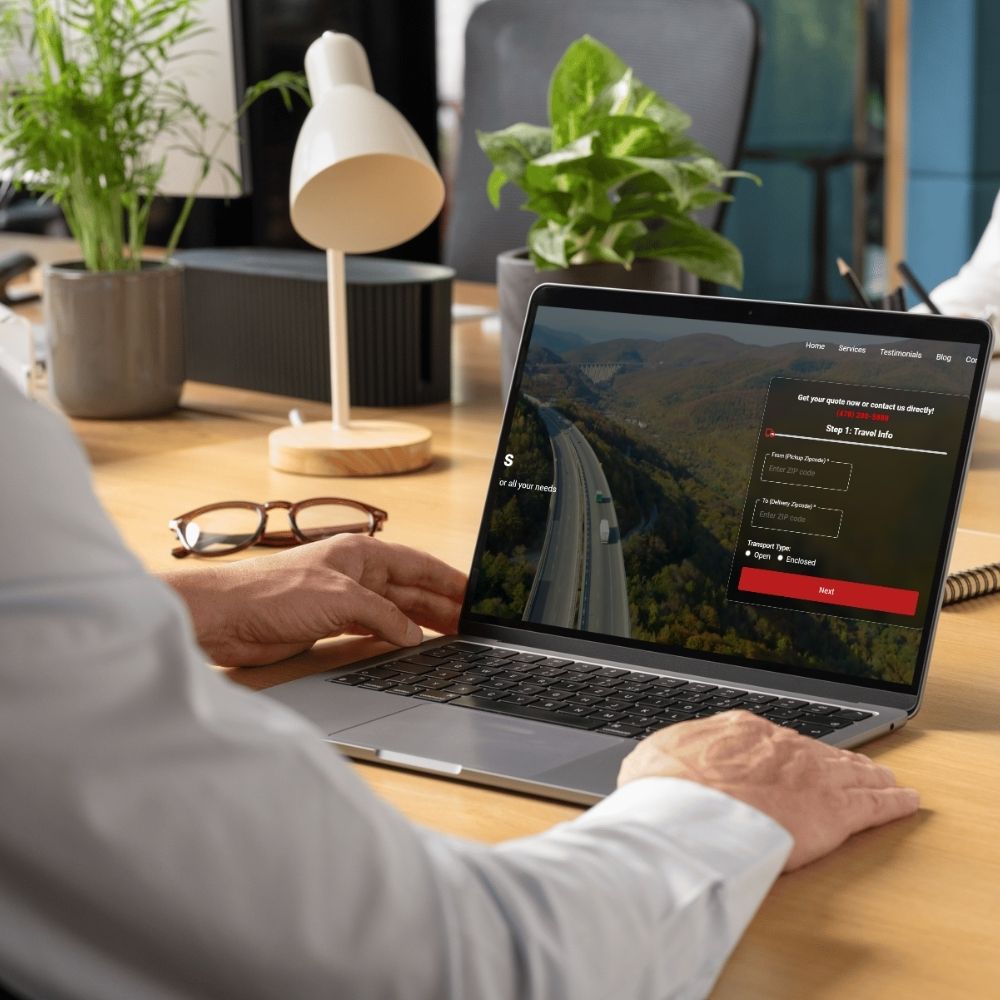
Start here: Car Shipping Quotes
Choose your transport type (the most important decision)
- Open transport: best value for most vehicles, most available option
- Enclosed transport: added protection for luxury, classic, exotic, or delicate vehicles
Explore options here: Car Transport Services
Understand what drives the price
Price is mainly affected by:
- Distance and route demand (popular lanes are easier)
- Vehicle size/weight (SUVs and trucks cost more than sedans)
- Open vs enclosed
- Operable vs inoperable (may require special loading)
- Seasonality and pickup speed
Use the full breakdown here: Car Shipping Cost Guide
Step 2: Book Your Shipment and Prep the Vehicle
Once you accept the quote, booking turns “shopping” into a confirmed plan with real scheduling.
Read more
What booking means (in plain English)
When you book, you’re confirming:
- Price and payment terms
- Pickup and delivery locations
- Pickup window (recommended) and estimated transit time
- Service type (open/enclosed, door/terminal)
If you’re planning around a move or flight, use a window. It reduces stress and helps your shipment fit a real driver route.
Prep checklist (fast and practical)
- Remove personal items (most carriers won’t cover them)
- Clean the car enough to see scratches/dents
- Take photos (front, back, both sides, close-ups of any damage)
- Disable alarms if needed and provide any special start instructions
- Leave about 1/4 tank of fuel
- Have keys ready (and a spare if possible)
Know the key players (entities) in your shipment
Most car shipments involve:
- Shipper (you): provides details, availability, and signs documents
- Carrier: the truck company transporting the vehicle
- Driver: loads, transports, unloads, completes inspection paperwork
- Dispatcher: schedules, routes, and coordinates communication
- Broker (optional): connects shippers with carriers on a lane
This matters because it affects how updates and accountability flow, especially around documents, timing, and claims.
Plan your timeline realistically
Transit time depends on distance, route frequency, weather, traffic, and driver hours-of-service rules.
Use this page to set realistic expectations: Car Shipping Time Guide
Step 3: Pickup, Tracking, Delivery, and Final Verification
This is where a smooth shipment is won or lost: inspection + documentation + communication.
Read more
Pickup inspection (don’t skip this)
At pickup, the driver will inspect the vehicle and note its condition. This becomes part of the Bill of Lading (BOL).
What you should do at pickup:
- Compare the vehicle to your photos
- Make sure existing damage is noted
- Confirm the pickup details and contact method for updates
- Sign only after you agree the condition is accurate
Learn why this document matters so much: Bill of Lading Guide
Tracking and updates (what to expect)
Tracking can vary by carrier, but the best approach is consistent status updates:
- Assigned → Pickup scheduled → Picked up → In transit → Delivery scheduled → Delivered
Use this hub for tracking best practices: Tracking Your Shipment
Delivery inspection (your second “receipt moment”)
At delivery:
- Inspect the car before signing
- Compare against pickup photos and the BOL notes
- Note any new damage immediately on the paperwork
- Take fresh photos in good lighting
If something is wrong, documentation timing is everything.
Insurance and claims (keep it simple)
Cargo insurance typically covers damage caused during transport, but it has rules and limits.
What affects a claim most:
- Clear “before” and “after” photos
- Accurate pickup and delivery notes on the BOL
- Reporting damage immediately at delivery (not days later)
Read the full process here: Insurance & Claims

Common Mistakes That Cause Delays (and How to Avoid Them)
- Using one exact pickup day instead of a window (causes missed pickups)
- Non truck-friendly addresses without a planned meeting spot (causes reschedules)
- Inoperable vehicle not disclosed (causes equipment mismatch and delays)
- No photos or weak inspection notes (creates disputes during claims)
- Choosing enclosed when you don’t need it (higher cost + fewer available trucks)
How does auto transport work with John 3:16 Transport? Read what others are saying about it:
Frequently asked questions
-
How far in advance should I book?
If you can, book earlier for better availability and pricing—especially for enclosed transport or busy seasons.
-
Can I ship a non-running car?
Yes, but you must disclose inoperable status. It can require different equipment and may cost more.
-
Is my car insured during transport?
Carriers typically have cargo insurance, but coverage limits and exclusions vary. Always request proof and understand the claim process.
-
Do I need to be present at pickup and delivery?
Not always. You can designate an authorized representative, but they must handle keys, inspection, and signing.

Next Step
If you’re ready to ship, start with the only step that makes everything else easier: accurate pricing and the right service choice.
Get your quote here: Car Shipping Quotes
Read what customers say: Reviews
Talk to a real person: Contact
Still unsure? Start here: FAQ