
Federal rules require at least $750,000 in primary liability, yet that number is only the starting line for real protection.
Car Carrier Insurance covers much more than a policy name; it defines how you handle risk, meet dealer contracts, and keep vehicles moving after a loss.
You need clear, reliable coverage for cargo limits, physical damage to the power unit, trailer protection, and the common loading and unloading gap that can leave claims unpaid.
In this guide we walk you through nine essential coverages, plain-English limits to consider, and simple endorsements that close gaps so your hauler business stays compliant and profitable.
Summary
Table of Contents
Buyer’s Guide Overview: How Car Carrier Insurance Protects Your Auto Hauling Business Today
A clear buyer’s map shows which policies kick in during pickup, transit, and delivery. This helps you match limits to each leg of a move and avoid surprise gaps.
Auto transport carriers must carry basic liability, but brokers often add supplemental options. For example, some brokers offer gap help or deductible assistance—AmeriFreight has gap coverage up to $2,000 for small fees, and Ship A Car Direct may help with up to $500 toward a deductible.
Personal policies sometimes exclude shipping. Always ask your agent whether your policy covers transport before you load.
Inspect the vehicle at delivery and note any damage on the bill of lading. That record is the key to a smooth claim if something went wrong during pickup, transit, or delivery.
- We explain what basic liability typically covers and where endorsements strengthen protection.
- Learn how open versus enclosed transport changes risk, price, and customer expectations.
- Find practical steps to verify policies and keep your business reliable and five‑star ready.
Regulatory Basics and Who Covers What in the United States
Before you accept a load, verify the legal minimums that govern liability limits and operating authority. Federal law sets a primary/public liability floor of $750,000 for motor carriers that transport vehicles. Many shippers and dealer contracts, however, ask for $1,000,000 limits to meet higher risk standards.
States may add extra requirements based on vehicle weight or how your business operates. That layering can change what limits you must show to win a lane or satisfy a dealer.
MC and USDOT numbers: licensing and verification
MC and USDOT numbers prove authority to operate. You can verify both instantly on the FMCSA website.
Check numbers against the carrier’s legal name and flag mismatches or counterfeit entries. Those are common red flags that risk your loads and reputation.
Who covers what: customers, carriers, and brokers
Carriers provide basic liability and on-road protection. Brokers connect you with those carriers and must use adequately insured partners. Brokers may offer supplemental options but do not transport vehicles themselves.
Customers rarely need a personal auto policy to ship, but their own coverage may matter if they file a claim with a personal insurer. Always confirm who is responsible for what before loading.
- Checklist: verify MC/USDOT numbers, confirm federal and state limits, and request certificates showing required limits.
- Spot counterfeit numbers, confirm named insured, and match vehicle operations to policy terms.
Car Carrier Insurance: The 9 Essential Coverages You Need
A solid risk plan bundles nine specific protections so your hauler business stays compliant and your customers’ vehicles stay covered.
Below are the core coverages to match limits, contracts, and everyday risks.
“Primary liability starts at $750,000, but real protection comes from combining cargo limits, physical damage, and endorsements that close common gaps.”
Primary/Public Liability
Pays for bodily injury and third‑party property damage. Federal minimums start at $750,000, though many customers ask for higher limits.
Motor Truck Cargo
Set limits to match the highest vehicle values you haul. Cargo limits can range from $100,000 into the millions, depending on trailer capacity and contracts.
Loading & Unloading
Most cargo forms exclude this risk. Add an endorsement to cover winching, ramps, and handoffs that often create unpaid claims.
Physical Damage
Collision and comprehensive protect tractors and power units from theft, fire, and weather.
Trailer Insurance & Trailer Interchange
Protect owned trailers and get physical damage when hauling non‑owned units under interchange agreements.
General Liability
Covers premises and yard risks that auto liability does not, like slips, spills, and property damage at your location.
Workers’ Compensation
Required in most states. It protects your team and keeps your operation compliant.
Uninsured/Underinsured Motorist (UM/UIM)
Steps in when other drivers lack adequate limits. Forms vary on vehicle loss vs. bodily injury.
Bobtail / Non‑Trucking Liability
Covers your tractor when it’s off dispatch or moving without a load. Lenders and shippers often require this gap protection.
Together, these nine coverages form a contract-ready shield that helps you run a safe, reliable, nationwide hauling business.
Operational Scenarios That Change Your Coverage Needs
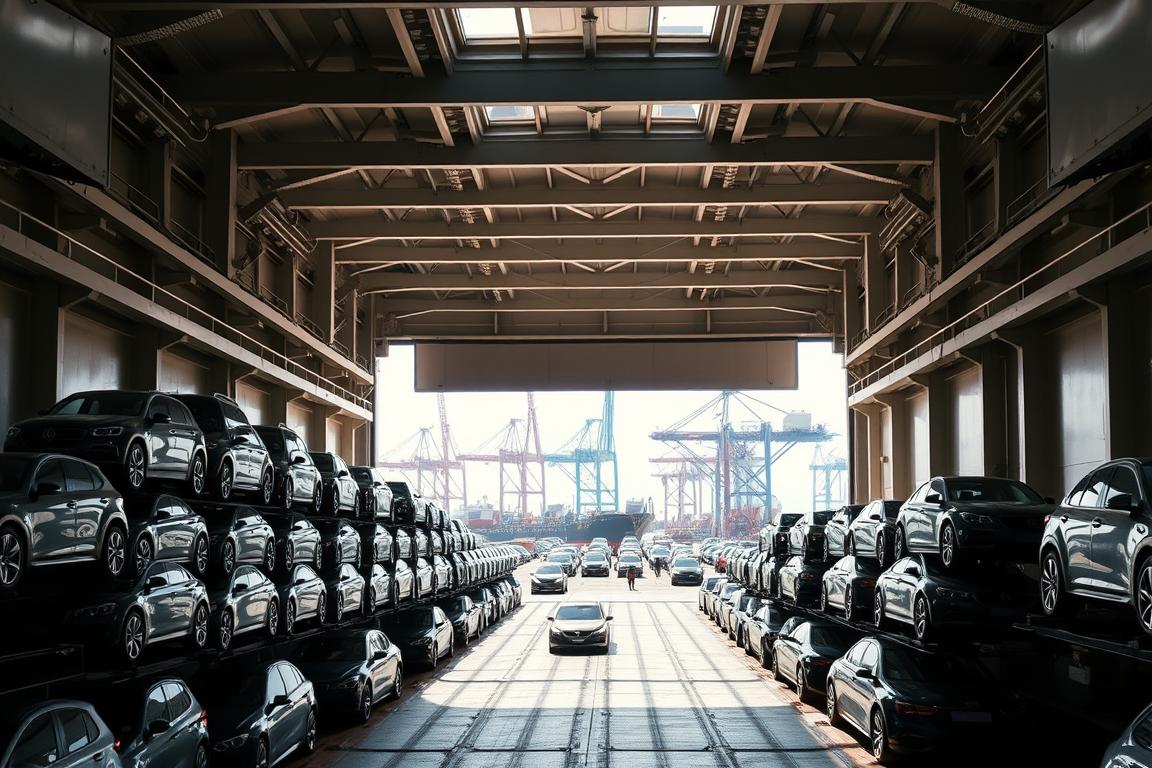
Operational choices—like using open racks or enclosed trailers—shape the risk you underwrite and the limits you should carry. Those choices also affect customer expectations and pricing.
Open vs. enclosed transport: risk profile and limits
Open trailers expose vehicles to weather and road debris. That raises the chance of cosmetic damage and makes clear documentation vital.
Enclosed moves reduce exposure and often justify higher cargo limits for high‑value autos. Shippers of luxury or classic models usually expect tighter protection and higher limits.
Practical tip: match limits to the highest vehicle value you haul on a lane, and use photos and BOL notes to reduce disputes.
Tow truck vs. car hauler policies: on‑hook and Garagekeepers
Tow operations typically need on‑hook coverage and Garagekeepers Liability because they store or hold vehicles on premises.
Most car haulers rely on cargo forms instead. Garagekeepers becomes relevant only if you regularly store vehicles overnight or offer yard services.
- Document loading and secure tie‑downs to lower claims.
- Adjust deductibles and endorsements to reflect your open/enclosed mix.
- Review storage exposure and add Garagekeepers when you keep vehicles on site.
Align your coverage to how you operate. The right mix keeps claims low and customers happy.
What Drives Hauler Insurance Cost—and How to Save
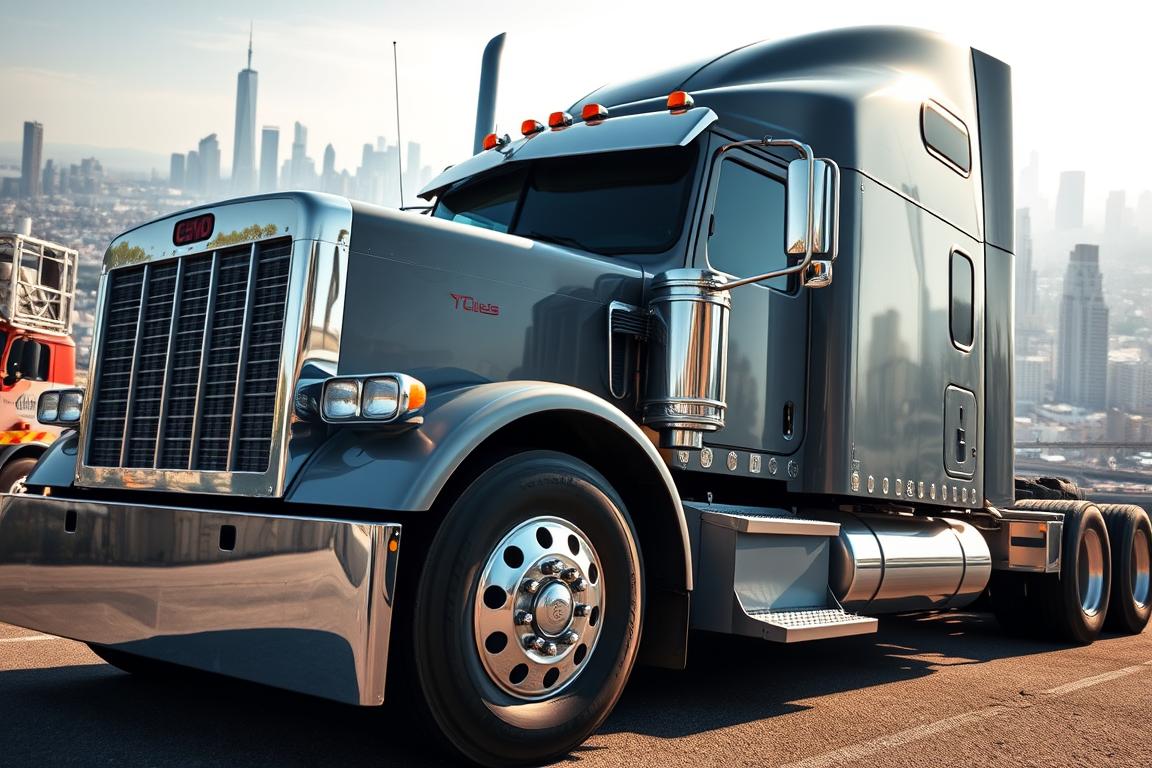
Premiums change a lot based on what you haul, where you run, and the claims history you carry. That simple mix explains most rate swings and helps you plan savings.
Key pricing factors: underwriters look at vehicle types, trailer size and capacity, operating lanes, and past losses.
- Higher-value loads and enclosed moves raise per-load cost.
- Longer or coastal lanes often increase rates because of theft and weather risk.
- Frequent claims or recent losses push premiums higher than clean histories.
- Choosing a higher deductible lowers your premium but raises out-of-pocket risk.
Money-saving strategies include bundling liability and physical damage into a Business Auto Policy (BAP). Bundling can cut admin and lower total premiums.
Other steps: raise deductibles where cash flow allows, run active safety programs, and document driver training and maintenance. Small broker add-ons—like gap or deductible assistance—can be cost-effective for tight short-term gaps.
Why continuous coverage matters
Keeping unbroken coverage helps you secure better quotes, win contracts, and avoid higher surcharges. Lenders and shippers often require proof of continuous protection before they work with you.
“A clean loss record and steady policy history save more over time than hunting occasional low quotes.”
We recommend comparing quotes, aligning limits to contracts, and choosing options that fit your growth plan. That approach keeps hauler insurance cost predictable and supports steady business growth.
Risk Management, Compliance, and Claims Readiness
A few verification steps before pickup protect your business and keep customers happy. They cut fraud, close gaps, and speed claims.
Verify authority and paperwork. Use the FMCSA site to confirm USDOT and MC numbers match the carrier name on the contract. Counterfeited numbers are real risks, so get a certificate of insurance that lists named insureds, limits, and endorsements.
What to check on certificates
Ask for limits, cancellation notice terms, and endorsements like loading/unloading or trailer interchange. These endorsements ensure the policy actually covers how you operate.
Documentation that wins claims
Inspect every vehicle at pickup and delivery. Take high‑resolution photos and note any issues on the bill of lading before signing.
- Confirm USDOT/MC number and named insured on the certificate.
- Document pre‑load condition with photos and timestamps.
- Note all damage on the BOL and keep copies for claims.
- Review broker add‑ons like deductible help to see if they add real value.
“A verified policy and clear photos turn disputes into decisions.”
Quick claim checklist: secure evidence, notify your company and carriers, file with the correct policy and follow insurer steps. This routine keeps loads moving and protects your reputation.
Conclusion
Make protection practical: tune limits, close gaps, and prove condition at pickup and delivery. Use a strong, step‑by‑step audit so your hauler operations match policy terms and real risk.
Prioritize federal liability minimums, align cargo limits to vehicle value, and add endorsements for loading/unloading, trailer interchange, and non‑trucking exposure. Verify USDOT and MC numbers on FMCSA and get current certificates before you accept a load.
Document everything: take photos, note issues on the bill of lading, and keep clear records to speed claims and limit dispute risk. Compare deductibles, consider BAP bundling, and explore broker add‑ons when you need extra help.
Next step: verify your limits, request updated COIs, and price any missing coverages so your company can deliver 5‑star, nationwide auto service with confidence.
FAQ
What is the difference between primary/public liability and general liability for a hauling business?
Primary/public liability covers bodily injury and property damage from vehicles you operate on public roads. General liability covers non-vehicle risks like slips at your terminal, hired facility damage, or advertising injury. Both are important: primary protects road exposure, while general fills gaps away from driving.
When do motor carriers need 0,000 versus
FAQ
What is the difference between primary/public liability and general liability for a hauling business?
Primary/public liability covers bodily injury and property damage from vehicles you operate on public roads. General liability covers non-vehicle risks like slips at your terminal, hired facility damage, or advertising injury. Both are important: primary protects road exposure, while general fills gaps away from driving.
When do motor carriers need $750,000 versus $1,000,000 in liability limits?
Federal rules set minimums depending on the cargo type and service. For most passenger or general freight transport, $750,000 may apply, but higher-risk operations—like hazardous materials or certain public passenger services—often require $1,000,000. Always verify FMCSA guidance and state requirements for your specific operation.
What does Motor Truck Cargo (cargo) coverage actually pay for?
Cargo coverage pays for physical loss or damage to vehicles or goods you’re hauling while in your possession. It typically covers collision, theft, fire, and weather damage to customers’ autos in transit, subject to limits, deductibles, and listed exclusions.
Why is loading and unloading coverage necessary for auto haulers?
Loading and unloading are high-risk activities where cargo can be damaged even before transit begins. Standard cargo policies may exclude those moments, so a specific loading/unloading endorsement or separate policy fills that common gap and protects customers’ vehicles during those operations.
How does physical damage for tractors and power units differ from trailer insurance?
Physical damage for tractors covers collision and comprehensive losses to your powered units. Trailer insurance protects trailers—whether owned or in interchange—and may include theft and glass. Trailer interchange coverage specifically protects non-owned trailers when you’re contractually responsible.
What is bobtail or non-trucking liability and when is it needed?
Bobtail/non-trucking liability covers you when driving the truck without a load and not on a dispatch that the motor carrier controls—such as personal use or deadhead without a contract. If you operate trucks both on and off dispatch, this coverage helps when primary auto liability doesn’t apply.
Do brokers’ insurance policies protect my customers’ vehicles?
No. Brokers typically carry contingent cargo or broker liability, but that does not replace the hauler’s obligation. Your customers should look to the hauling company’s cargo and liability policies. Always verify the carrier’s MC, USDOT, and active insurance limits before loading.
What documentation should I collect to verify a carrier’s coverage?
Ask for the motor carrier’s MC and USDOT numbers, a certificate of insurance showing primary liability and cargo limits, endorsements (like trailer interchange), and effective dates. Use the FMCSA SAFER or Licensing & Insurance portals to confirm active authority and policy limits.
How do open transport and enclosed transport change my coverage needs?
Open transport has higher exposure to weather, road debris, and theft; limits and deductibles should reflect that. Enclosed transport reduces those risks but increases cargo value per load and may require higher cargo limits or specialized endorsements. Choose coverage to match the transport type and customer expectations.
What are the main factors that drive hauler policy cost?
Premiums depend on vehicle types, trailer size and count, routes and lanes, average cargo value, loss history, driver experience, deductibles, and safety programs. Higher limits and lower deductibles raise cost, while demonstrated safety and bundling policies can reduce it.
Which money-saving strategies are realistic for small haulers?
Realistic savings include bundling coverages (Business Auto and Cargo), raising reasonable deductibles, implementing driver training and telematics, maintaining continuous coverage, and shopping multiple commercial insurers for competitive quotes.
How important is continuous coverage for contracts and claims?
Very important. Lapses can void claims, raise premiums, and disqualify you from contracts that require uninterrupted proof of coverage. Continuous coverage also signals reliability to shippers and brokers.
What documentation helps win a cargo claim after delivery?
The strongest claim files include a pre-shipment inspection report, photos of damage, a detailed bill of lading noting vehicle condition at pickup and delivery, driver logs, delivery inspection forms signed by the consignee, and any repair estimates or invoices.
Do I need workers’ compensation if I run a small hauling company?
In most states, yes—if you have employees. Workers’ comp covers medical costs and lost wages for on-the-job injuries. Requirements vary by state and by whether you hire independent contractors, but compliance protects your team and business from costly claims.
How does uninsured/underinsured motorist (UM/UIM) coverage protect my operation?
UM/UIM protects you when another driver at fault lacks sufficient liability limits. For haulers, it offers an added layer of recovery for bodily injury and sometimes property damage, reducing out-of-pocket exposure after collisions with inadequately insured parties.
What steps should I take when selecting an insurer for auto hauling?
Compare carriers experienced in transport risks, verify financial strength and claims response, ensure they offer the nine essential coverages listed earlier, request tailored endorsements, and get written certificates and policy language that match contract requirements.
,000,000 in liability limits?
Federal rules set minimums depending on the cargo type and service. For most passenger or general freight transport, 0,000 may apply, but higher-risk operations—like hazardous materials or certain public passenger services—often require
FAQ
What is the difference between primary/public liability and general liability for a hauling business?
Primary/public liability covers bodily injury and property damage from vehicles you operate on public roads. General liability covers non-vehicle risks like slips at your terminal, hired facility damage, or advertising injury. Both are important: primary protects road exposure, while general fills gaps away from driving.
When do motor carriers need $750,000 versus $1,000,000 in liability limits?
Federal rules set minimums depending on the cargo type and service. For most passenger or general freight transport, $750,000 may apply, but higher-risk operations—like hazardous materials or certain public passenger services—often require $1,000,000. Always verify FMCSA guidance and state requirements for your specific operation.
What does Motor Truck Cargo (cargo) coverage actually pay for?
Cargo coverage pays for physical loss or damage to vehicles or goods you’re hauling while in your possession. It typically covers collision, theft, fire, and weather damage to customers’ autos in transit, subject to limits, deductibles, and listed exclusions.
Why is loading and unloading coverage necessary for auto haulers?
Loading and unloading are high-risk activities where cargo can be damaged even before transit begins. Standard cargo policies may exclude those moments, so a specific loading/unloading endorsement or separate policy fills that common gap and protects customers’ vehicles during those operations.
How does physical damage for tractors and power units differ from trailer insurance?
Physical damage for tractors covers collision and comprehensive losses to your powered units. Trailer insurance protects trailers—whether owned or in interchange—and may include theft and glass. Trailer interchange coverage specifically protects non-owned trailers when you’re contractually responsible.
What is bobtail or non-trucking liability and when is it needed?
Bobtail/non-trucking liability covers you when driving the truck without a load and not on a dispatch that the motor carrier controls—such as personal use or deadhead without a contract. If you operate trucks both on and off dispatch, this coverage helps when primary auto liability doesn’t apply.
Do brokers’ insurance policies protect my customers’ vehicles?
No. Brokers typically carry contingent cargo or broker liability, but that does not replace the hauler’s obligation. Your customers should look to the hauling company’s cargo and liability policies. Always verify the carrier’s MC, USDOT, and active insurance limits before loading.
What documentation should I collect to verify a carrier’s coverage?
Ask for the motor carrier’s MC and USDOT numbers, a certificate of insurance showing primary liability and cargo limits, endorsements (like trailer interchange), and effective dates. Use the FMCSA SAFER or Licensing & Insurance portals to confirm active authority and policy limits.
How do open transport and enclosed transport change my coverage needs?
Open transport has higher exposure to weather, road debris, and theft; limits and deductibles should reflect that. Enclosed transport reduces those risks but increases cargo value per load and may require higher cargo limits or specialized endorsements. Choose coverage to match the transport type and customer expectations.
What are the main factors that drive hauler policy cost?
Premiums depend on vehicle types, trailer size and count, routes and lanes, average cargo value, loss history, driver experience, deductibles, and safety programs. Higher limits and lower deductibles raise cost, while demonstrated safety and bundling policies can reduce it.
Which money-saving strategies are realistic for small haulers?
Realistic savings include bundling coverages (Business Auto and Cargo), raising reasonable deductibles, implementing driver training and telematics, maintaining continuous coverage, and shopping multiple commercial insurers for competitive quotes.
How important is continuous coverage for contracts and claims?
Very important. Lapses can void claims, raise premiums, and disqualify you from contracts that require uninterrupted proof of coverage. Continuous coverage also signals reliability to shippers and brokers.
What documentation helps win a cargo claim after delivery?
The strongest claim files include a pre-shipment inspection report, photos of damage, a detailed bill of lading noting vehicle condition at pickup and delivery, driver logs, delivery inspection forms signed by the consignee, and any repair estimates or invoices.
Do I need workers’ compensation if I run a small hauling company?
In most states, yes—if you have employees. Workers’ comp covers medical costs and lost wages for on-the-job injuries. Requirements vary by state and by whether you hire independent contractors, but compliance protects your team and business from costly claims.
How does uninsured/underinsured motorist (UM/UIM) coverage protect my operation?
UM/UIM protects you when another driver at fault lacks sufficient liability limits. For haulers, it offers an added layer of recovery for bodily injury and sometimes property damage, reducing out-of-pocket exposure after collisions with inadequately insured parties.
What steps should I take when selecting an insurer for auto hauling?
Compare carriers experienced in transport risks, verify financial strength and claims response, ensure they offer the nine essential coverages listed earlier, request tailored endorsements, and get written certificates and policy language that match contract requirements.
,000,000. Always verify FMCSA guidance and state requirements for your specific operation.
What does Motor Truck Cargo (cargo) coverage actually pay for?
Cargo coverage pays for physical loss or damage to vehicles or goods you’re hauling while in your possession. It typically covers collision, theft, fire, and weather damage to customers’ autos in transit, subject to limits, deductibles, and listed exclusions.
Why is loading and unloading coverage necessary for auto haulers?
Loading and unloading are high-risk activities where cargo can be damaged even before transit begins. Standard cargo policies may exclude those moments, so a specific loading/unloading endorsement or separate policy fills that common gap and protects customers’ vehicles during those operations.
How does physical damage for tractors and power units differ from trailer insurance?
Physical damage for tractors covers collision and comprehensive losses to your powered units. Trailer insurance protects trailers—whether owned or in interchange—and may include theft and glass. Trailer interchange coverage specifically protects non-owned trailers when you’re contractually responsible.
What is bobtail or non-trucking liability and when is it needed?
Bobtail/non-trucking liability covers you when driving the truck without a load and not on a dispatch that the motor carrier controls—such as personal use or deadhead without a contract. If you operate trucks both on and off dispatch, this coverage helps when primary auto liability doesn’t apply.
Do brokers’ insurance policies protect my customers’ vehicles?
No. Brokers typically carry contingent cargo or broker liability, but that does not replace the hauler’s obligation. Your customers should look to the hauling company’s cargo and liability policies. Always verify the carrier’s MC, USDOT, and active insurance limits before loading.
What documentation should I collect to verify a carrier’s coverage?
Ask for the motor carrier’s MC and USDOT numbers, a certificate of insurance showing primary liability and cargo limits, endorsements (like trailer interchange), and effective dates. Use the FMCSA SAFER or Licensing & Insurance portals to confirm active authority and policy limits.
How do open transport and enclosed transport change my coverage needs?
Open transport has higher exposure to weather, road debris, and theft; limits and deductibles should reflect that. Enclosed transport reduces those risks but increases cargo value per load and may require higher cargo limits or specialized endorsements. Choose coverage to match the transport type and customer expectations.
What are the main factors that drive hauler policy cost?
Premiums depend on vehicle types, trailer size and count, routes and lanes, average cargo value, loss history, driver experience, deductibles, and safety programs. Higher limits and lower deductibles raise cost, while demonstrated safety and bundling policies can reduce it.
Which money-saving strategies are realistic for small haulers?
Realistic savings include bundling coverages (Business Auto and Cargo), raising reasonable deductibles, implementing driver training and telematics, maintaining continuous coverage, and shopping multiple commercial insurers for competitive quotes.
How important is continuous coverage for contracts and claims?
Very important. Lapses can void claims, raise premiums, and disqualify you from contracts that require uninterrupted proof of coverage. Continuous coverage also signals reliability to shippers and brokers.
What documentation helps win a cargo claim after delivery?
The strongest claim files include a pre-shipment inspection report, photos of damage, a detailed bill of lading noting vehicle condition at pickup and delivery, driver logs, delivery inspection forms signed by the consignee, and any repair estimates or invoices.
Do I need workers’ compensation if I run a small hauling company?
In most states, yes—if you have employees. Workers’ comp covers medical costs and lost wages for on-the-job injuries. Requirements vary by state and by whether you hire independent contractors, but compliance protects your team and business from costly claims.
How does uninsured/underinsured motorist (UM/UIM) coverage protect my operation?
UM/UIM protects you when another driver at fault lacks sufficient liability limits. For haulers, it offers an added layer of recovery for bodily injury and sometimes property damage, reducing out-of-pocket exposure after collisions with inadequately insured parties.
What steps should I take when selecting an insurer for auto hauling?
Compare carriers experienced in transport risks, verify financial strength and claims response, ensure they offer the nine essential coverages listed earlier, request tailored endorsements, and get written certificates and policy language that match contract requirements.