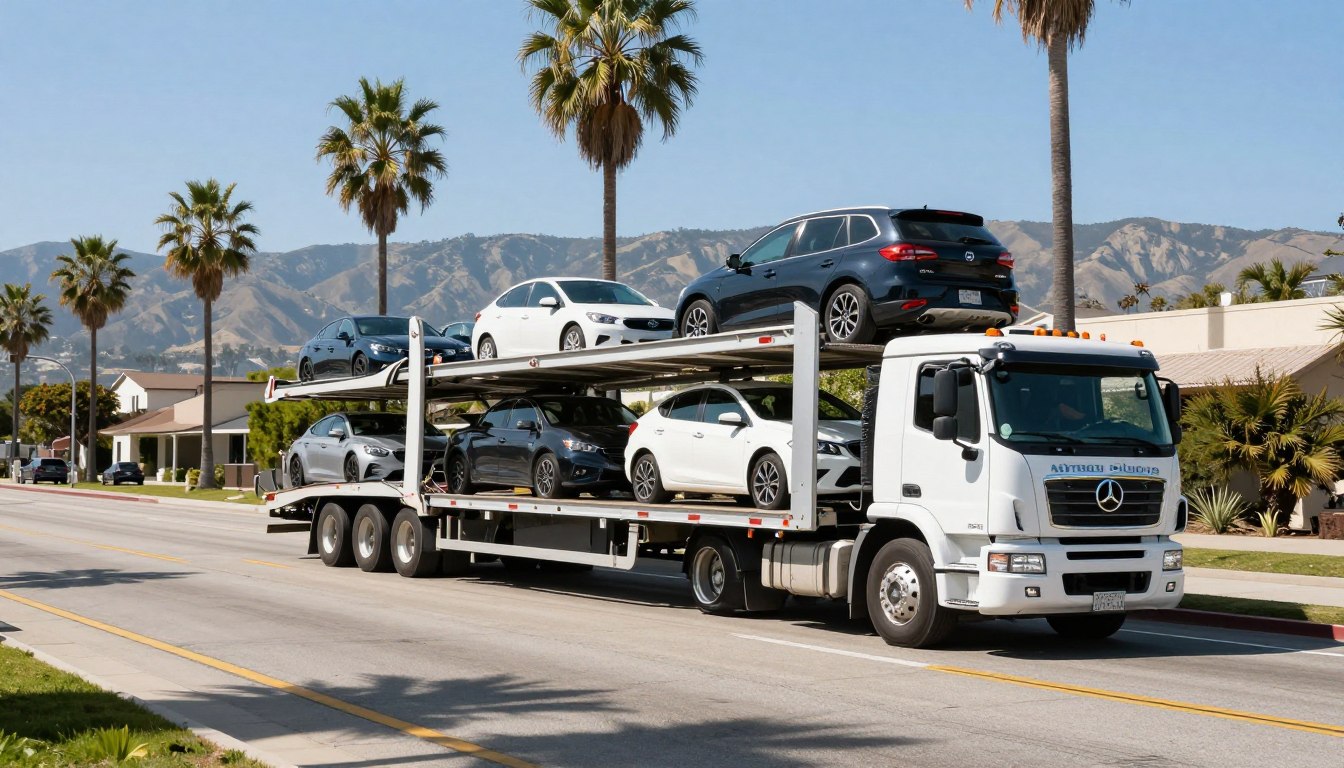

Our California Car Shipping Services
John 3:16 Transport offers comprehensive car transport services tailored to meet your specific needs. Whether you’re shipping a vehicle to California or from California to another state, we provide reliable solutions with exceptional customer service.
Open Car Transport
Our most popular and economical option. Your vehicle is transported on an open carrier, safely secured alongside other vehicles. Ideal for standard cars, SUVs, and trucks.
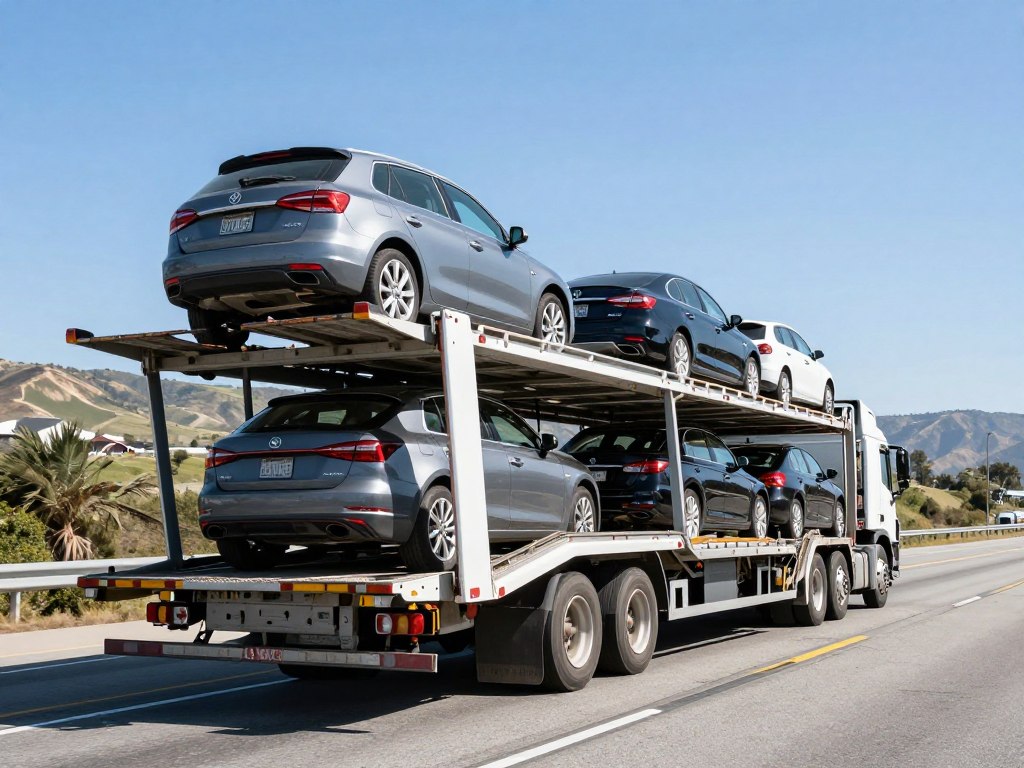
Enclosed Car Transport
Premium protection for luxury, classic, or high-value vehicles. Your car travels in a fully enclosed trailer, shielded from weather elements and road debris.

Door-to-Door Delivery
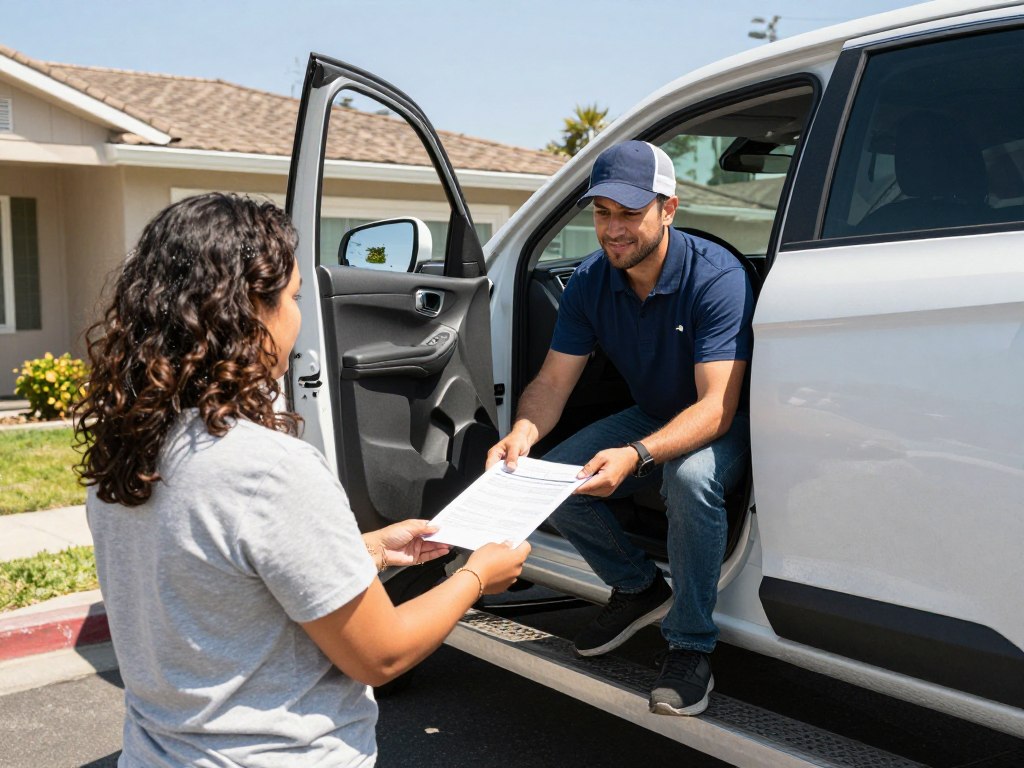
Convenient pickup and delivery at your specified locations. Our driver will collect your vehicle from your doorstep and deliver it directly to your destination.
Questions about our services? Call us directly:
Popular California Car Shipping Routes
California is connected to numerous major shipping routes across the United States. Whether you’re shipping a car to California or transporting a vehicle from California to another state, John 3:16 Transport provides reliable service on all major routes.
| Route | Distance (miles) | Estimated Transit Time | Average Cost | Quote |
| California to Florida | 2,700 | 7-10 days | $1,200-$1,500 | Get Quote |
| California to Texas | 1,500 | 4-6 days | $900-$1,100 | Get Quote |
| California to New York | 2,900 | 7-10 days | $1,400-$1,700 | Get Quote |
| California to Michigan | 2,300 | 6-8 days | $1,100-$1,400 | Get Quote |
| California to Illinois | 2,100 | 5-7 days | $1,000-$1,300 | Get Quote |
| California to Pennsylvania | 2,700 | 6-9 days | $1,300-$1,600 | Get Quote |
| California to Tennessee | 2,200 | 5-7 days | $1,100-$1,400 | Get Quote |
| California to Indiana | 2,200 | 5-7 days | $1,100-$1,400 | Get Quote |
*Prices are estimates based on current market rates. Actual costs may vary based on vehicle type, specific locations, seasonality, and current fuel prices. For an accurate quote, please use our calculator or call us directly.
California Car Shipping Cost Factors
When determining how much to ship a car to California, several key factors influence the final price. Understanding these variables helps you get the most accurate quote and potentially save money on your auto transport.
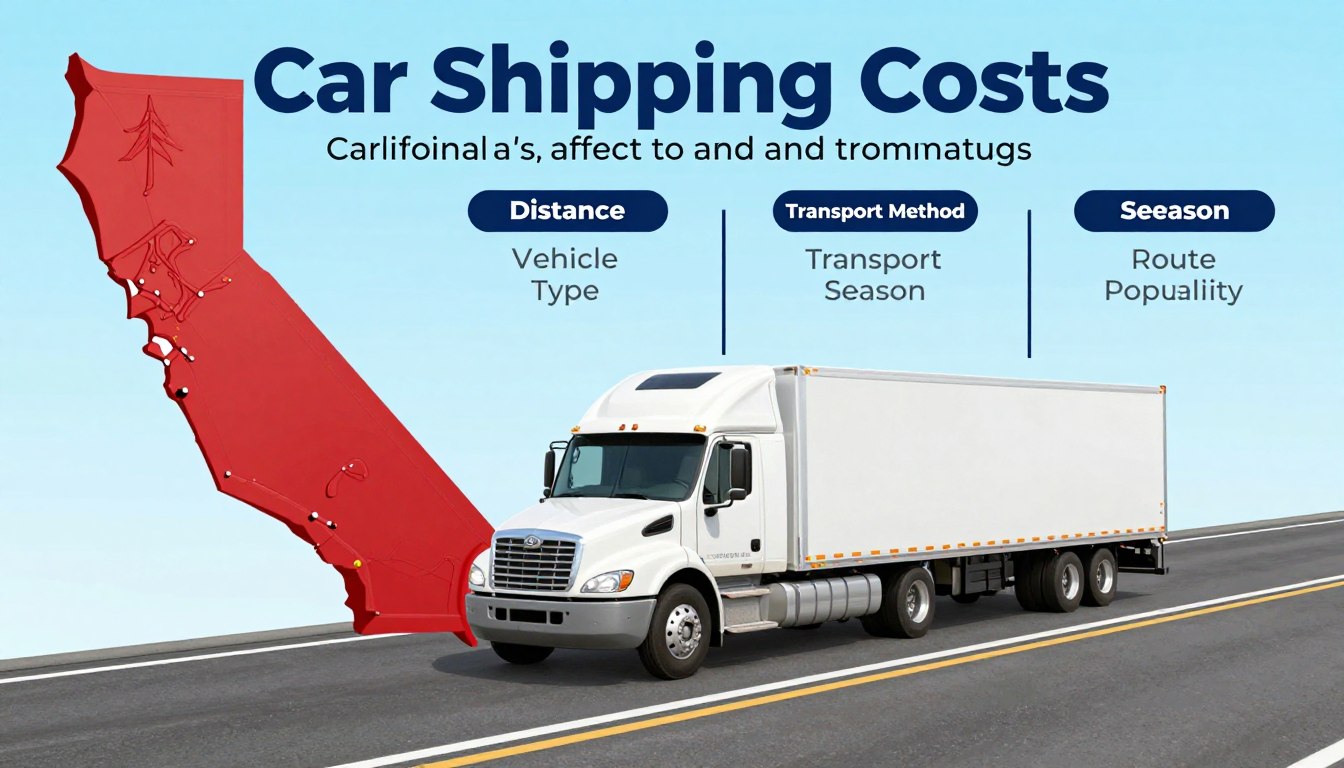
Distance
The distance between pickup and delivery locations is the primary cost factor. Longer distances generally mean higher costs, though the price per mile decreases for longer routes.
- Under 500 miles: $400-$700
- ~1,000 miles: $700-$1,000
- Cross-country: $1,400-$2,000
Vehicle Type
The size, weight, and value of your vehicle affect shipping costs. Larger, heavier vehicles take up more space and add weight to the carrier.
- Sedans and compact cars cost less
- SUVs and trucks cost 10-20% more
- Luxury and exotic cars may require enclosed transport
Transport Method
The type of carrier you choose significantly impacts the cost of shipping your vehicle.
- Open transport: Most economical option
- Enclosed transport: 30-40% more expensive
- Expedited shipping: Premium rates for faster service
Season
Seasonal demand affects car shipping prices to and from California.
- Summer (May-September): Peak season, higher rates
- Winter (November-February): Lower demand, better rates
- “Snowbird” seasons: Price increases for Florida routes
Route Popularity
Popular routes with high carrier availability often have more competitive pricing.
- Major cities: Better rates due to high demand
- Rural areas: May incur additional fees
- One-way vs. round-trip routes affect pricing
Timing & Flexibility
Your timeline and flexibility can significantly impact shipping costs.
- Expedited service: Higher rates for guaranteed pickup
- Flexible dates: Can reduce costs by 10-15%
- Advance booking: Better rates with 2-3 weeks notice
Industry Insight: Under ~$0.50/mile may mean longer wait times for carrier assignment; closer to ~$1/mile typically results in faster loading within a week.
If you’re moving coast-to-coast, here’s the Cheapest way to ship car from Florida to California and save $500+ without sacrificing safety.
How to Save Money on California Car Shipping
Looking for the cheapest way to ship your car to or from California? These practical tips can help you reduce costs without compromising on service quality.
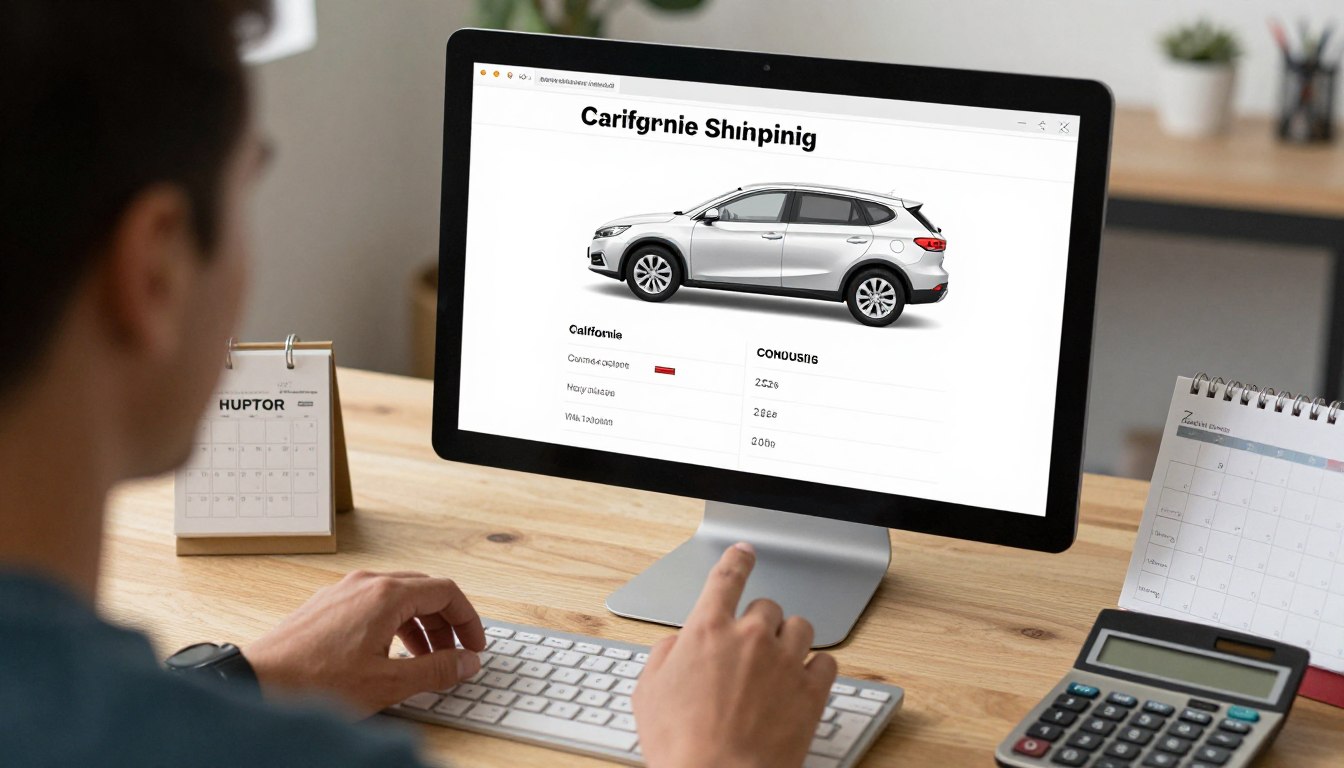
Be Flexible with Dates
Offering a flexible pickup and delivery window gives carriers more options to include your vehicle in their schedule, potentially reducing your cost by 10-15%.
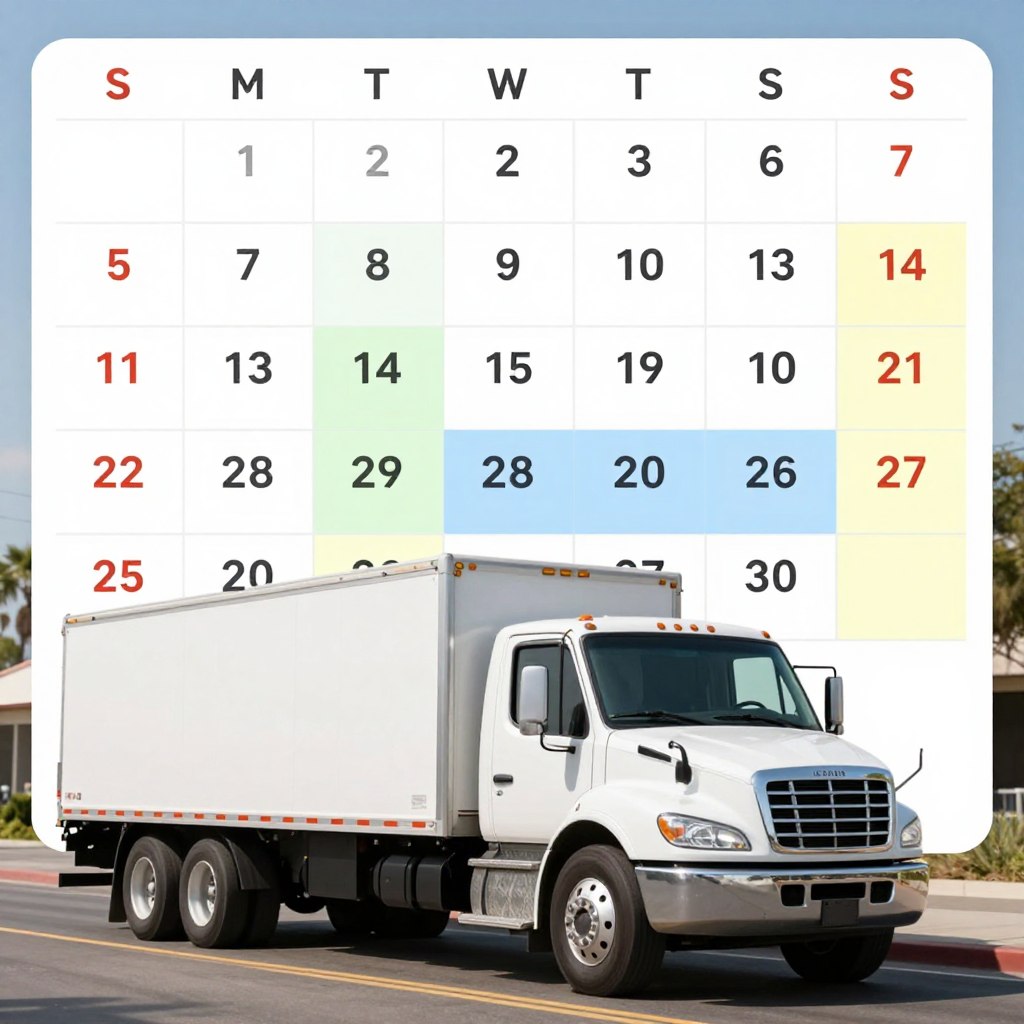
Choose Open Transport
Open carriers are the standard in the industry and cost significantly less than enclosed transport. For most standard vehicles, open transport provides adequate protection at the best price.

Book During Off-Peak Seasons
Avoid the summer months and “snowbird” seasons when demand is highest. Winter months (except holidays) often offer lower rates due to reduced demand.
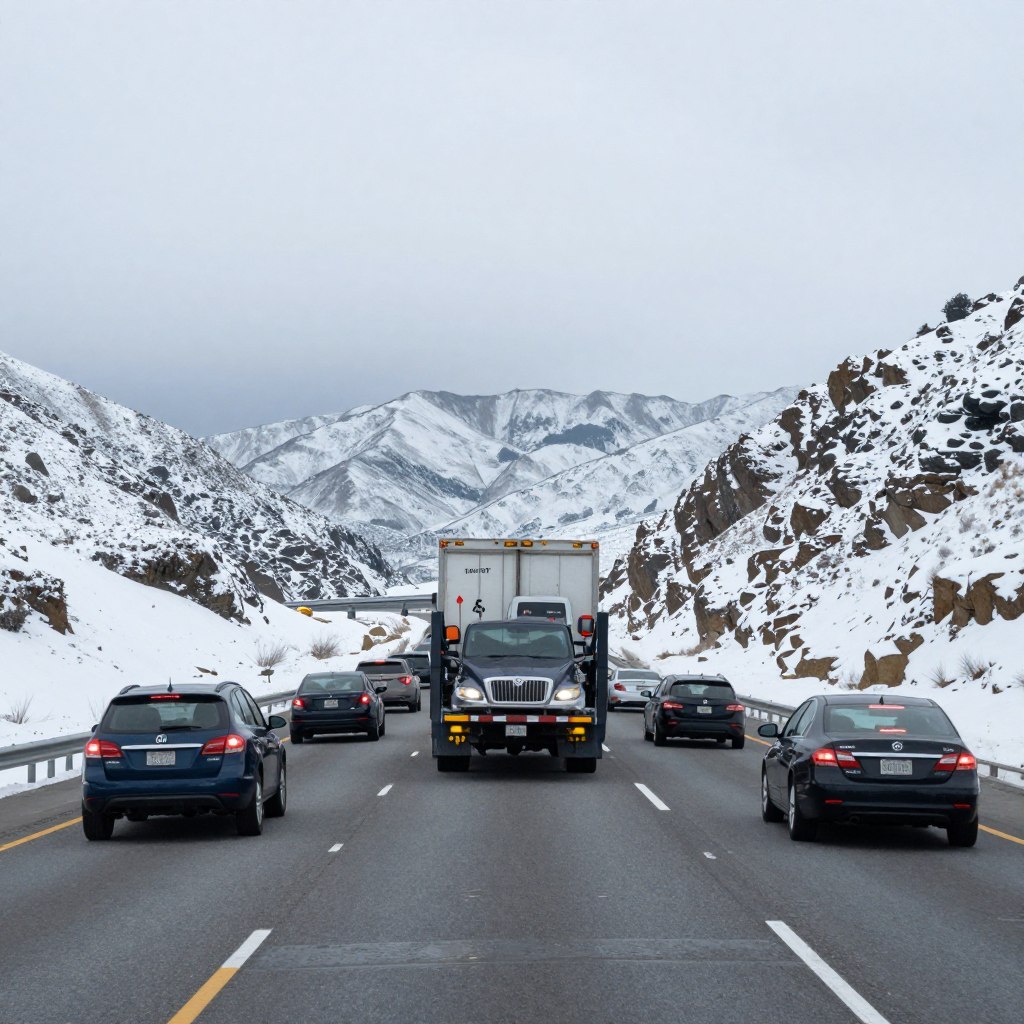
Ship Terminal-to-Terminal
While less convenient than door-to-door service, terminal-to-terminal shipping can reduce your costs. You’ll drop off and pick up your vehicle at designated locations.

Plan in Advance
Booking your shipment 2-3 weeks in advance gives you access to better rates and more carrier options. Last-minute shipments often incur premium pricing.

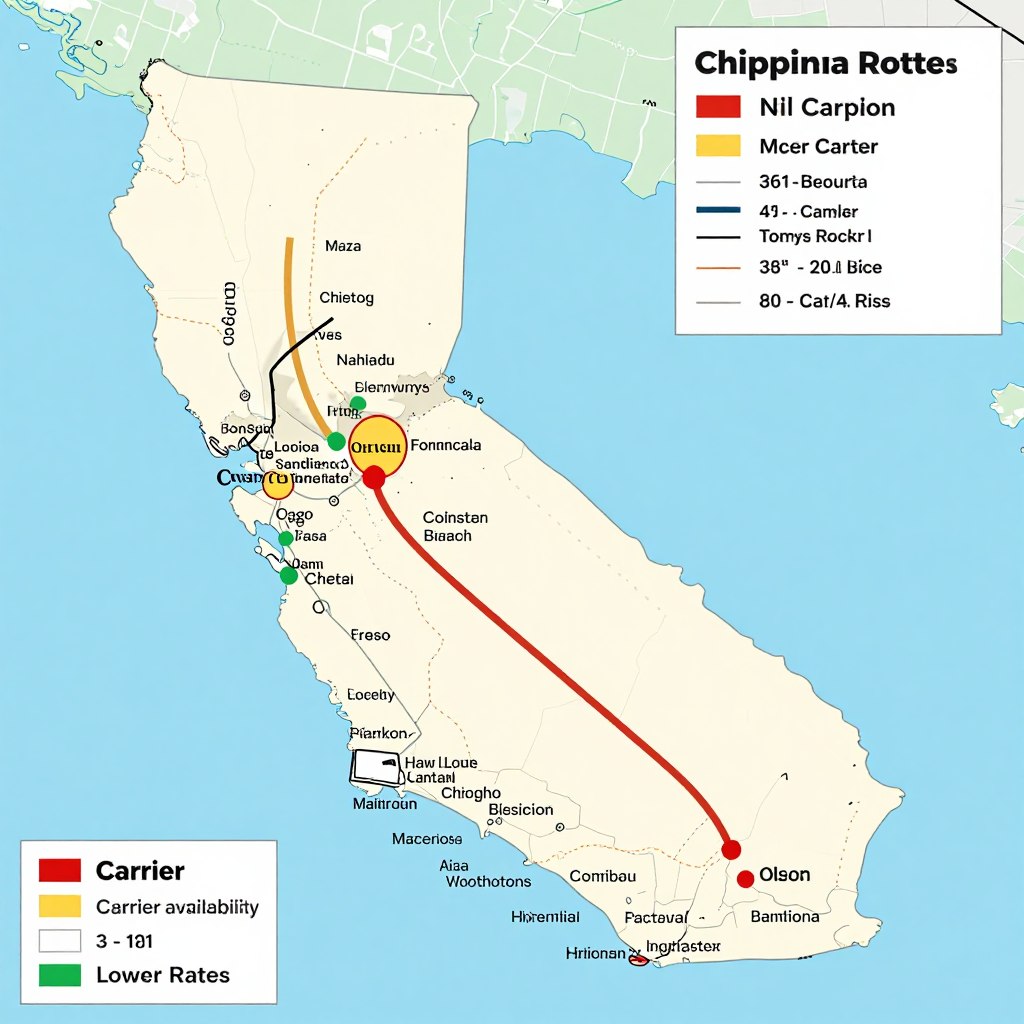
Choose Popular Routes
Shipping between major cities and along popular routes typically costs less due to higher carrier availability. Consider dropping off or picking up your vehicle at a more accessible location if you’re in a remote area.
“Shipping is reasonably priced—it depends on how much you value your time. The most important factor is finding a reputable company that will deliver your vehicle safely and on schedule.”
Special Section: California to Hawaii Car Shipping
Shipping a vehicle between California and Hawaii requires special consideration due to the ocean crossing. Unlike continental routes, this service combines land and sea transportation.
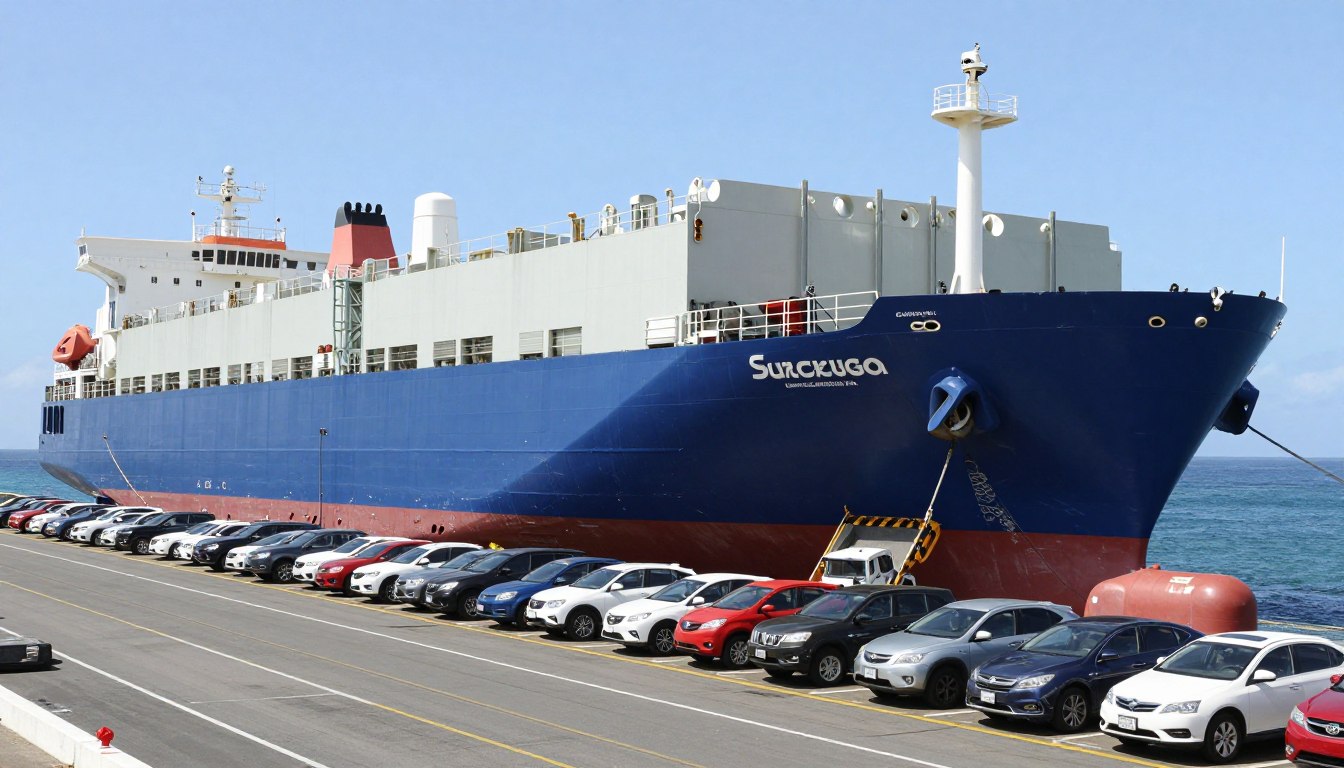
How Hawaii Car Shipping Works
When shipping a car between California and Hawaii, your vehicle will travel on a specialized ocean vessel. There are two primary methods:
RoRo (Roll-on/Roll-off) Shipping
The most common and economical option for Hawaii car transport. Vehicles are driven onto specialized vessels, secured in place, and then driven off at the destination port. This method is typically used for standard operational vehicles.
Container Shipping
Vehicles are loaded into shipping containers for maximum protection. This method is often used for luxury, classic, or high-value vehicles, as well as when shipping personal belongings with your car. Container shipping offers superior protection but at a higher cost.
Most Hawaii car shipments depart from ports in Long Beach, Oakland, or San Diego, California. Transit time typically ranges from 7-12 days, depending on the specific ports and scheduling.
Hawaii Car Shipping Considerations
- Longer transit times (7-12 days on average)
- Higher costs compared to continental shipping
- Special preparation requirements
- Port fees and processing
- Vehicle inspection requirements
- Limited personal items allowed (if any)
- Insurance considerations for ocean transit
Important Note: Hawaii car shipping is considered domestic transport, not international. While it involves ocean crossing, you won’t need to deal with customs clearance or import duties as you would when shipping to foreign countries.
International Car Shipping from California
California’s strategic location on the Pacific Coast makes it an ideal departure point for international vehicle shipments. However, international car shipping involves additional considerations beyond domestic transport.

Understanding International Auto Transport
When shipping a vehicle internationally from California, you’ll need to navigate customs requirements, import regulations, taxes, and duties. These factors often represent the most significant portion of international shipping costs.
The Real Cost of International Shipping
While the actual transport cost might be manageable, many customers are surprised by the additional fees:
- Import duties (can range from 10% to over 100% of vehicle value)
- Value-added tax (VAT) or similar taxes
- Customs processing fees
- Port handling charges
- Destination country registration fees
- Compliance modifications (if required)
“Shipping might be manageable, but customs, taxes, and fees are the real killer. In some countries, import duties can exceed 100% of the vehicle’s value.”
International Shipping Methods
For international car shipping from California, two primary methods are available:
RoRo (Roll-on/Roll-off)
Vehicles are driven onto specialized vessels and secured for ocean transit. This is typically the more economical option but offers less protection and doesn’t allow for personal items to be shipped with the vehicle.
Container Shipping
Your vehicle is loaded into a shipping container, offering maximum protection from the elements and potential damage. This method also allows for personal belongings to be shipped with the vehicle (subject to customs regulations). Container shipping is more expensive but provides superior protection.
Did You Know? Used cars often ship in containers, while new vehicles frequently travel on RoRo vessels with multiple decks specifically designed for vehicle transport.
Ship vs. Drive: What’s Best for Your California Move?
When relocating to or from California, many people debate whether to ship their vehicle or drive it themselves. Let’s compare the costs and considerations to help you make an informed decision.
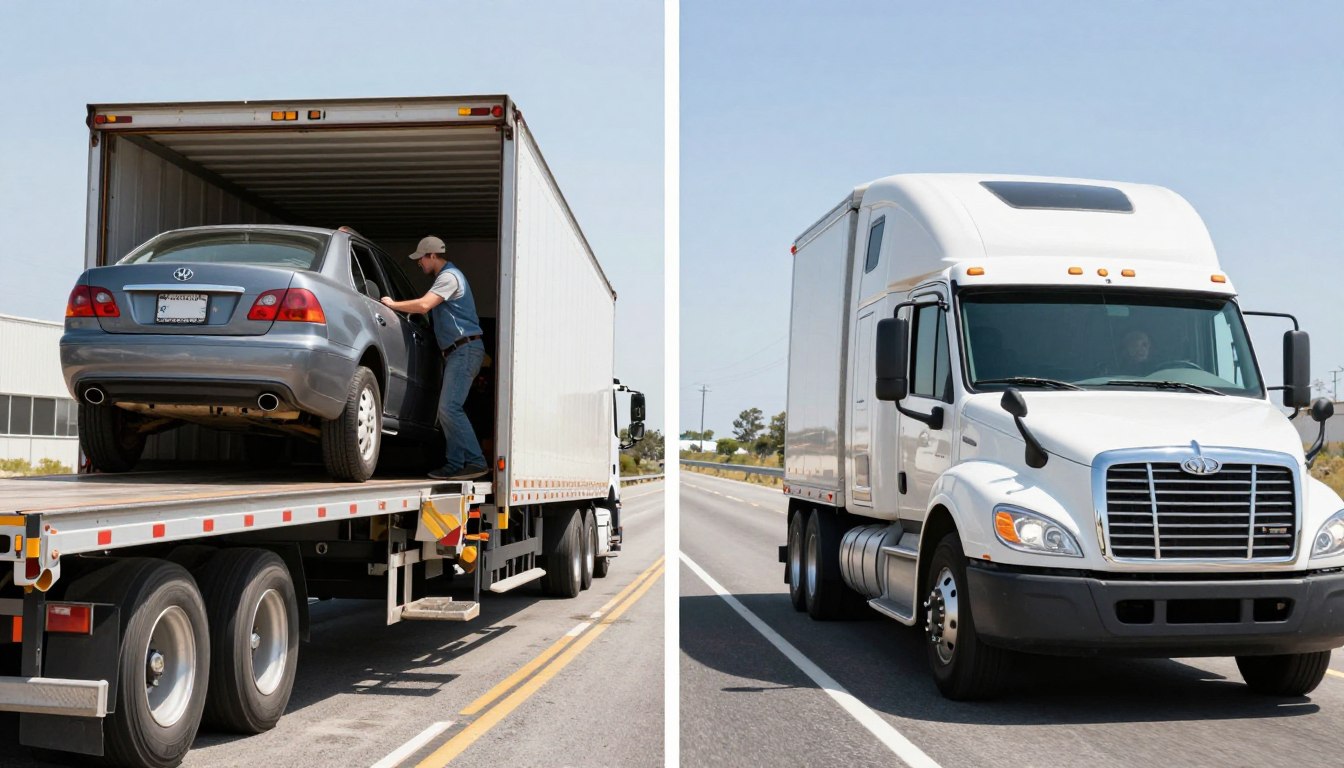
Cost Comparison for a 3,000-Mile Trip
Driving Costs:
- Gas: $400+ (varies by vehicle efficiency)
- Hotels: $300-$600 (3-4 nights)
- Food: $200+
- Vehicle Wear & Tear: Hard to quantify but includes depreciation, maintenance impact, and potential tire wear
- Time Off Work: Depends on your situation and income
- Total Estimated Cost: $900-$1,200+ (not including wear & tear and time value)
Shipping Costs:
- Cross-Country Shipping: $1,400-$2,000
- No Vehicle Wear & Tear
- No Personal Time Investment
- No Travel Expenses
Non-Cost Factors to Consider
Advantages of Driving:
- Experience the journey and sightseeing opportunities
- Immediate access to your vehicle
- Ability to transport personal items in your car
- Complete control over the journey
Advantages of Shipping:
- Convenience and stress reduction
- No exposure to potential road hazards
- Avoid difficult driving conditions (winter, mountains)
- Save time and energy for other aspects of your move
- Reduce vehicle mileage and wear
“Driving only looks cheaper if you already want the road trip. When you factor in the true costs of time, wear and tear, and the physical toll of long-distance driving, shipping is often the more practical choice.”
Real Customer Shipping Examples
Here are some real-world examples of car shipping to and from California to give you a better understanding of costs and timeframes.
Florida to California
Distance: 2,700 miles
Vehicle: 2018 Honda Accord
Transport Type: Open carrier
Cost: $1,450
Transit Time: 8 days
Customer Comment: “The process was smooth from start to finish. My car arrived in perfect condition, and the driver kept me updated throughout the journey.”
California to New York
Distance: 2,900 miles
Vehicle: 2020 BMW X5
Transport Type: Enclosed carrier
Cost: $2,100
Transit Time: 7 days
Customer Comment: “I was nervous about shipping my luxury vehicle across the country, but the enclosed transport provided excellent protection. Worth every penny for the peace of mind.”
North Carolina to California
Distance: 2,500 miles
Vehicle: 2017 Toyota RAV4
Transport Type: Open carrier
Cost: $1,160 (Winter shipping)
Transit Time: 6 days
Customer Comment: “I shipped during December when rates were lower. The carrier was professional and delivered earlier than expected. Great experience overall.”
“I shipped my car from California to Texas with John 3:16 Transport and was impressed with their professionalism and communication. The driver kept me updated throughout the journey, and my vehicle arrived in perfect condition.”
Insurance, Safety, and Vehicle Protection
When shipping your vehicle to or from California, protection against potential damage is a top concern. Understanding insurance coverage and the inspection process is essential for peace of mind.

Insurance Coverage
All reputable car shipping companies, including John 3:16 Transport, provide insurance coverage during transit. This coverage protects your vehicle against damage that may occur during the shipping process.
- Carrier liability insurance is included in your quote
- Coverage extends from pickup to delivery
- Verify coverage limits before shipping
- Additional coverage options may be available
Inspection Process
A thorough inspection is conducted at both pickup and delivery to document your vehicle’s condition and identify any pre-existing or new damage.
- Bill of Lading (BOL) serves as the inspection report
- Document pre-existing damage before shipping
- Take detailed photos from all angles
- Note any operational issues
- Verify condition at delivery before signing
Damage Claims Process
In the rare event that damage occurs during transport, knowing the claims process is important.
- Inspect vehicle thoroughly at delivery
- Note any damage on the Bill of Lading
- Take photos of damage immediately
- Contact the carrier and broker promptly
- File claim within the specified timeframe (usually 24-48 hours)
Important: Always inspect your vehicle thoroughly before signing the delivery Bill of Lading. Once you sign, you acknowledge the vehicle’s condition upon delivery, which could affect your ability to file a damage claim later.
How to Verify a Car Shipping Company’s Legitimacy
Protecting yourself from scams and ensuring you’re working with a reputable car shipping company is crucial. Here’s how to verify legitimacy before entrusting your vehicle to a carrier.
Check FMCSA Registration
Legitimate auto transport brokers and carriers must be registered with the Federal Motor Carrier Safety Administration (FMCSA).
- Verify MC (Motor Carrier) number
- Check DOT (Department of Transportation) number
- Confirm active operating authority
- Review safety record and complaint history
John 3:16 Transport maintains all required federal registrations and licenses.
Research Reviews and Ratings
Customer experiences provide valuable insights into a company’s reliability and service quality.
- Check multiple review platforms (Google, BBB, Transport Reviews)
- Look for consistent patterns in feedback
- Read both positive and negative reviews
- Verify the company responds to customer concerns
- Check BBB rating and accreditation
Beware of Red Flags
Watch for warning signs that may indicate a less reputable company:
- Unusually low quotes (significantly below market rate)
- Large upfront deposits (over 25-50% of total cost)
- No written contract or terms of service
- Pressure tactics or rushing decisions
- No physical address listed
- Limited contact options or poor communication
Warning: Be cautious of companies that significantly increase the price before delivery and withhold your vehicle until paid. This “ransom” scenario is a known scam in the industry. Always get quotes and terms in writing before booking.
Frequently Asked Questions About California Car Shipping
Get answers to common questions about shipping vehicles to and from California.
Is it really cheaper to ship a car than a piece of paper?
This common misconception arises from comparing different services. When people ship paper documents, they often use express overnight delivery services, which are premium-priced for speed. Car shipping, on the other hand, typically involves flexible pickup windows and longer transit times, allowing for more efficient logistics and route planning. The key difference is speed + handling + logistics network/scale, not the actual weight of the items being shipped.
How long does it take to ship a car to or from California?
Transit times vary based on distance:
- Within California: 1-3 days
- California to neighboring states: 2-4 days
- California to Midwest: 5-7 days
- California to East Coast: 7-10 days
- California to Hawaii: 7-12 days
These timeframes can vary based on weather conditions, route specifics, and seasonal factors.
Do cars ship in containers or on RoRo vessels?
Both methods are used, depending on the destination and customer preferences:
RoRo (Roll-on/Roll-off): Vehicles are driven onto specialized vessels with multiple decks designed specifically for vehicle transport. This is common for shipping new cars and is typically more economical.
Container Shipping: Vehicles are loaded into shipping containers. This method is often used for used cars, luxury vehicles, or when additional protection is desired. It’s also necessary when shipping personal belongings with the vehicle.
For domestic shipping within the continental US, vehicles are transported on specialized car carriers via highways.
Why are customs/taxes often higher than shipping costs for international transport?
Import duties and taxes are typically calculated as a percentage of the vehicle’s value, not the shipping cost. Many countries impose high import duties (sometimes exceeding 100% of the vehicle’s value) to protect domestic auto industries or as luxury taxes. Additionally, there may be value-added taxes (VAT), environmental taxes, and registration fees. These government-imposed fees are separate from the actual shipping costs and are collected by customs authorities, not the shipping company.
What happens if there’s damage during shipping—who pays?
All reputable auto transport companies carry insurance that covers damage occurring during transit. If your vehicle is damaged during shipping:
- Document the damage immediately at delivery before signing the Bill of Lading
- Take clear photos of the damage
- Contact the carrier and broker immediately
- File a formal claim within the specified timeframe (usually 24-48 hours)
The carrier’s insurance should cover repairs for damage that occurred during transport. However, pre-existing damage or mechanical issues not caused by shipping won’t be covered, which is why the inspection process is so important.
Can I pack personal items in my car during shipping?
Most auto transport companies allow a limited amount of personal items (usually up to 100 pounds) in the trunk or below the window line. However, these items are typically not covered by the carrier’s insurance. For international or Hawaii shipping, personal items are generally not allowed due to customs regulations and safety concerns. Always check with your specific carrier about their policy before loading personal items in your vehicle.
Why Choose John 3:16 Transport for California Car Shipping
When it comes to shipping your vehicle to or from California, John 3:16 Transport stands out as a trusted partner committed to exceptional service and customer satisfaction.
Experience & Expertise
With years of experience in the auto transport industry, our team understands the unique challenges of California routes and provides tailored solutions for every customer.
Competitive Pricing
We offer transparent, competitive rates with no hidden fees. Our quotes include all necessary insurance and services for a worry-free shipping experience.
Reliable Service
Our extensive network of vetted carriers ensures timely pickup and delivery. We prioritize communication throughout the shipping process, keeping you informed every step of the way.
“John 3:16 Transport made shipping my car from San Francisco to Dallas incredibly easy. Their customer service was exceptional, and my vehicle arrived in perfect condition. I highly recommend their services to anyone looking for reliable car shipping.”
Helpful Links for California Car Transport
👉 Enjoyed this content? On our homepage you’ll find more information, services, and tools to help you with your vehicle transport.