

How can one simple, clear process remove all the stress from shipping a car across the country?
We make nationwide vehicle moves straightforward and safe. From the first call to final delivery, we provide a clear quote, options for open or enclosed carriers, and a step-by-step plan that sets expectations.
Our team combines verifiable credentials, federal safety compliance, and hands-on experience to protect each car. A pre-trip inspection and a signed Bill of Lading record condition details so everyone shares the same facts.
We keep communication courteous and proactive. You get regular updates, coordinated scheduling, and guidance on preparing a safe hand-off location for delivery.
In short: our company pairs the right driver and carrier with the right service to avoid surprises — from clearance issues to battery checks — so your vehicle arrives on time and in the same condition it left.
Summary
Table of Contents
Trusted auto transport services across the United States
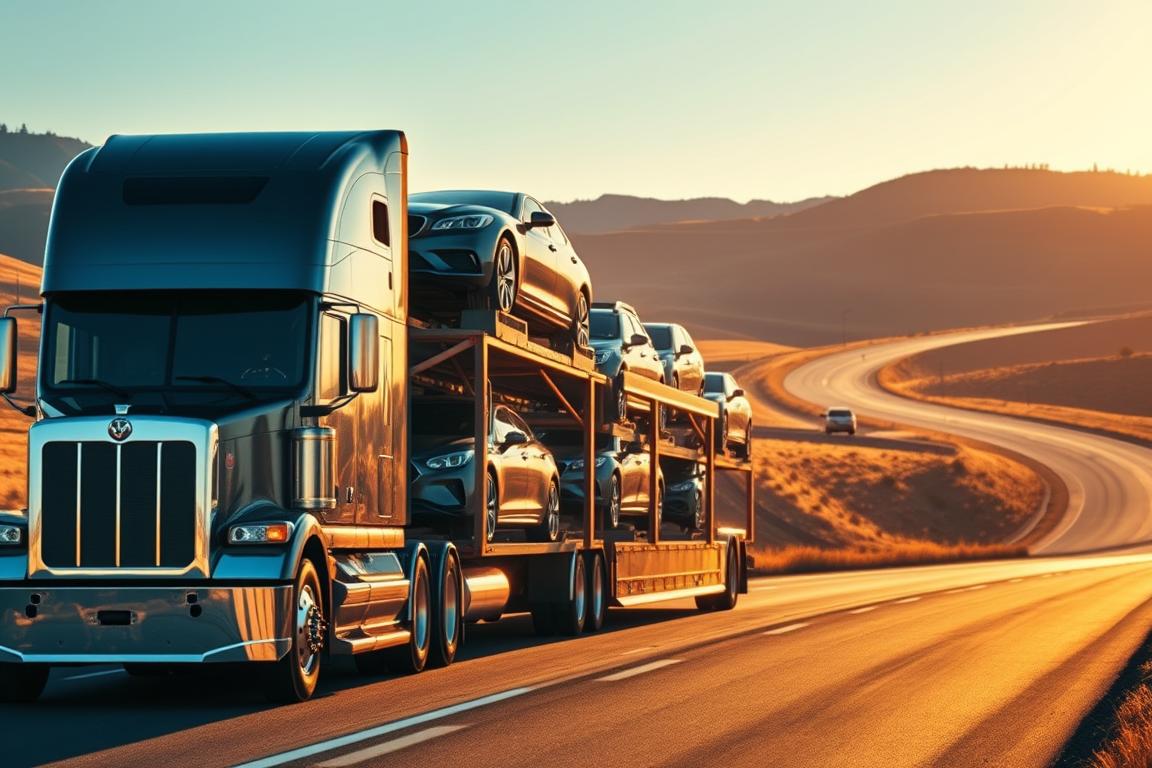
Our nationwide network moves cars along major corridors and local streets with clear planning and reliable timing.
Coverage and routing: We coordinate routes that use I-87, I-90, and I-95 to link New York with the rest of the country. That lets carriers reach nearby towns and city centers efficiently.
Service matching: We pair your needs with open or enclosed options and offer door-to-door when access allows. This keeps your vehicle on a schedule that fits your timeline.
“Clear pickup instructions and local knowledge reduce delays and protect your car during hand-off.”
We estimate transit time from distance, season, and lane demand. If traffic or weather changes the plan, we send timely updates.
- Practical pickup guidance for dense cities and remote areas.
- Multi-stop coordination that secures vehicles with standard loading procedures.
- Plain-language checklists for documents and driver paperwork.
| Service | Best for | Typical benefits |
|---|---|---|
| Open carrier | Everyday cars | Lower cost, fast lanes |
| Enclosed carrier | Luxury or classic vehicles | Extra protection, weather shield |
| Door-to-door | Convenience needs | Direct pickup/drop-off where feasible |
Why professional auto transport drivers matter

A skilled team behind the wheel makes a measurable difference in how your car arrives and how much time you save.
Experience that protects your vehicle and your time
We rely on hands-on experience to anticipate risks like clearance angles and weather delays. That planning keeps your vehicle secure and reduces time at pickup and delivery.
An experienced operator uses soft straps, wheel nets, and proper loading geometry to avoid underbody contact. These methods lower the chance of cosmetic damage.
Driver vetting, training, and route optimization
We verify licensing, safety history, and recent performance before anyone represents our company. This simple check translates to safer service you can trust.
- Training priorities: secure tie-downs, careful loading, and gentle braking.
- Route planning balances fastest lanes with safer alternatives in storms or construction.
- Clear communication: arrival windows and access notes keep everyone aligned.
When to choose a dedicated driver versus multi-car trucking
Dedicated one-on-one moves reduce loading cycles and may cut cosmetic risk. Multi-car trucking offers lower cost and more schedule options for longer routes.
“Match your choice to vehicle value, ground clearance, deadline flexibility, and pickup constraints.”
Quick checklist: vehicle worth, clearance, deadline, pickup space, and budget. We guide you to the right way and provide clear documentation for every step.
Safety, compliance, and insurance built into every delivery
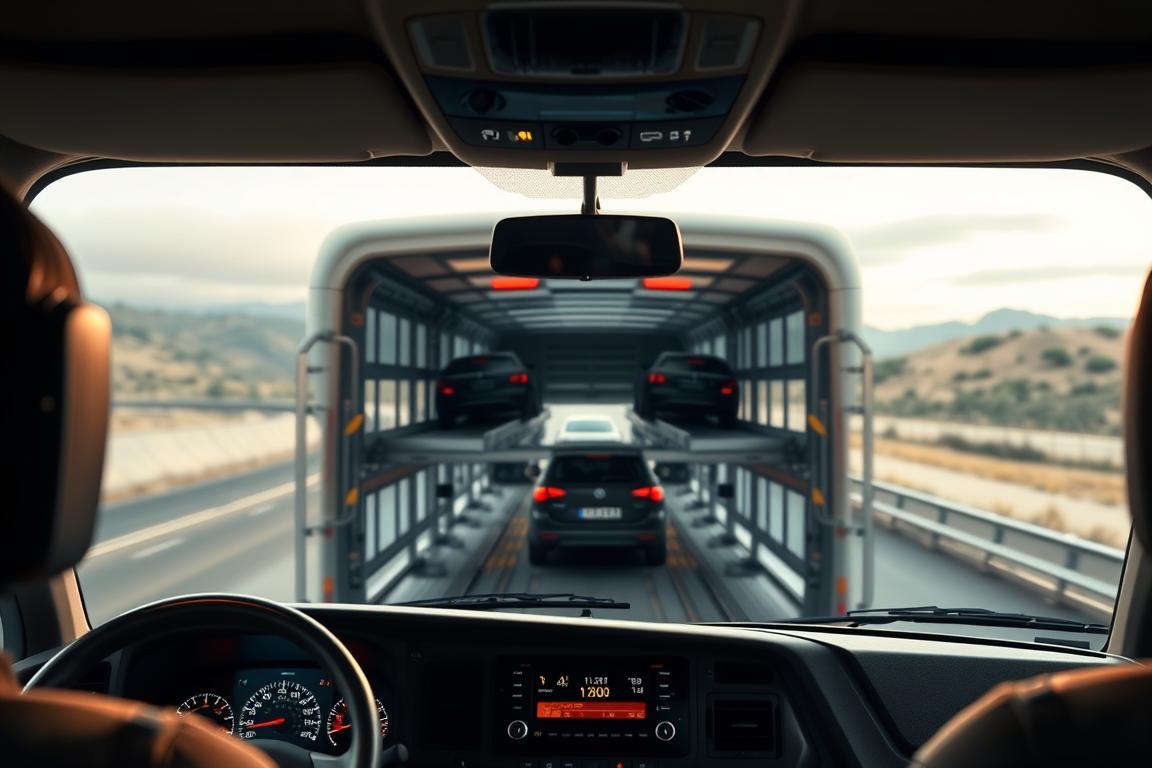
We design a clear, verifiable system so your vehicle arrives as promised.
DOT and FMCSA compliance means licensed drivers, hours-of-service limits, and inspected equipment. These rules reduce fatigue and mechanical risk so your car moves under safe conditions.
Bill of Lading (BOL) acts as the inspection report and receipt at pickup and delivery. Review and add notes, take before/after photos, and keep a copy. Those details support transparent claims handling.
- Damage prevention: correct strap placement, clearance checks, and post-tension verification during loading and unloading.
- Insurance basics: most transit coverage protects physical damage in transit; personal items may not be covered.
- Claims steps: photograph at pickup, compare at delivery, note differences on the BOL, and report promptly with documentation.
“We perform walkarounds together at pickup and delivery so every mark is recorded and agreed upon.”
Our carrier maintenance and pre/post-trip inspections lower delay risk. Ask questions—our company will explain each step in plain language and document the process so you can verify every detail of the transportation.
Service options built around your vehicle and route
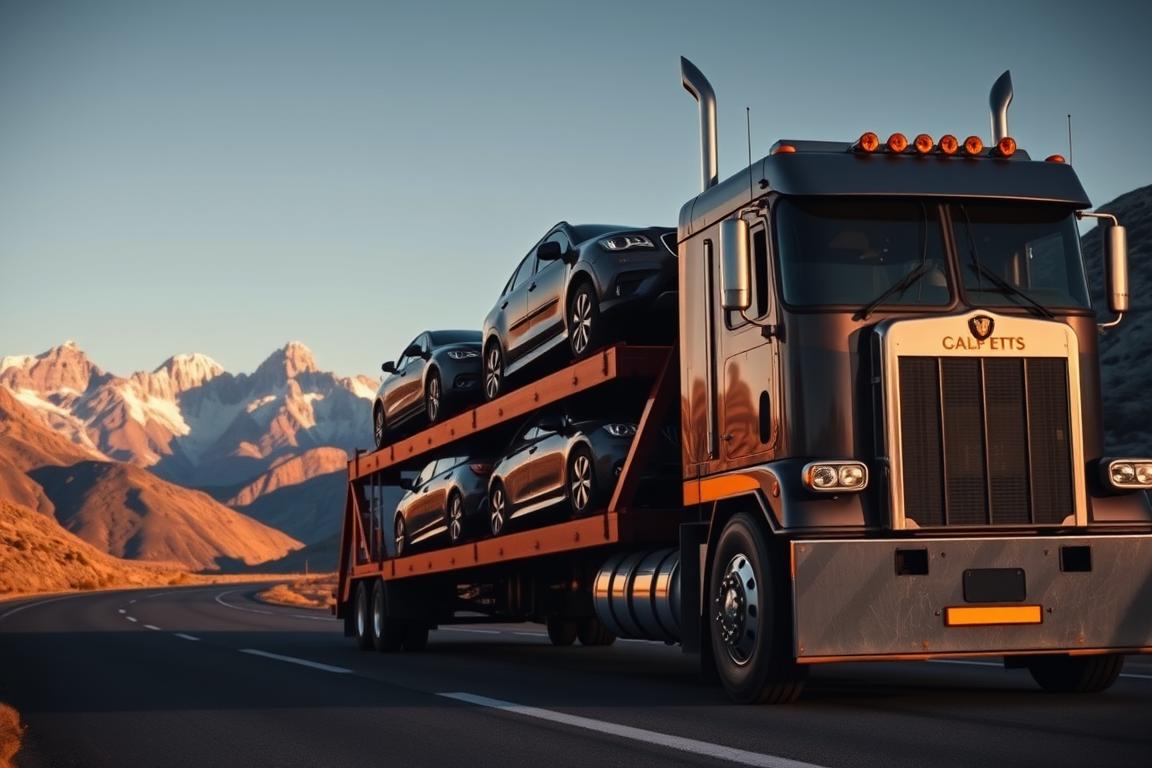
We match the right carrier and handling to reduce risk and keep your schedule on track.
Open carrier for everyday cars
Open carriers are the budget-friendly standard for most car types. These trailers carry multiple vehicles and cut cost by sharing space.
Expect exposure to weather and road debris, but experienced teams use secure tie-downs and placement to lower risk.
Enclosed protection for high-value cars
Enclosed carriers shield luxury, classic, or exotic cars from the elements. Lift-gate loading and soft tie-downs reduce stress on paint and trim.
Choose this type when paint condition, rare parts, or low clearance make extra protection worth the premium.
Specialty vehicles and unique handling
Motorcycles, RVs, and boats need specific equipment and trained crews. We select single-car or dedicated solutions when a vehicle requires custom handling.
- Pickup and delivery access, timing, and neighborhood rules shape the carrier choice.
- We document condition with photos and a signed inspection at pickup and delivery.
- Cost drivers include season, lane demand, and distance—so we explain options up front.
| Service | Best for | Why choose |
|---|---|---|
| Open carrier | Everyday car | Lower cost, common routes |
| Enclosed carrier | High-value vehicle | Weather and debris protection |
| Specialty | Motorcycle, RV, boat | Dedicated equipment and handling |
“We align the service to your needs, balancing protection, timing, and budget.”
Nationwide network and carrier partnerships you can trust

We connect your car quickly to qualified partners across the country, so scheduling is faster and simpler. Our process reduces handoffs and matches the right carrier with the right equipment for each move.
20,000+ carriers and millions of vehicles posted each year
Scale matters. Central Dispatch reports access to 20,000+ carriers and over 10,000,000 vehicles posted annually. That depth gives us options and choice when planning your pickup.
Digital dispatch, ratings, and real-time visibility
We use digital dispatch and a unified dashboard to speed confirmations and cut paperwork. Real-time visibility keeps you updated without extra calls.
Verified ratings for each completed job help us select partners with strong on-time records and careful handling.
Coverage from dense metros to hard-to-reach areas
Our network reach improves access in big cities and remote spots alike. That lowers delays and reduces risk of extra moves.
- Technology streamlines documentation and reduces pickup errors.
- Business customers get a single view for many shipments; individuals receive plain-language updates.
- We balance cost and coverage by choosing partners with the right lane expertise and equipment.
“Our partnerships are built on accountability, using transparent data and customer feedback to maintain high service standards.”
Our step-by-step transport and delivery process
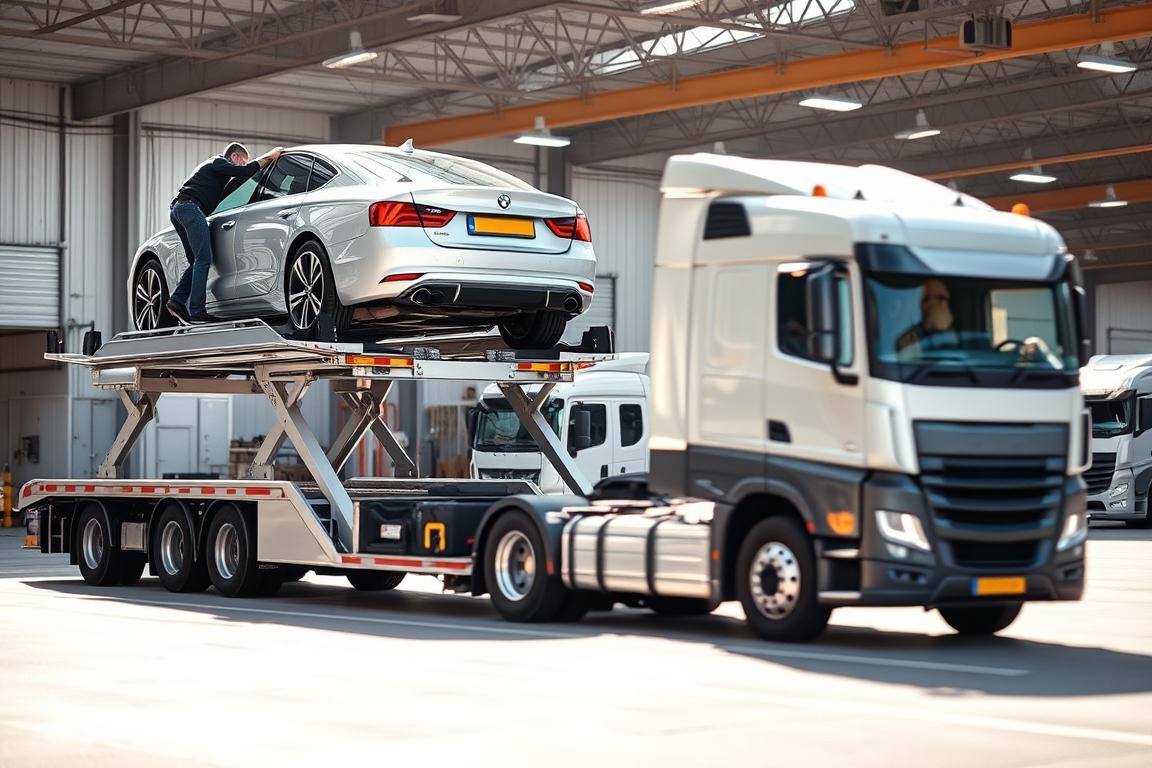
We follow a simple sequence so you can track the move and feel confident every step of the day.
Booking and pre-transport planning tailored to your needs
We begin with planning. Our team reviews route, vehicle notes, and timing to recommend open or enclosed service.
After you confirm, we send a clear quote and a pickup checklist that explains what to prepare and what the driver will need.
Vehicle pickup and documented inspection
At pickup we perform a joint inspection and record every panel on the Bill of Lading. We take photos and add signed notes so both parties share the same details.
We also explain how the carrier secures the car using industry-standard straps and anchors to protect the vehicle during transit.
In-transit updates and final hand-off
During transit we send status updates by text, call, or portal—your choice—so you can plan arrival and access.
On delivery we compare the vehicle to the pickup record. All findings go on the Bill of Lading before you sign, and we provide next-step guidance if anything needs attention.
- Clear timeline and expectations set at booking.
- Signed inspection with photos at pickup and delivery.
- Real-time updates and a safe, agreed meeting point for final hand-off.
| Step | What we do | Your benefit |
|---|---|---|
| Booking | Quote, service choice, checklist | Transparent cost and clear prep |
| Pickup | Joint inspection & Bill of Lading | Shared, documented condition |
| Transit & Delivery | Status updates & final inspection | Predictable arrival and verified hand-off |
Transit times, pricing, and ways to save money

Transit windows and pricing both respond to a few clear factors we track for every job.
What affects time and price: distance, seasonality, pickup and delivery accessibility, and vehicle type all matter.
Market Intelligence (Aug 2024) shows price per mile is down about 8¢ year over year, while average trip mileage rose by 202 miles. That shift can lower per-mile quotes but lengthen scheduling windows.
What affects time and price
Shorter runs mean quicker time; cross-country moves need realistic buffer days. For example, New York to Florida often takes 3–5 days, while NY to California commonly runs 6–8 days.
Open carriers are generally less costly than enclosed. Choose enclosed when the car’s value or condition justifies extra protection.
How to book strategically
Ways to save money: book early, avoid peak season, allow flexible pickup windows, and use terminal-friendly meeting points.
- Busy lanes often have more carriers and faster dispatch.
- Rural endpoints need wider windows to align equipment.
- Business shippers can combine loads; individuals should confirm accurate vehicle details to prevent re-dispatch.
“Plan with buffer days for across country moves so scheduling and travel align without surprises.”
Compare identical route details across quotes and insist on transparent pricing and clear documentation. That way you evaluate time, cost, and service level with confidence.
Preparing your car for pickup and hand-off
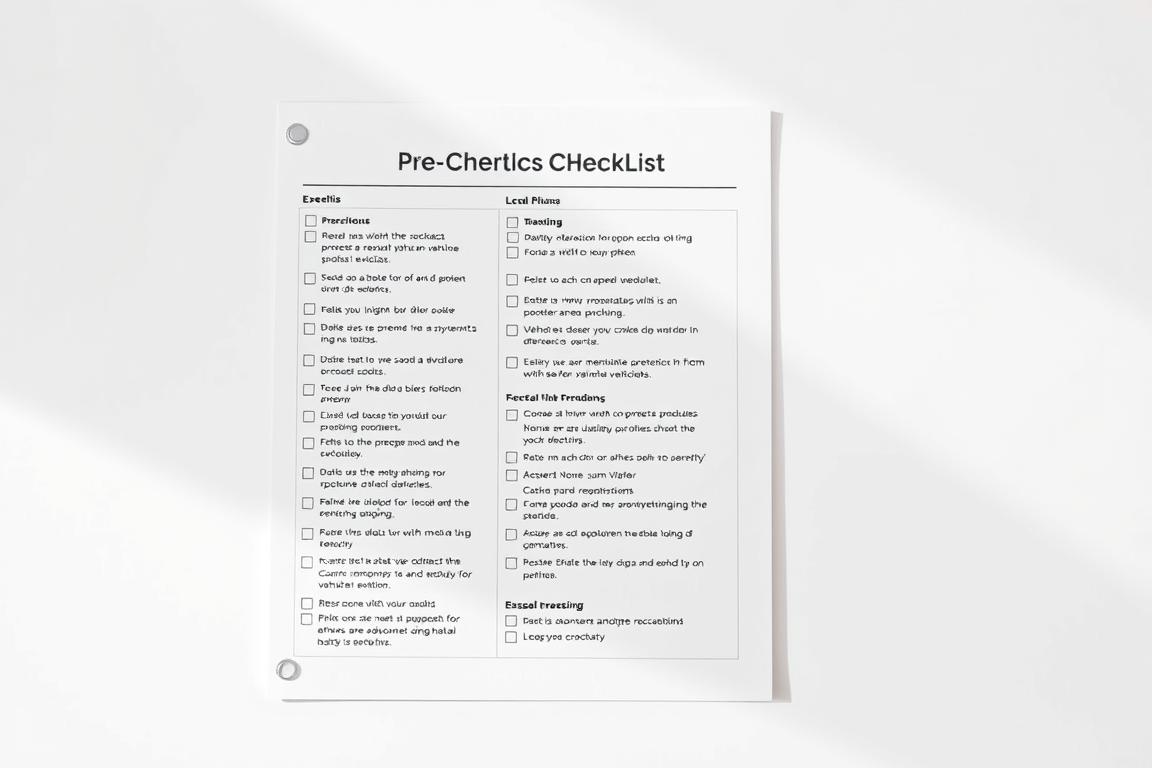
A clear pre-pickup routine prevents last-minute delays and saves time on the day of hand-off.
Pre-pickup checklist: Wash the vehicle so the inspection shows true condition. Take clear photos of all sides and note any existing scratches or dings.
Remove personal items to protect belongings and avoid coverage conflicts. Keep only factory tools or a spare tire if needed.
Keep about a quarter tank of fuel. That lowers weight but keeps the car drivable for loading and unloading.
Secure loose accessories, fold mirrors or antennas, and note these adjustments so the pickup moves quickly.
Receiving your vehicle: inspection and paperwork
At pickup we perform a joint walkaround and record every item on the Bill of Lading. Confirm that all written details match your photos and notes.
On delivery, compare the car to your pre-ship photos. Check bumpers, rocker panels, and common impact areas for new marks.
If you find an issue, photograph it, ask the carrier to note it on the paperwork, and contact our support team immediately for next steps.
Accessibility note: We offer alternative communication formats and step-by-step reminders so the process meets each customer’s needs.
| Action | Why it matters | Quick tip |
|---|---|---|
| Wash & photograph | Shows existing condition clearly | Use natural light, take 6–8 angles |
| Remove personal items | Protects belongings and avoids coverage gaps | Pack items separately before pickup |
| Quarter tank fuel | Reduces weight while allowing movement | Refuel to ~25% the day before |
| Joint walkaround & BOL | Creates a shared, signed record | Compare against your photos before signing |
Why this helps: Thoughtful prep protects your time and can save money by preventing re-dispatches or delays caused by last-minute issues. Taking a few extra minutes during inspection often prevents problems later.
Auto transport drivers

We view drivers as skilled professionals who combine safe driving, careful loading, and clear communication to protect your car from pickup to delivery.
Before arrival, the driver reviews route notes, vehicle details, and access constraints so pickup goes smoothly. This prep reduces on-site delays and prevents surprise re-dispatches.
At pickup and delivery the driver conducts a joint inspection and records every mark on the Bill of Lading. That shared condition report protects you and the carrier if questions arise.
Loading follows best practices: soft-strap attachment points, suspension-aware angles for low cars, and tension checks after securing. We require slow, deliberate work rather than rushing to meet a window.
Our team supplies accurate paperwork and clear instructions so the driver coordinates with dispatch and you for realistic windows and timely updates.
“A respectful, transparent conversation with the driver is the best way to ensure your car transport meets expectations.”
Ask questions at hand-off—drivers are trained to explain each step, note discrepancies, and confirm unloading safely. Our company standards support their judgment to slow down and secure every vehicle properly.
Specialized transport solutions for specific needs
We offer services that adapt to the unique timing, access, and equipment needs of your move.
Door-to-door delivery: This service minimizes travel to terminals by coordinating pickup and delivery at safe, accessible meeting points when large trucks cannot reach an exact address.
Military relocations: We provide flexible pickup windows and documentation guidance that align with strict reporting dates. Our company works with you to ease scheduling pressure and confirm required paperwork.
Snowbird routes and seasonal timing: We plan north-to-south and back moves around seasonal peaks. Booking early secures better options for open or enclosed car transport and helps avoid capacity crunches.
Other specialized needs
Oversized or modified vehicles may need permits or extra equipment. We coordinate multi-stop loads so multiple vehicles move efficiently while each remains fully documented.
“Specialized services meet your needs with care, clarity, and flexible solutions that respect your timeline.”
| Need | Best service type | Key benefit |
|---|---|---|
| Door-to-door | Local pickup/drop | Maximum convenience, minimal terminal travel |
| Military | Flexible windows | Aligns with reporting and paperwork |
| Snowbird | Open or enclosed | Seasonal scheduling, budget vs. protection choice |
On the day of pickup: have clear access, keys, and documentation ready. We maintain accessible communication for you or a designated contact to ensure a smooth delivery.
Conclusion
Our promise: careful handling, clear paperwork, and timely updates from first call to final signature.
We use a documented process—joint inspection, Bill of Lading notes, and photos—so your car and any other vehicle arrive as agreed. Our network of 20,000+ carriers and digital dispatch tools help match the right carrier quickly.
Professional verification, methodical inspections, and plain-language updates save you time and money. Choose open, enclosed, or specialty service based on value, route, and timing.
Contact us with your route and schedule. We’ll recommend the best way forward and coordinate with a reputable carrier to get your move done safely and clearly.
FAQ
-
What makes our professional auto transport drivers different?
We hire experienced carriers with verified records, thorough vetting, and ongoing training. Our team uses route optimization and modern technology to protect vehicles and respect delivery windows. We focus on clear communication so customers and caregivers know what to expect during every mile of transit.
-
How do you ensure safety and regulatory compliance?
We require DOT and FMCSA compliance from every carrier and provide a clear Bill of Lading at pickup. Vehicles move with documented inspections, secure loading practices, and protocols that reduce damage risk. Insurance options and claims handling are explained up front so customers understand coverage during transit.
-
What service options are available for different vehicle types?
We offer open carrier shipments for everyday cars and enclosed carriers for luxury, classic, and exotic vehicles. For specialty vehicles or ones with unique handling needs, we arrange tailored equipment and experienced personnel to meet size and safety requirements.
-
When should I choose a dedicated driver versus multi-car trucking?
Choose a dedicated driver when you need door-to-door scheduling, rapid transit, or extra attention for high-value vehicles. Multi-car trucking is more cost-efficient for standard cars with greater flexibility on pickup and delivery dates. We help match the option to your priorities: timing, budget, and vehicle condition.
-
How do you calculate transit times and pricing?
Transit time and price depend on distance, seasonality, vehicle type, and route complexity. Fuel costs, market demand, and carrier availability also affect rates. We provide transparent estimates and tips to save money, like flexible pickup windows and off-peak scheduling.
-
What should I do to prepare my car for pickup?
Clean the vehicle, remove personal items, and take photos for documentation. Leave minimal fuel (about a quarter tank), disable alarms, and note any existing damage. Our pre-pickup checklist and the inspection report at pickup protect both you and the carrier.
-
How do in-transit updates and final delivery work?
We offer real-time visibility via digital dispatch and status updates from our network. Drivers send location and condition reports during transit. At delivery, we conduct a final inspection, complete the Bill of Lading, and confirm acceptance to ensure a smooth hand-off.
-
What insurance and damage prevention protocols do you provide?
Carriers must carry public liability and cargo insurance that meets regulatory minimums. We explain coverage limits and offer supplemental options when needed. Damage prevention includes secure loading, straps, and routine driver training focused on reducing handling risks.
-
Do you provide services nationwide, including remote areas?
Yes. Our network spans dense metropolitan regions and hard-to-reach locations across the country. We partner with thousands of carriers to maintain coverage and route flexibility, ensuring pickups and deliveries even in less accessible areas.
-
Can you handle specialized moves like military relocations or seasonal routes?
Absolutely. We offer military relocation support with flexible scheduling and documentation assistance. For seasonal needs like snowbird moves, we plan around peak windows and optimize routes to save time and money while maintaining service reliability.
-
How do you vet and rate carriers in your network?
Carriers undergo verification of licenses, insurance, and safety records. We use customer ratings, performance data, and digital monitoring to maintain quality. Poor performance triggers re-evaluation or removal from the network to protect our customers.
-
What should caregivers or people with disabilities know about your services?
We prioritize accessibility and clear communication. Our team explains each step in plain language, offers flexible pickup options, and coordinates paperwork to reduce stress. If additional assistance is needed at pickup or delivery, we accommodate reasonable requests to ensure a safe, dignified process.