
Montway vs John 3:16 Transport – Which one is better, and for whom? In short, choose John 3:16 Transport when you want direct carrier control and clearer timelines, and pick Montway when you prefer a broker marketplace for quick quotes on common routes.
Shipping a vessel raises lots of questions fast — price swings by season, permits for wide loads, and special routing for tall profiles. This guide gives data-driven information so you can compare apples to apples.
Quotes vary because of dimensions, permits, and peak season demand. That makes budgeting and scheduling stressful if you lack clear, side-by-side facts about company models and services.
We show average ranges, timeline differences, and service trade-offs so you can pick the right provider for your route and timing. You’ll learn what affects price and how to lock a reliable slot with confidence.
For detailed insights and a comparison of car shipping providers including Montway and others, see this Best Car Shipping Companies of 2025 overview by FreightWaves which highlights reputations, service offerings, and pros and cons relevant to both carriers and brokerages.
Summary
Table of Contents
Understanding today’s boat transport pricing landscape in the United States
Today’s market mixes steady lanes and volatile routes, which drives wide pricing swings. Carriers and brokers build quotes from measurable inputs: distance, size and weight, permits, fuel, and seasonal demand. Knowing those drivers helps you set realistic expectations before you request a quote.
Typical ranges and real-world data
Real-world figures usually fall between $1.25 and $4.00 per‑mile. The May 2024 median was about $1.85 per mile, while summer demand pushed some lanes near $3.67 in July. Very wide or heavy yachts routinely exceed those bands.
Seasonality and route effects
Spring and summer bring higher demand and higher rates. Fall and winter often offer easier scheduling and lower prices. Long cross‑country trips tend to lower the per‑mile number, though total charges rise.
Key factors that move prices
- Beam over 8’6″ usually needs permits; over 12′ often raises rates to the higher band.
- Route complexity, low bridges, escorts, and local restrictions add fees.
- Fuel, weight, and freight market trends shift quotes through the year.
Tip: Measure beam, length, height, and have exact pickup and delivery addresses ready. That saves time and yields more accurate offers from companies and transporters.
Additional insights into how mileage impacts car transport pricing and what typical price ranges per mile are can be found in How Much Does It Cost to Ship a Car in 2025? by RoadRunner Auto Transport.
Side‑by‑side comparison table: pricing, services, coverage, timelines, and extras

A clear, compact comparison helps you see how quotes and timelines actually stack up. Use the quick view below to shortlist providers by price bands, service types, and reliability. Then request live quotes to confirm current availability.
| Attribute | Typical Range / Note | What to verify | Why it matters |
|---|---|---|---|
| Pricing | $1.50–$4.00 (small/mid); 12’+ beams: $2.75–$3.75 | Itemized quotes, fuel & surcharge details | Shows true cost per mile and hidden fees |
| Service types | Open vs enclosed; door‑to‑door; permit handling | Tracking, prep guidance, permit/pilot car included? | Matches protection level to value and risk |
| Coverage & timelines | Nationwide corridors; longer hauls can lower rates | Pickup window, estimated transit time, seasonal delays | Sets realistic delivery expectations |
| Reputation & extras | DOT/FMCSA credentials, insurance, reviews | Recent customer feedback for similar load and route | Confidence in delivery and claims handling |
Quick checklist: Confirm DOT/FMCSA credentials, insurance limits, and whether quotes list included services and surcharges. Ask who handles permits and pilot cars for oversize loads.
“Transparent quotes that list included services and potential surcharges save time and money.”
Use this snapshot to narrow choices by what matters most to you: price band, speed, or hands‑on support. Once you have a shortlist, request updated quotes for current rates and exact transit time for your route and season.
What is Montway?
Montway operates a broker marketplace that connects your shipment to a vetted national network. You submit details and multiple carriers can bid, giving you options on timing, price, and service level.
Overview of services for boats and specialty transports
Montway sources carriers that have the right trailers, permits, and experience for oversized or specialty loads. For a complex move, they look for teams familiar with marina handling and escort requirements.
- Matches your job to vetted carriers across nationwide routes.
- Finds equipment and permits suited to your vessel’s dimensions and weight.
- Offers choices on tracking, communication, and timing.
Broker model, national reach, and quote process
To get an accurate quote, provide exact length, beam, height, weight, pickup and delivery addresses, and preferred dates. The job is broadcast and carriers submit bids that list included services, possible surcharges, and estimated transit times.
Best practice: verify DOT/FMCSA credentials and insurance for the assigned carrier. Confirm who will handle permits and pilot cars when the beam exceeds 8’6″.
Quick takeaway: Montway’s broker approach can speed up finding competitive offers on common lanes, while you retain control to prioritize timeline, service extras, or overall cost.
What is John 3:16 Transport?
John 3:16 Transport is a licensed, insured Georgia-based carrier that offers nationwide door-to-door transport across 48 states. You get a single point of contact and fewer handoffs because we run our own fleet and schedule pickups directly.
Open vs enclosed options
Open trailers are efficient and common for standard moves. Enclosed trailers add protection for higher-value items and specialty loads.
For boats and oversized pieces, we match trailer type, securement, and permits to your size and weight. That reduces damage risk and claim headaches.
Who benefits most
- Individuals, families, and military relocations who need predictable service.
- Dealerships and auctions that want reliable pickup windows.
- Anyone who prefers fewer transfers and direct carrier accountability.
Insurance and fair pricing
We verify insurance and provide clear documentation so you know what’s covered and how to prepare. Our pricing reflects your vehicle’s weight and size, route length, and seasonality.
| Feature | What it means | Why it matters |
|---|---|---|
| Direct carrier | We control trucks and schedules | Fewer handoffs, clearer timelines |
| Equipment options | Open or enclosed trailers | Choose protection that fits value and budget |
| Insurance | Verified limits and documentation | Faster claims resolution and peace of mind |
| Nationwide service | Door-to-door across 48 states | Convenience and consistent updates |
“Direct carriers reduce transfers and give clearer pickup windows, which improves reliability and lowers claim risk.”
How they are different
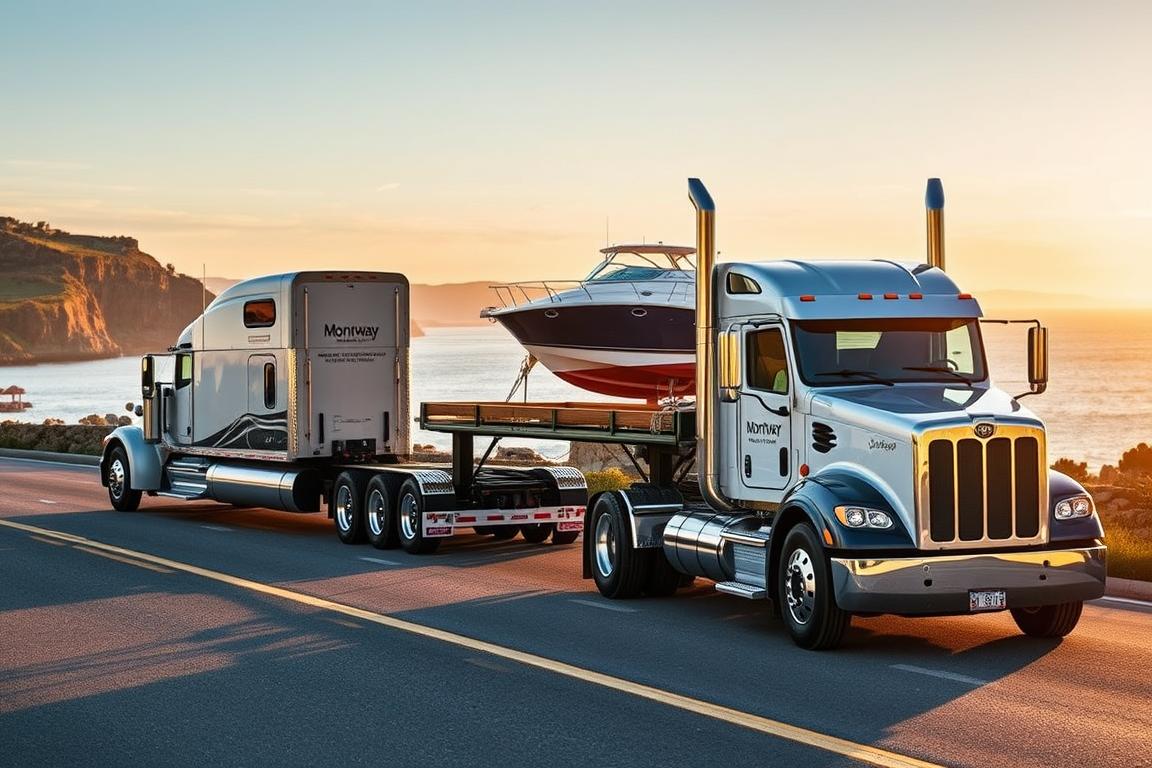
How pricing is quoted and who runs the move shape your experience from day one. Brokers invite multiple carriers to bid, while a direct carrier calculates a single, itemized rate based on fleet availability and route specifics.
Pricing structure and transparency
In a marketplace model, you’ll often see competing quotes that can push prices lower on common lanes. That can help when demand is steady.
With a direct carrier, you get a detailed quote from one operator. That reduces surprise fees and makes permit and escort costs easier to track.
Operational control
Brokers coordinate across many carriers and schedules, which gives you options but adds handoffs. A carrier controls its own fleet and can tighten pickup windows and manage routing directly.
Peak seasons and availability
Summer brings higher demand and higher prices. Brokers may find multiple slots on busy routes. Direct carriers can prioritize customers and keep service steady when seasons spike.
For a clear comparison of broker versus direct carrier roles, control, and customer experience, see this detailed guide on Auto Transport Broker vs. Car Carrier: What’s the Difference? by JP Auto Transport which breaks down responsibilities, pricing factors, and service nuances.
Oversize handling and permits
Beams over 8’6″ require permits and sometimes pilot cars. Confirm who secures permits and how those fees are shown in your quote. That prevents last‑minute add‑ons.
Support and issue resolution
Brokers route support through coordinators. Carriers give a direct line to the team moving your load, which often speeds problem solving and clarifies liability.
- Ask for itemized quotes that list permits, escorts, and marina handling assumptions.
- Confirm who is responsible for each fee before you book.
- Compare transparency and control against your priorities: lowest prices or steadier timelines and direct accountability.
Additionally, Understanding Auto Transport Brokers vs Direct Carriers from The Car Carriage offers insights on how operational control and communication differ, helping you decide based on your service priorities.
“Clear, itemized quotes and a single point of contact reduce stress and unexpected charges during shipping.”
How they are similar
Both providers share core strengths that simplify your move. You get nationwide door-to-door service that reduces terminal transfers and limits extra handling between origin and destination.
Nationwide coverage and door‑to‑door convenience
Both companies coordinate direct pickup and final delivery across major U.S. corridors. That coordination helps keep timing predictable and lowers handling risk during transport.
Insurance verification and documentation requirements
Verify DOT/FMCSA credentials and ask for proof of insurance before booking. Each provider requires accurate measurements, photos, and paperwork to produce a correct quote and avoid re-rating at pickup.
Preparation standards to avoid damage and extra fees
Prepare your boat for shipping by securing hatches, removing loose gear, and lowering masts or towers when needed. Take condition photos at pickup and delivery to create a clear record for any claim.
- Defined process: scheduling, dispatch, transit updates, and final inspection.
- Coordination with the marina or yard to streamline loading and unloading.
- Both approaches emphasize safety, documentation, and predictable delivery to the destination.
“Clear documentation and proper prep cut surprises and make shipping smoother.”
Comparison of key features
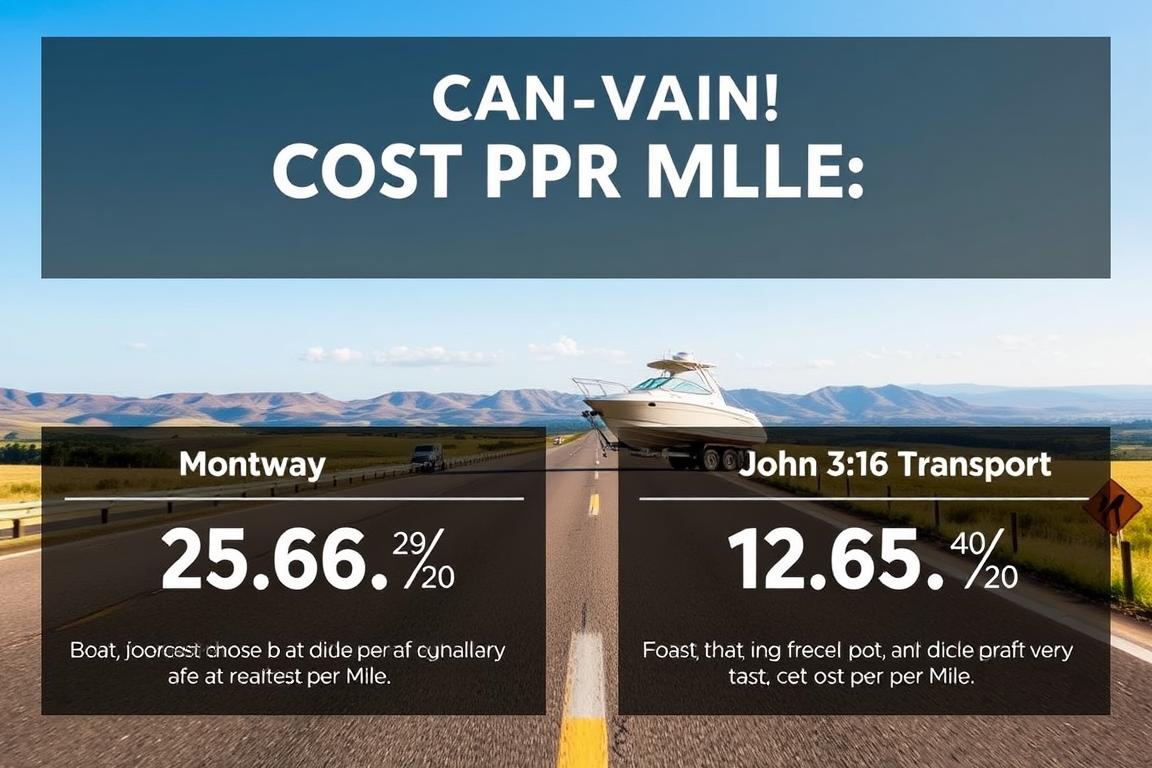
A crisp side‑by‑side look helps you see how pricing, services, and timelines actually differ between providers. This makes it easier to pick the method that fits your route, size, and schedule.
Average cost per mile and how quotes are built
Overland shipping typically ranges $1.50–$4.00 per mile; beams over 12′ trend $2.75–$3.75. Longer distance often lowers the per mile number, while oversize beams push rates higher.
Both companies will ask for exact length, beam, height, weight, full addresses, and target dates to calculate permits, escorts, and realistic timelines.
Service types and coverage depth
Overland transport is the common option. You can choose open or enclosed trailers based on value and exposure risk.
Brokers tap broad carrier networks for wider lane coverage. Direct carriers emphasize fleet control and consistent dispatch on major U.S. routes.
Reputation, timelines, permits, and extras
- Reputation & claims: Prioritize firms with verified insurance and positive reviews for similar boats.
- Pace & reliability: Ask about pickup windows by distance and how on‑time performance is tracked.
- Permits: Clarify who secures state oversize permits and pilot cars for beams over 8’6″ and how fees appear in your estimate.
- Extras: Look for proactive tracking, clear communication cadence, and prep assistance to avoid marina surprises.
“Transparent, itemized quotes and a steady communication rhythm reduce surprises and speed problem resolution.”
Pros and cons of Montway
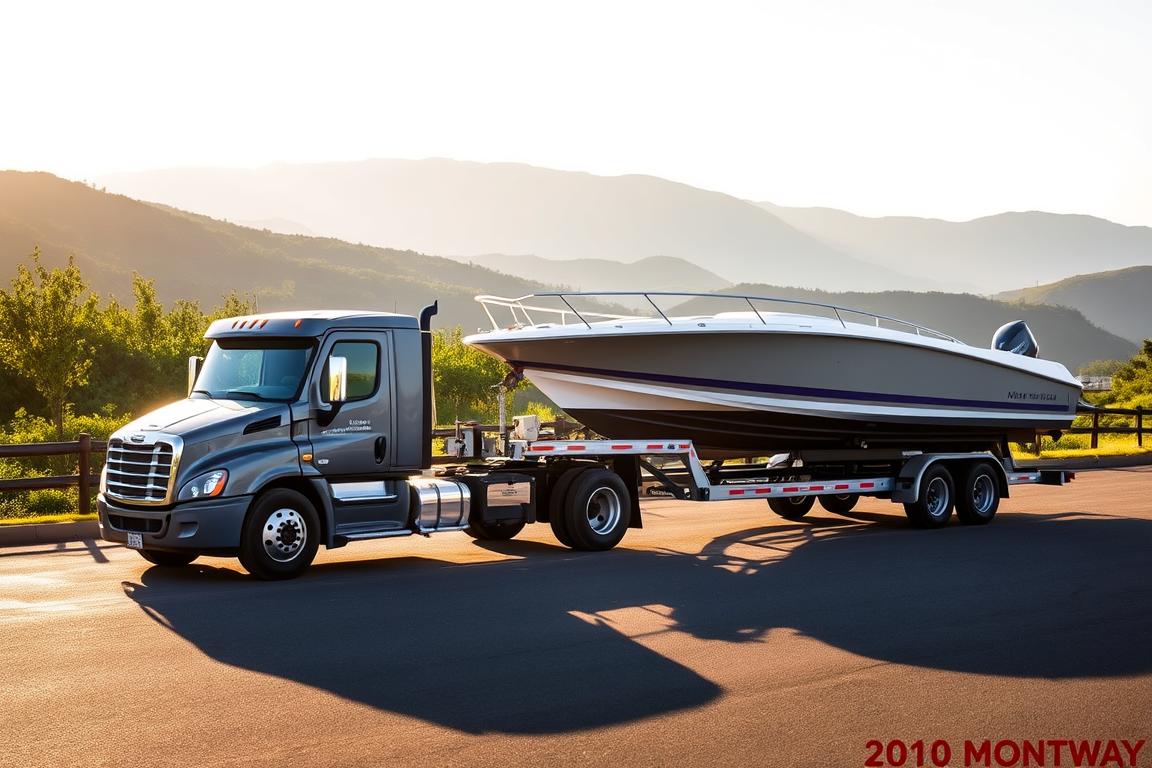
Montway’s broker approach can save you time when you need multiple bids on common lanes. It works by broadcasting your job to a network so carriers can respond with offers. That often creates competitive boat transport pricing and flexible options.
Where it shines
- Competitive prices: Multiple carriers bid, which can lower the per mile figure on busy corridors.
- Flexible sourcing: Coordinators can repost jobs quickly if your dates change.
- Faster matches off‑peak: In slower months you may secure slots and better quotes faster.
- Convenience: You get a shortlist of options without calling many companies yourself.
Potential trade‑offs to consider
You may have less direct control over the exact truck and driver assigned. That can affect communication and precise pickup windows.
- Ask for a transparent quote that lists permits, escorts, and any add‑ons.
- For oversize loads, confirm the carrier’s experience and who handles pilot cars and state permits.
- Request clear time estimates and escalation contacts to ensure quick support if needed.
Tip: Always compare itemized quotes to know what’s included before you book.
Pros and cons of John 3:16 Transport
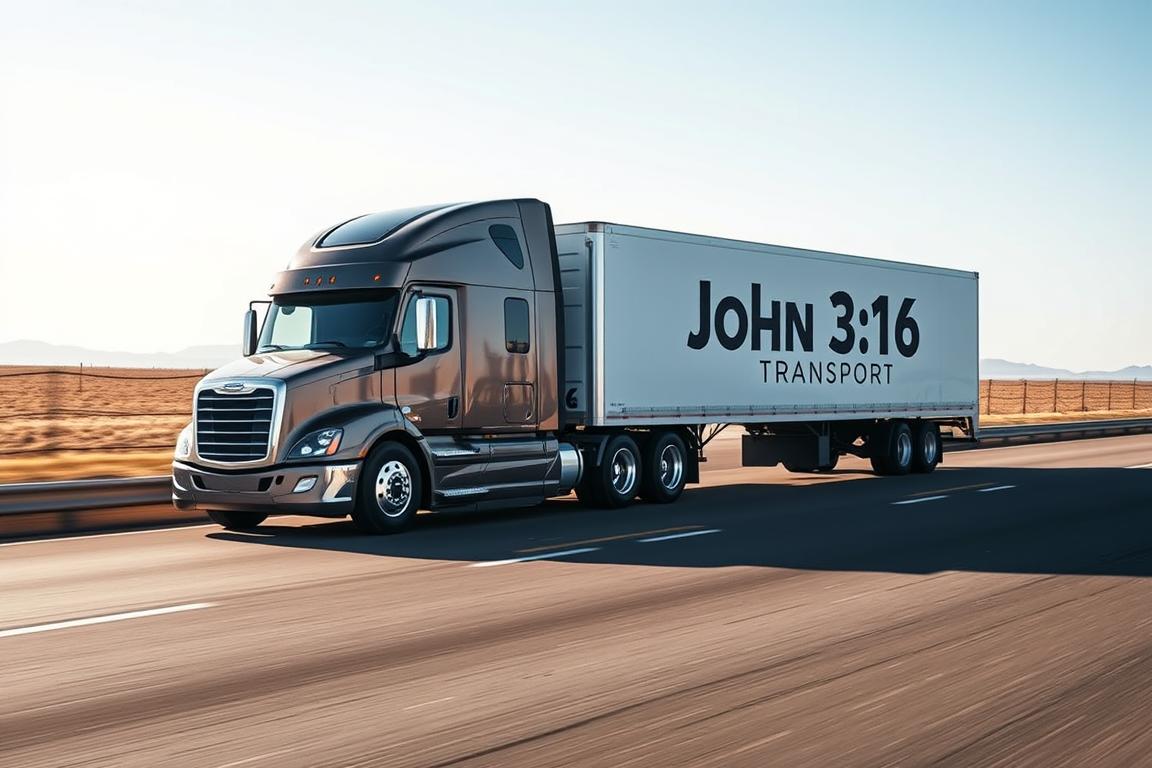
John 3:16 Transport emphasizes control and clear responsibility from pickup to destination. You get a single point of contact and in-house scheduling that reduces handoffs and uncertainty.
Where John 3:16 Transport shines
Direct‑carrier control means we manage trucks, crews, and routing. That gives you predictable windows and consistent securement standards for your boat.
Insured door‑to‑door care comes with verified documentation so you know what is covered before the truck arrives. We keep communication clear with regular updates.
- Fleet-level scheduling with a dedicated contact from quote to delivery.
- Transparent insurance and paperwork for peace of mind.
- Fair pricing that reflects route length and vessel size.
Potential trade‑offs to consider
Limited flexibility can occur during peak season or when our fleet is booked. Booking earlier reduces the chance of delayed dates.
On unusual routes we explain options and sequencing to protect timing and budget. That way you can weigh steady service against marketplace flexibility.
“Direct carriers reduce transfers and give clearer pickup windows, which improves reliability and lowers claim risk.”
Boat Hauling Cost per Mile: what really drives your quote

Understanding the main factors helps you plan and avoid surprises. A few measurable items shape the final price: dimensions, route complexity, seasonality, and marina services. When you control those elements, you control risk and overall cost.
Size, beam, and height thresholds that trigger permits and escorts
Dimensions are the biggest factor. A beam over 8’6″ requires oversize permits and often pilot cars. Beams over 12′ typically fall into the $2.75–$3.75 per‑mile band.
Height above 13’6″ may need route changes or special equipment. Measure length, beam, and height carefully to avoid re‑rating at pickup.
Distance discounts, route complexity, and fuel dynamics
Long distances can lower the cost per mile, but the total will still rise with distance. Fuel, weight, and securement needs affect quotes week to week.
Complex routes with low bridges or tight turns add permits and time. Share exact pickup and delivery addresses early so carriers or brokers can plan correctly.
Seasonal demand patterns and how timing lowers costs
Spring and summer push demand and raise pricing. Booking in fall or winter usually gives better availability and more competitive quotes.
Tip: Flexible pickup windows and off‑peak scheduling can save money and reduce delays.
Marina handling, haul‑out/launch fees, and how to avoid surprises
Budget for marina fees: haul‑out, blocking, and launch are typically billed per foot and billed separately from transport. Confirm these charges before booking.
Prep your vessel: remove loose gear, secure hatches, lower masts/towers, and drain tanks if instructed. Take clear before-and-after photos and complete a condition report to protect against claims.
“Accurate measurements and a clear, itemized contract are the best tools to keep overall cost predictable.”
- Verify DOT/FMCSA credentials and insurance limits.
- Ask who handles permits and pilot cars for oversize widths.
- Get itemized quotes that list marina services and potential surcharges.
Verdict and detailed summary: which gives you better value?
Deciding which route to take is simpler when you match the provider to your priorities. Think about control, transparency, and the route complexity. That will guide you to the best option for safe, reliable transport.
Choose John 3:16 Transport when you need direct‑carrier control
Pick this option if you want a single point of contact, insured door‑to‑door care, and steady updates. We manage trucks and schedules, which helps reduce handoffs and surprises.
For tight pickup windows or destination access limits, a direct carrier often streamlines marina coordination.
Choose Montway when you want marketplace access and competitive bidding
Pick this option if you prefer multiple bids on common lanes and flexible dates. A broker can surface lower numbers on busy corridors and find alternatives fast.
If your dates are flexible and the route is standard, marketplace competition may lower your overall cost.
Distance, season, and size scenarios: who wins on value
- Long distance moves: per mile often trends lower. Compare a direct carrier’s steady communication with a broker’s potential lower bids.
- Peak summer: direct fleets can protect timelines when demand spikes.
- Oversize widths: permits and pilot cars matter more than the lowest headline rate—clarify who is responsible.
Bottom line: match the option to your priorities. Choose John 3:16 Transport for control, clear paperwork, and coordinated marina handling. Choose Montway for broad marketplace reach and competitive bidding on common routes. Always request identical quotes with the same inputs to compare true overall costs and timelines before you book.
“Transparent, itemized quotes and a single point of contact reduce stress and unexpected charges during shipping.”
Conclusion
A clear plan and exact measurements make comparing offers simple and fair.
Costs vary based on size, distance, season, and route, so gather precise dimensions and weight before you request quotes. That information keeps prices predictable and helps transporters avoid re‑rating at pickup.
The process is straightforward when you prepare: measure the vessel, photograph condition, confirm marina services at origin and destination, and verify DOT/FMCSA credentials and insurance limits with carriers.
Decide what matters most — timeline, control, or market bids — then request two or three quotes with identical inputs. When companies receive the same details, comparisons reveal true value.
Next step: collect measurements, set your preferred dates, and request matched quotes so you can pick the best hauler with confidence and peace of mind.
FAQ
How do carriers typically calculate transport pricing for a vessel?
Pricing is built from several line items: distance, vehicle dimensions (length, beam, height), gross weight, required permits or escort vehicles, fuel surcharges, and seasonal demand. Carriers add handling fees for marina pickup or specialized cradles. Brokers may add a service fee on top of the carrier quote, while direct carriers bundle costs into one invoice.
Will size and beam trigger extra permits or pilot cars?
Yes. Widths above state-defined limits, tall superstructures, or very long hulls often need oversize permits and sometimes pilot cars. That raises the route cost and can slow transit time because of restricted travel windows. Always share accurate dimensions when you request a quote.
Are there real-world price differences between a broker marketplace and a direct carrier?
Generally, broker marketplaces like Montway can produce more competitive bids on common routes because they access many carriers. Direct carriers such as John 3:16 Transport offer more operational control and often clearer single-source accountability. Which is cheaper depends on route, season, and boat type.
How much does seasonality affect pricing and availability?
Peak seasons—late spring through summer—see higher demand, fewer open spots and rising fuel surcharges. Winter and shoulder seasons often have lower rates, but weather can affect timing. Plan early for summer moves to lock better rates and carrier availability.
What’s the difference between open and enclosed hauling for specialty vessels?
Open transport is more economical and common for everyday moves. Enclosed transport protects from road debris and weather and suits high-value or sensitive boats, but it costs more and may have limited availability for oversized loads.
Do quotes include insurance and claims handling?
Carriers must carry liability and cargo insurance, and reputable providers will verify coverage levels before pickup. Brokers typically confirm carrier insurance but may not be liable for carrier claims handling. Always request a certificate of insurance and ask how claims are processed.
How can I reduce the overall price without compromising safety?
Provide exact dimensions and weight, choose off-peak pickup dates, consolidate flexible delivery windows, and prepare the boat for transport to avoid delays. Removing loose gear and securing hatches reduces handling time and potential damage fees.
What extra fees should I watch for in quotes?
Watch for fuel surcharges, long‑carry or mileage minimums, marina crane or haul-out/launch fees, permit charges, waiting/detention fees, and broker convenience or cancellation fees. Ask for a full line-item estimate so you can compare offers fairly.
How long does a typical cross-country move take?
Transit time varies by route and stops but expect 5–14 days for coast‑to‑coast ground moves. Peak season, permit runs, and escorts for oversize loads can extend that window. Your carrier should provide a realistic ETA before pickup.
Who is best suited for a direct carrier vs. a broker?
Choose a direct carrier like John 3:16 Transport when you want single‑point accountability, consistent communication and insured door‑to‑door service. Use a broker such as Montway when you want competitive bids across a wide network and more options on common routes.
Do carriers handle required state permits for oversize loads?
Reputable carriers and brokers coordinate permits as part of the service for oversize runs. Confirm who obtains permits, the expected lead time, and whether pilot cars are required so there are no surprises on pickup day.
What documentation should I prepare before pickup?
Have a bill of sale or title, photo ID, proof of insurance, a complete inventory of loose items, and accurate measurements. If the boat has modifications or trailers, disclose those details. Proper documentation speeds pickup and protects you in a claim.
How do I compare quotes effectively between providers?
Compare total landed price, not just an advertised per‑mile rate. Look for included services, insurance limits, permit handling, transit time, and cancellation terms. Request written quotes and read recent reviews about claims handling and on‑time performance.
Can dealers, auctions, or fleet managers get different pricing?
Yes. Commercial shippers often receive volume discounts, dedicated scheduling and priority routing. If you ship regularly, negotiate a service agreement for better rates and guaranteed capacity during peak seasons.
What happens if weather or route issues delay delivery?
Delays from weather, road closures, or required escorts are common risks. Good carriers communicate proactively, adjust ETAs and document reasons for delays. Ask about contingency plans and any potential holding or storage fees in your contract.
How are fuel surcharges calculated and when do they change?
Fuel surcharges track national diesel indices and change frequently. Carriers add them to base rates to cover volatile fuel costs. Confirm the surcharge policy and the index they use so you can anticipate adjustments between quote and pickup.