

Want to save on the cheapest car shipping rates without risking your vehicle? You’re not alone. Many people fear low prices mean poor service or hidden fees. This guide shows how to balance cost with safety using clear, proven steps.
You’ll learn what goes into a reliable quote and why prices change by season, route, and carrier. We explain open vs. enclosed transport, typical per-mile ranges, and sample prices like standard open ~$855 or enclosed ~$1,530, so you know what a fair price looks like.
The cheapest rates usually come from doing the basics right (flexible dates + accurate details). Follow this 3-step car shipping method before you book.
See the 3 steps →By the end, you’ll have 13 practical hacks to ship car smart: how to feed a quote calculator, choose the right carrier, avoid rural surcharges, and verify insurance and the Bill of Lading. Expect fast, safe, and upfront service options that help you save time and money while keeping your vehicle protected.
Learn more about what goes into a reliable quote and cost factors in this guide to car shipping costs. Understand the differences between open vs. enclosed transport and typical per-mile costs. Use the car shipping cost calculator to get accurate quotes tailored to your shipment.
Summary
Table of Contents
What “Buyer’s Guide” Means for Car Shipping Today

This guide explains practical options and trade-offs so you can decide what level of protection and convenience fits your move. Relocators, online buyers, dealers, and fleets all use vehicle transport. Each group balances cost, speed, and risk differently.
Pick between door-to-door convenience and terminal-to-terminal savings. Choose open or enclosed carriers based on value and weather. Most people prefer a transporter over hiring a driver to avoid added miles and reduce risk on long trips.
- Clear choices: door pickup vs terminal drop-off.
- Protection levels: open for routine moves, enclosed for high-value vehicles.
- Brokers + networks: match your route to vetted carriers for better availability.
“Transparent quotes, published insurance, and clear pickup-to-delivery updates create real confidence.”
We show the red flags to watch for, the main factors that swing a quote, and how to set a realistic budget and timeline. Follow this buyer’s guide and you’ll save time, avoid surprises, and get a reliable service from quote to delivery.
For detailed information on the differences in protection levels: open vs enclosed car shipping, see why enclosed transport offers maximum security for high-value vehicles while open carriers remain a cost-effective, widely available option.
Learn more about choosing between door-to-door and terminal shipping and how brokers help connect you with trusted carriers.
How much does it really cost to ship a car in the U.S. right now?

Real costs depend on distance, timing, and whether you pick open or enclosed transport—so let’s break down current benchmarks.
Average ranges by mile and trip length
As of October 2025, the nationwide average to ship a vehicle sits near $1,215 for a median trip of 987 miles. That equals about $1.23 per mile at the median.
Per‑mile bands fall as distance rises: roughly $0.80/mi under 500 miles (250 mi ≈ $200), $0.73/mi for 500–1,000, $0.70/mi for 1,000–1,500, and down to about $0.33/mi for routes over 3,000 miles.
Sample route prices and why they fluctuate
Season and demand move prices. For example, NY→FL ranged near $1,315 in February and about $1,215 in October. CA→VA averages ~ $2,225. Urban endpoints often cost less thanks to more carrier availability.
Open vs enclosed: a quick comparison
Open transport is the most economical: under 500 mi open ~ $630 vs enclosed ~ $930. Midrange trips (500–2,500 mi) run ~ $1,135 open vs $1,550 enclosed. Tiered options—standard open (~$855), expedited (~$1,105), and enclosed (~$1,530)—help you match price and time.
Practical tip: enter real ZIPs, vehicle details, and a first‑available date into a quote calculator to confirm a fair number against these benchmarks.
Key factors that drive transport costs (and how to control each)

Several core drivers decide what your vehicle will cost to move, and knowing them helps you lower the bill without sacrificing safety.
Distance and route demand
Longer trips raise the total but usually lower the per-mile price. Plan early on busy corridors to catch full-trailer pricing and better availability.
Pickup and delivery locations: urban vs rural
Urban hubs let carriers bundle more vehicles. Rural stops add time and fees. If you can, choose a nearby terminal or flexible pickup radius to save.
Vehicle size, weight, and add-ons
Large or heavy vehicles cost more. Remove roof racks and accessories to reduce dimensions. Accurate size and weight specs produce fair quotes.
Vehicle condition: operable vs inoperable
Operable vehicles are cheaper to handle. Non-operable needs winches or dollies and extra labor. Make sure the vehicle can run, steer, and brake when possible.
Carrier type and speed
Open carriers are the budget choice. Enclosed transport adds protection at a higher price. Top-load positions cost extra but cut debris risk.
Expedited service shrinks transit time but raises the rate. Use it only when timing is critical.
Fuel prices and market conditions
Fuel and carrier supply flow through to quotes. Tight markets and high fuel push costs up until supply eases.
- Tip: Input honest specs and flexible dates into quote tools.
- Tip: Start or end in metro hubs to avoid rural surcharges.
- Tip: Keep the vehicle operable and strip extra accessories.
| Factor | Impact on Cost | How to Control |
|---|---|---|
| Distance & Route | Higher total, lower per-mile | Book early, use busy corridors |
| Pickup Location | Urban cheaper, rural pricier | Choose terminals or nearby metro points |
| Vehicle Size/Extras | Large or added gear increases fees | Remove racks; give exact dimensions |
| Condition | Inoperable needs special gear | Ensure it runs or budget for equipment |
| Carrier Type & Speed | Enclosed/top-load/expedited cost more | Pick based on value and timing needs |
Seasonality playbook: timing your shipment for the lowest prices
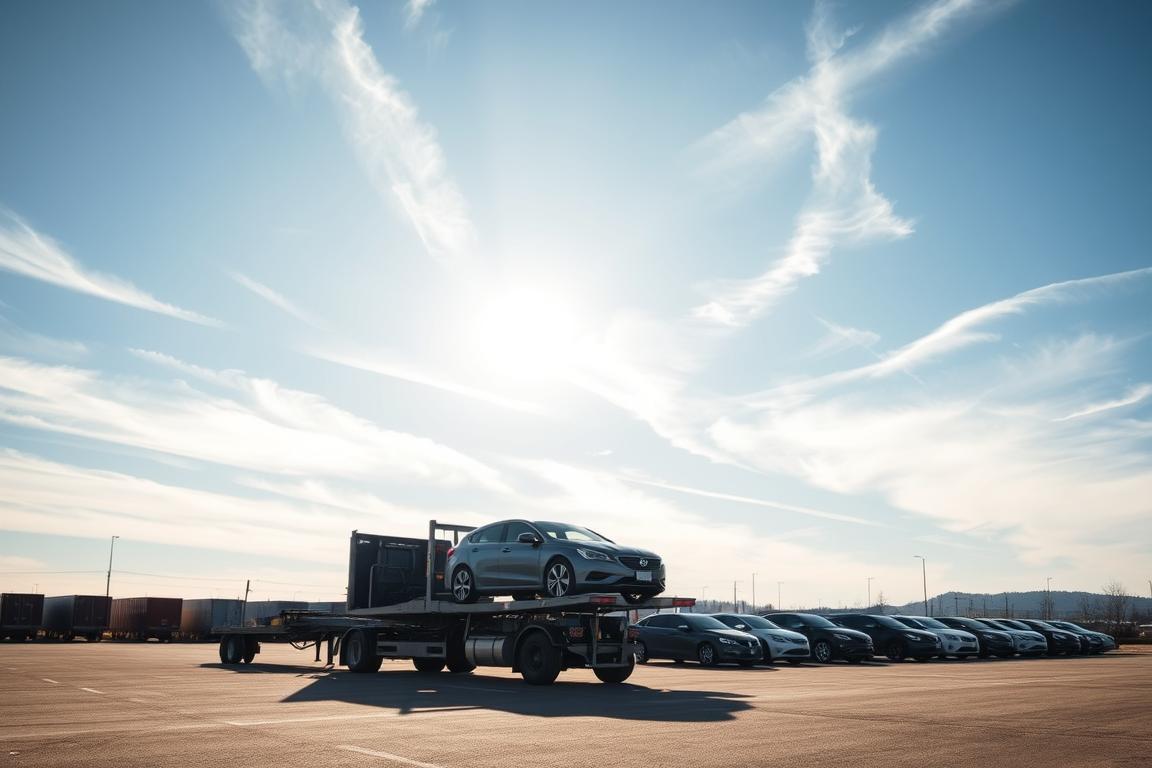
Timing your move by the calendar can shave hundreds off transport bills if you know which months and lanes soften demand.
Plan with the seasons in mind. February and late fall (October–November) often offer the best windows if you avoid holiday weeks. January can see snowbird demand, while December is constrained by driver time off.
For in-depth insights on best months for cheap car shipping services, including how seasonal demand affects pricing, see this data-backed guide.
Also, explore the seasonal trends in car shipping costs that explain how carrier availability and weather impact rates throughout the year.
Winter: cheapest windows vs holiday constraints
Away from holiday weeks, winter can be affordable. Snow and mountain passes add time and risk, so check forecasts and carrier availability.
Spring: rising demand and regional surges
March starts soft but late‑March to May jumps. Northbound lanes fill fast with relocations and returning snowbirds.
Summer: peak season dynamics and how to save
June–August is peak. Book early, use metro hubs, and keep a wide pickup window to access standard-tier pricing.
Fall: post-summer softening and smart scheduling
After summer, demand eases. Watch for a student move bump in early September. Target October–November for steady availability and competitive pricing.
- Pro tip: avoid exact holiday weeks for pickup or delivery.
- Pro tip: compare same‑day quotes during your preferred week.
- Pro tip: if you must ship in summer, lock in bookings early.
| Season | Best windows | Smart moves |
|---|---|---|
| Winter | Late Jan–Feb (excluding holidays) | Flexible dates; avoid mountain storms |
| Spring | Early March or post‑May | Book early for northbound lanes |
| Summer | Early June if booked in advance | Start/end in metro hubs; broaden pickup window |
| Fall | October–November | Target post‑student move weeks for best supply |
Cheapest car shipping rates

Most cost-effective moves happen when you let carriers bundle vehicles on common lanes and avoid exact-day demands.
Standard open carriers with a flexible pickup window usually deliver the lowest everyday price. A typical tiered example is standard open ≈ $855, expedited open ≈ $1,105, and enclosed ≈ $1,530.
Choose metro endpoints and shoulder-season dates (late fall, February, or post-holiday lulls) to get better availability and lower shipping costs without cutting service quality.
Prepare the vehicle: remove roof racks, confirm it runs, and enter exact ZIPs and a truthful first-available date into quote tools to get accurate pricing.
- Flexible pickup windows unlock standard-tier pricing.
- Avoid exact-day guarantees unless the time premium is worth it.
- Compare multiple live quotes the same day to see who is actively running your route.
| Option | Sample Price | When to Use |
|---|---|---|
| Standard open | $855 (flex pickup) | Flexible timeline; standard vehicles |
| Expedited open | $1,105 | Faster delivery; higher price |
| Enclosed transport | $1,530 | High-value or weather-sensitive vehicles |
Tip: Use timing, location, flexibility, and vehicle prep together to consistently access the lowest practical price while keeping your vehicle safe.
For more detailed cost breakdowns and to understand how flexible pickup windows and transport types affect pricing, visit this Car Shipping Costs in 2025 guide.
Also see a comparative analysis of open vs enclosed transport pricing for the latest market insights.
Open vs enclosed transport: when paying more actually saves you money
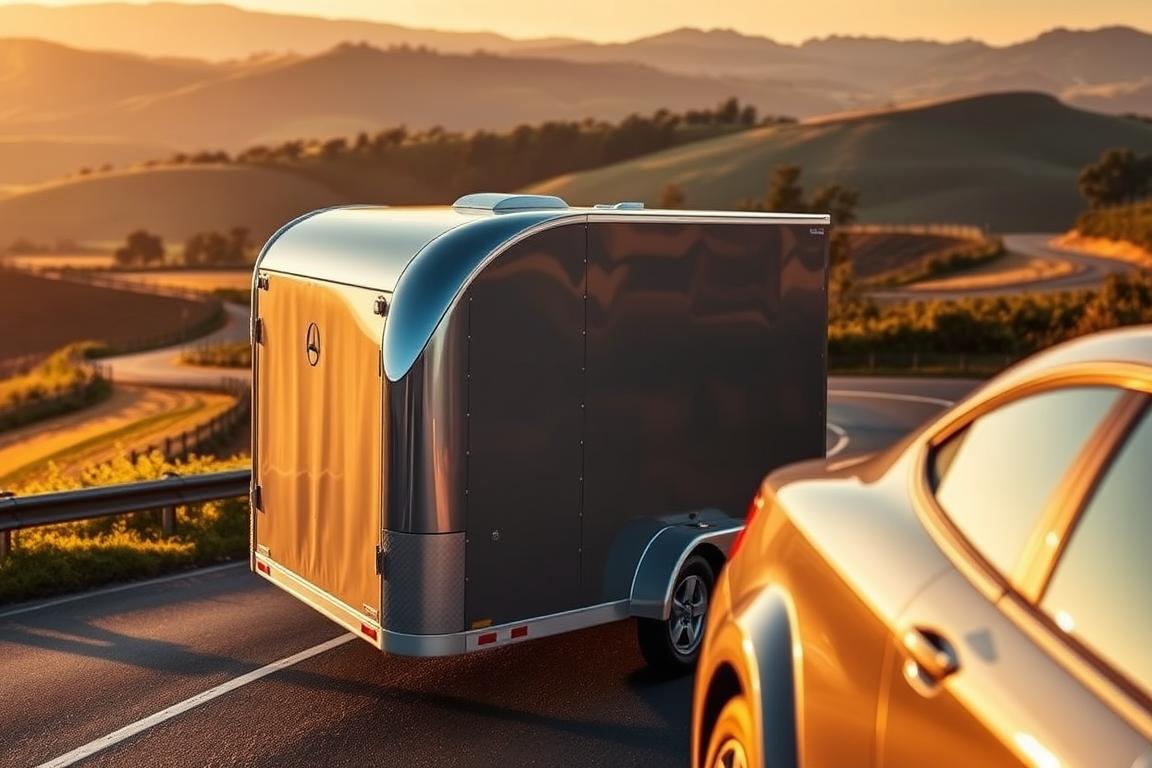
Choosing between open and enclosed carriers is a practical decision that balances upfront price with long‑term vehicle value.
Open transport is the economical choice for daily drivers. It exposes vehicles to normal road elements, but carriers regularly haul cars this way without major issues.
Risk, protection, and total cost of ownership
Open carriers keep the price low and work well for most vehicles. If your vehicle is used daily, open is usually sensible.
Enclosed transport costs several hundred dollars more but shields vehicles from weather, debris, and road grime. That protection can prevent cosmetic damage and preserve resale value.
High-value vehicles and enclosed ROI
For luxury, exotic, classic, or freshly restored vehicles, the enclosed premium often pays for itself. Compare the enclosed tier (~$1,530 sample) or the mileage bands (~$930 under 500 mi; ~$1,550 for 500–2,500 mi; ~$1,830 over 2,500 mi) to the cost of a repaint or high-end detailing.
Want to save money without cutting corners? Use this car shipping process to avoid delays, disputes, and costly mistakes.
Avoid common mistakes →- Top-load spots on open trailers cut exposure for a smaller upcharge.
- If you plan to sell soon or must return a lease in pristine condition, enclosed saves potential repair bills.
- Check carrier insurance limits; high-value vehicles may need documented higher coverage.
Tip: When unsure, request two quotes—open and enclosed—for the same dates and route. Then weigh the protection-to-price delta against the vehicle’s value and your tolerance for minor cosmetic risk.
For detailed pricing and value considerations on enclosed car transport and its ROI, and understanding the insurance aspects for high-value vehicles, explore these expert guides.
Thirteen proven hacks to cut your auto transport price without risk

Smart timing and simple prep unlock lower prices while keeping your vehicle protected.
1–3: Keep a flexible pickup window to access standard tier pricing. Start or end in metro hubs to avoid rural surcharges. Aim for shoulder seasons like late fall or February for lower demand.
4–6: Choose open transport for everyday vehicles unless enclosed transport is mission‑critical. Remove racks, roof boxes, and antennas to avoid dimensional upcharges. Make sure the vehicle runs, steers, and brakes to skip non‑op fees.
7–9: Avoid exact‑day guarantees unless essential. Compare multiple live quotes the same day to see true market prices. Target popular corridors for better carrier availability and competition.
10–13: Book early for busy months. Use top‑load selectively on open trailers to cut debris exposure. Confirm standard cargo insurance limits before booking. Treat ultra‑low quotes as a red flag — vague terms often cost time and money later.
Tip: Combine timing, flexibility, and honest vehicle specs for the best balance of price and protection.
| Hack | Why it helps | Quick action |
|---|---|---|
| Flexible pickup | Unlocks standard-tier pricing | Offer a 3–7 day window |
| Metro endpoints | More carriers, lower fees | Meet at a nearby terminal |
| Verify insurance | Avoid add-on surprises | Get policy limits in writing |
For expert advice on how flexible pickup windows, shoulder seasons, and vehicle prep tips lower your car shipping costs, check these 2025 guides.
Real-world cost benchmarks you can use to sanity-check quotes

Real-world lane data makes it simple to validate any transport estimate you receive. Use these benchmarks to see if an offer matches typical market behavior.
Short haul vs cross-country: typical per-mile ranges
Short hauls under 500 miles often land near $0.80 per mile. Mid-range trips (500–1,500 miles) commonly fall between $0.70–$0.73 per mile.
Long moves gain efficiency. Cross-country trips over 2,000 miles frequently settle near $0.35–$0.37 per mile thanks to multi-vehicle loads.
Coast-to-coast and snowbird corridors
Watch specific lanes: NY↔FL shows seasonal swings, CA→VA averages about $2,225, and MI→TX often sits near $1,495. Freight-heavy corridors like CA↔TX and CA↔FL benefit from better carrier frequency and steadier prices.
- If a quote sits far outside these bands, confirm operable status, endpoints, and whether enclosed transport is included.
- Compare quotes with identical dates, ZIPs, and carrier type to avoid apples-to-oranges differences.
| Distance | Typical $/mile | When to expect |
|---|---|---|
| 0–500 miles | $0.80 | Local/short haul |
| 500–1,500 miles | $0.70–$0.73 | Regional moves |
| 2,000+ miles | $0.33–$0.37 | Cross-country |
Tip: Use these benchmarks to negotiate, time your booking, or flag offers that look unrealistically low.
For updated car shipping cost per mile ranges in 2025, and insights on coast-to-coast transport pricing and corridors, check these comprehensive resources.
How quote calculators work—and how to feed them the right inputs
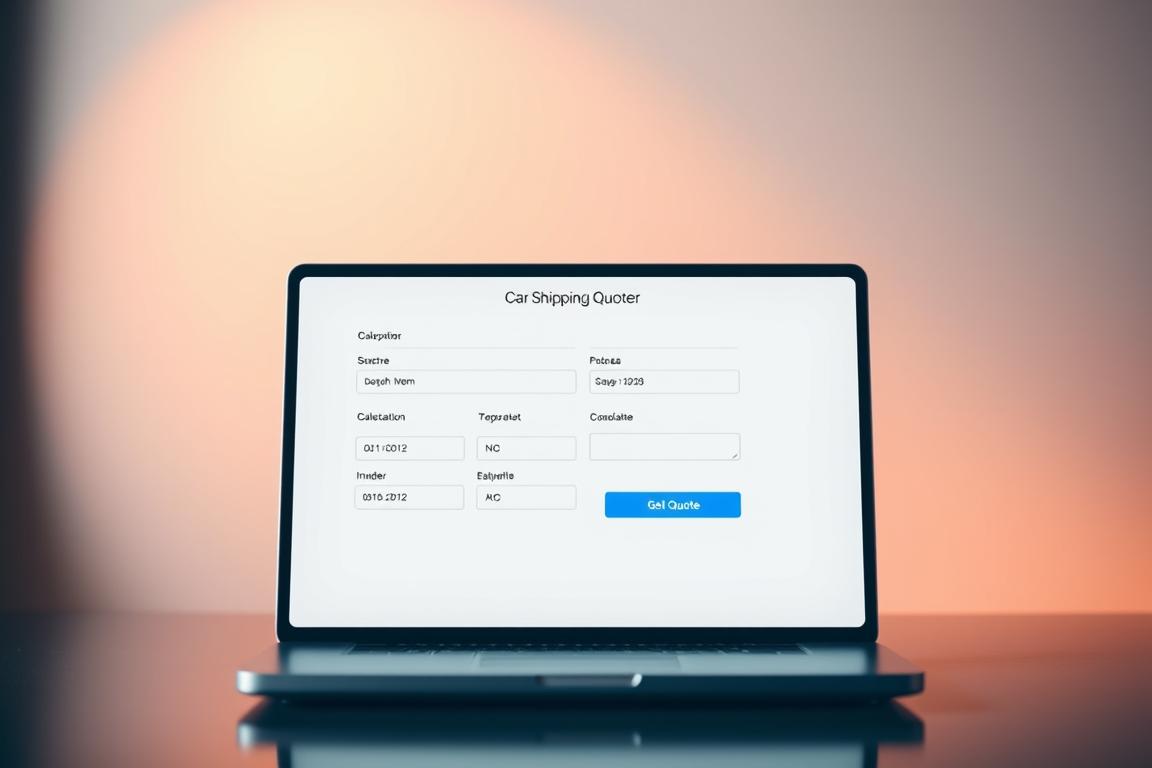
A good quote calculator turns zip codes and vehicle details into three clear service options you can compare fast. Enter accurate data and the tool will reflect real route distance, access constraints, and typical driver availability.
Zip codes, first-available date, vehicle specs
ZIPs matter. Accurate origin and destination codes lock in realistic distances and whether a terminal or door pickup is possible.
First-available date. Be honest: tight windows often push you into expedited pricing. A 3–7 day window usually unlocks standard-tier options.
Vehicle details. Add year, make, model, dimensions, and whether the vehicle runs. Non-op and oversized vehicles need special equipment and cost more.
When COD vs card pricing matters
Many calculators show two payment paths: card-in-full and COD. COD often requires a 20–40% deposit with the balance due at delivery.
Tip: COD can lower upfront quotes but adds handling at pickup. Compare both options before you book.
| Input | Why it matters | What to check |
|---|---|---|
| Origin & destination ZIP | Determines route and access | Verify exact ZIPs and nearby terminals |
| First-available date | Affects speed tier and price | Offer flexibility to unlock standard pricing |
| Vehicle specs & condition | Sets equipment and non-op fees | Enter accurate year/make/model and running status |
| Carrier type & payment | Open vs enclosed changes protection and cost | Compare standard, expedited, and enclosed quotes |
For accurate and transparent quotes based on these factors, try this car shipping calculator with live pricing or this AI-powered car shipping cost calculator that reflects real-time route and vehicle specifics.
Final steps: Re-run quotes same day across reputable companies, save the best offers, and confirm whether insurance, top-load, or non-op fees are included. Acting within the quote validity window protects you from sudden market or fuel swings.
Insurance, transparency, and avoiding hidden fees
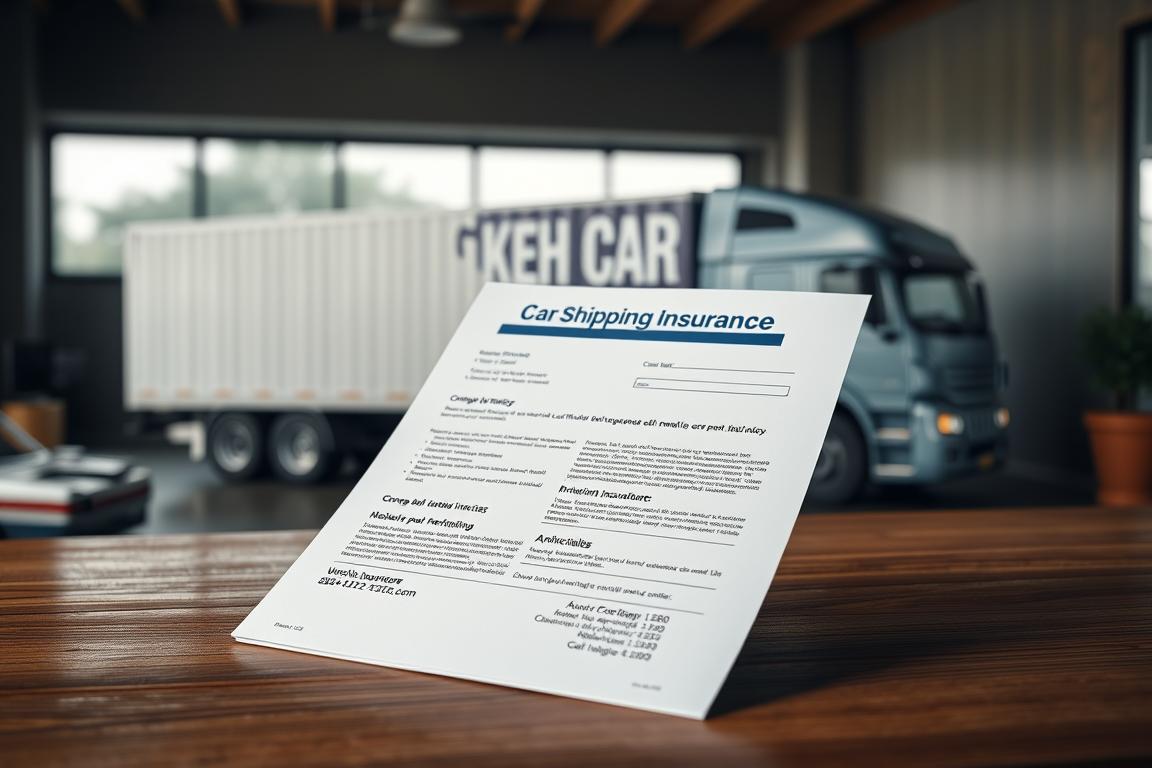
Clear insurance and upfront fees are the backbone of a stress-free vehicle move. You should expect written limits, simple terms, and an itemized price so nothing pops up later.
What standard cargo coverage usually includes
Most reputable providers include basic cargo insurance in your quote. Verify policy limits and whether a deductible applies for your vehicle.
Ask for the carrier’s MC/DOT numbers and proof of insurance before booking. A company with BBB accreditation and thousands of 5-star reviews or a large, vetted network (for example, 59,000+ carriers) signals reliability.
Reading the Bill of Lading and final inspection
Take photos from multiple angles before pickup and again at delivery. Note existing blemishes and fuel level on the Bill of Lading.
Sign only after you confirm condition. The signed document is key for any claim and documents the condition at both ends.
Red flags: ultra-low quotes, vague terms, no carrier details
Watch for offers that hide fees or demand large upfront payments without carrier details. That is often a warning sign.
| Check | Why it matters | Quick action |
|---|---|---|
| Insurance limits | Covers damage during transit | Get policy details in writing |
| Bill of Lading | Legal record of condition | Photograph and sign at pickup/delivery |
| Carrier info | Verifies authority & claims handling | Ask for MC/DOT and company name |
| Itemized fees | Avoid surprise charges | Confirm top-load, non-op, and payment terms |
Tip: Keep all documents and messages. Fast responses and clear records save time and protect you if a claim arises.
Door-to-door realities: access limits and smart handoffs
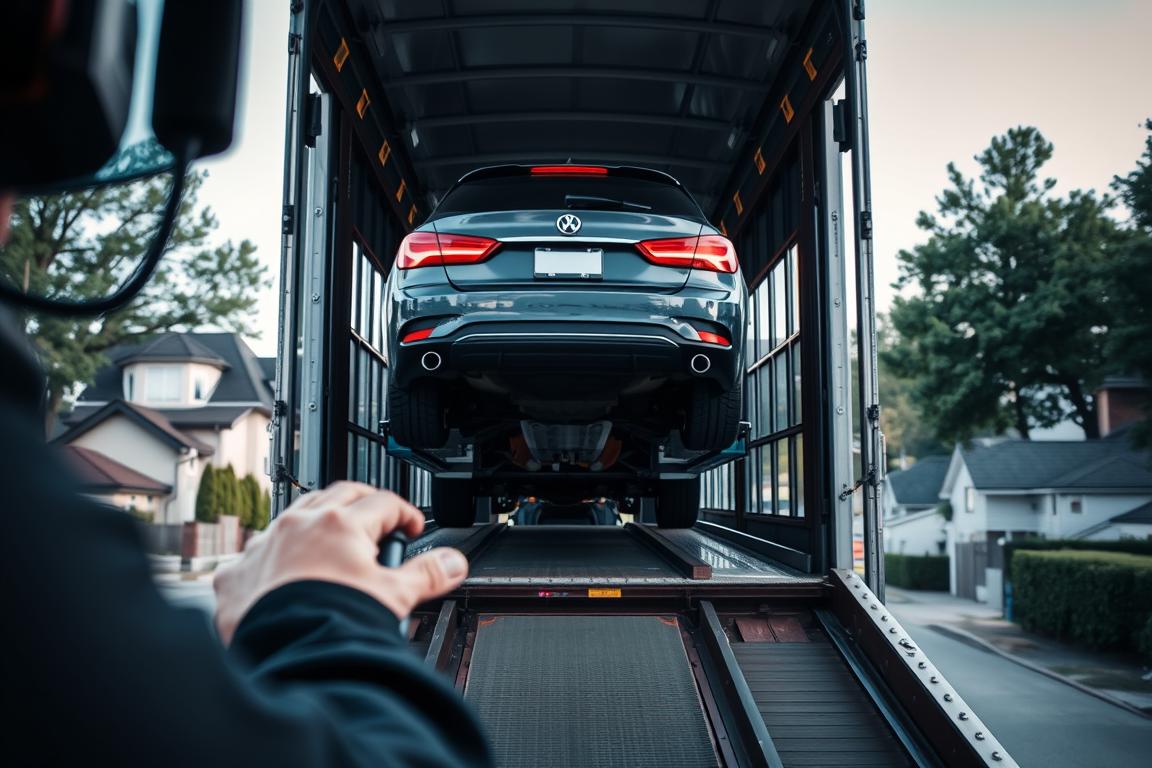
Door-to-door means the carrier will get as close to your address as is legal and safe. That often depends on local regulations, street width, low trees, and turning radius. A quoted “door” pickup may end up at a nearby lot if a truck cannot safely enter your block.
Residential restrictions and easy meet-up alternatives
Plan ahead. If your home sits on a narrow street, or near low branches, arrange a meetup in a large parking area such as a grocery or retail lot.
Drivers inspect vehicles at pickup and delivery. Be present or name a trusted adult to sign the Bill of Lading and note preexisting marks.
- Clear space around the vehicle and remove obstacles that slow loading.
- Tell building security or gate staff ahead of time for access in gated communities.
- Keep your phone nearby on pickup day for quick communication and fewer delays.
- Coordinate timing so the vehicle is ready; this reduces waiting and potential extra fees.
Quick tip: The smoother the handoff, the better your schedule and the more likely the carrier keeps to the planned transit time.
Step-by-step: booking, pickup, and delivery made simple
From instant quotes to final sign-off, a few deliberate steps keep your move smooth and secure.
Secure instant quotes and schedule
Start by entering origin and destination ZIPs, your first‑available date, and vehicle specs into a quote tool. Choose open or enclosed options to see realistic timelines and prices.
Compare quotes from at least two shipping companies and pick the schedule that fits your timing and budget.
For reliable, real-time quotes using detailed inputs like ZIP codes and vehicle condition, try this Best Car Shipping Calculator 2025 – Real-Time Quotes or the AI Car Shipping Calculator | Estimate Car Shipping Cost.
Both provide transparent pricing with instant comparisons of open and enclosed transport options.
Prepping your vehicle: fuel level, alarms, personal items
Clean the vehicle and remove personal items. Disable alarms so drivers can load without delays.
Keep fuel at about a quarter to half tank. Check tire pressure, battery, and fluids so the vehicle is easy to load.
Pickup inspection, transit tracking, and payment timing
At pickup, the driver will inspect and note condition on the Bill of Lading. Take dated photos from several angles.
Track transit with real‑time updates by text or online. Understand payment: card-in-full or COD with a 20–40% deposit.
Final inspection and sign-off
On delivery, meet the driver in a safe, accessible spot if your street is tight. Review the vehicle carefully and note any differences on the Bill of Lading before you sign.
Tip: Keep records and file any issues promptly; clear documentation speeds claims and protects your vehicle.
When to choose expedited shipping—and what it really costs
If your move has fixed dates, a faster transport option gives you certainty—at an added cost. Expedited pickup shortens the carrier’s window and increases the price, but it solves hard deadlines like lease turn-ins and auction cutoffs.
Use cases, tradeoffs, and budget planning
When to pick expedited: lease end, military orders, auction wins, or late closing changes. These situations benefit from prioritized pickup and tighter delivery windows.
Price example: expect a premium—expedited open ~ $1,105 vs standard open ~ $855 in our tier example. Season and fuel volatility can push premiums higher.
- Smaller pickup windows (48–72 hours) reduce the premium versus same‑day demands.
- Popular routes with many carriers offer better expedited availability.
- Flexibility at one end (pickup or delivery) often lowers the added fee.
Tip: Ask whether expedited covers pickup, delivery, or both. Get specifics in writing and confirm insurance and payment timing to avoid surprises.
| Need | Typical added cost | Budget action |
|---|---|---|
| Lease end / fixed move-out | +$200–$350 (example tier) | Offer 48–72 hr window to trim cost |
| Auction or dealer deadline | +$250–$400 | Book early and confirm carrier availability |
| Last-minute purchase | +$300–$500 (peak season higher) | Consider open expedited or top-load instead of enclosed |
Conclusion
This wrap-up turns the guide into action items you can use today. Use a clear quote and compare live quotes to see fair offers. Pick trusted networks and companies with strong BBB ratings and many 5‑star reviews for peace of mind.
For routine moves, open auto transport and flexible pickup windows often lower prices and simplify logistics. For high‑value vehicles, choose enclosed car transport to protect condition and resale value.
Feed calculators accurate ZIPs, dates, and vehicle specs, verify insurance and the Bill of Lading, then book with a transparent transport company. When you’re ready, get instant quotes, book your spot, and ship with confidence knowing your vehicle is in good hands.
FAQ
What affects the cost to ship a vehicle across the U.S.?
Several factors drive transport prices: distance and route demand, pickup and delivery locations (urban vs rural), vehicle size and weight, whether the vehicle is operable or not, carrier type (open vs enclosed), and the speed of delivery (standard vs expedited). Market forces like fuel prices and seasonal demand also change costs. To lower your price, control what you can — pick flexible dates, use metro terminals when possible, and choose the appropriate carrier type for your needs.
How do open and enclosed transport differ in price and protection?
Open carriers are more common and usually cost less because they carry many vehicles on a single trailer. Enclosed transport provides covered, weather-protected shipping and higher security, so it’s pricier — often 30–60% more. Enclosed is worth the premium for classic, luxury, or highly modified vehicles where protection and peace of mind matter more than savings.
What are typical price ranges by distance and trip length?
Short-haul moves (under 250 miles) often price as a flat trip fee plus per-mile costs, while medium and long hauls shift to per-mile pricing. Expect lower per-mile rates on longer routes. Exact numbers vary by season and route; use recent quotes on popular corridors to gauge current ranges. Always compare same-day live quotes to see market shifts.
When is shipping cheapest during the year?
Shoulder seasons and off-peak windows often offer the best prices. Winter (outside holiday periods) and late fall usually have softer demand. Spring and summer are peak seasons, with summer showing the highest rates on popular routes. Plan to ship in post-holiday lulls or shoulder months when possible for lower transport costs.
What’s the difference between standard and expedited transport pricing?
Standard service follows normal carrier routing and load plans and is the most economical. Expedited shipping moves your vehicle faster and often requires a dedicated load or priority placement; expect significantly higher fees. Choose expedited only when timing is critical, such as relocation deadlines or last-minute purchases.
How does vehicle condition affect the quote?
Operable vehicles are easier and cheaper to load and unload. Inoperable or non-running vehicles need extra equipment and time, which raises the price. Fully disclose condition up front to get accurate quotes and avoid surprises on pickup.
What should I tell a quote calculator to get an accurate estimate?
Provide precise ZIP codes for pickup and delivery, the first-available shipping date (or window), accurate vehicle year/make/model, size and weight, and whether the vehicle runs. Also indicate if you need enclosed transport or expedited service. Correct inputs give realistic quotes and reduce adjustments later.
Are there hidden fees I should watch for?
Watch for additional charges like residential pickup/delivery fees, oversized-vehicle surcharges, re-delivery after missed appointments, and terminal-to-terminal handling. Ask for a breakdown of fuel-related fees and insurance deductibles. A transparent transporter will list these in the quote and in the Bill of Lading.
How do I verify a transport company’s credibility?
Check USDOT/MC numbers, read current reviews on platforms like Better Business Bureau and Google, and confirm carrier insurance limits. Reputable companies provide carrier details, an itemized quote, and clear pickup windows. Call to discuss terms and ensure they offer tracking and a written Bill of Lading.
What insurance does standard cargo coverage include?
Standard cargo insurance covers damage caused during transport up to the carrier’s policy limits. Coverage varies by carrier, so request the carrier’s insurance certificate and limits before booking. For high-value vehicles, consider supplemental coverage or enclosed transport with higher liability limits.
How should I prep my vehicle for pickup?
Remove personal items, lower fuel to about a quarter tank, disable alarms, and remove loose accessories such as roof racks. Take photos of the vehicle from multiple angles for the pickup inspection. These steps speed loading, reduce risk of damage claims, and help ensure a smooth delivery.
Can I ship a modified or oversized vehicle?
Yes, but modifications and larger dimensions often trigger add-on fees or require specialized equipment. Inform carriers about lift kits, oversized tires, wide bumpers, or extra-length vehicles when requesting quotes so they can match you with the right carrier and avoid rate surprises.
Is door-to-door delivery always available?
Door-to-door is commonly offered but not always feasible at every address. Residential restrictions, narrow streets, or HOA rules can require terminal-to-door or meet-up alternatives. Confirm access with your transporter and have a nearby public pickup point ready if needed.
How long will my vehicle be in transit?
Transit time depends on distance, route demand, and carrier routing practices. A short haul may take 1–3 days; cross-country moves typically take 7–14 days. Carriers give an estimated window at booking. Allow extra time for seasonal delays and plan accordingly.
How do I avoid bad or “too good to be true” quotes?
Ultra-low quotes may omit fees, use unvetted carriers, or come with limited insurance. Ask for carrier MC/US DOT numbers, request a detailed quote breakdown, and compare several live quotes the same day. Choose providers with clear terms, good reviews, and confirmed insurance.
Should I remove personal belongings from the vehicle?
Yes. Most carriers prohibit or limit personal items inside vehicles due to weight, theft risk, and insurance restrictions. Remove valuables and loose items before pickup to avoid claims denial and keep transit weight within safe limits.
What happens during pickup and delivery inspections?
A carrier agent completes a Bill of Lading documenting existing damage, mileage, and condition with photos. You and the driver sign it. On delivery, inspect the vehicle with the driver and note any new damage on the BOL. Report issues promptly to the carrier and insurer for claims processing.
When is enclosed transport worth the higher price?
Choose enclosed transport for classic cars, luxury vehicles, rare imports, or when you need maximum protection from weather and road debris. If the vehicle’s value or your peace of mind outweighs extra cost, enclosed transport often provides a better total cost of ownership.
How can I save money without increasing risk?
Use these tactics: be flexible with pickup windows, start or end in metro hubs, ship in shoulder seasons, choose open carriers for everyday vehicles, remove accessories, ensure the vehicle is operable, and compare multiple quotes. Verifying carrier insurance and reading the Bill of Lading protects you without cutting corners.
What is top-loading and when should I use it?
Top-loading places smaller or delicate vehicles on the upper deck of an open carrier to reduce exposure to road debris. It may cost a bit more but helps protect lowered or specialty vehicles. Use it selectively when road protection is critical but full enclosed transport isn’t necessary.
How do fuel prices influence transport quotes?
Carriers often include fuel surcharges that adjust with market prices. When fuel rises, carriers add surcharges to offset operating costs. Watch for surcharge schedules in quotes and compare carriers’ fuel policies when evaluating prices.
Can dealers, auctions, or fleets get discounted pricing?
Yes. Volume shippers like dealerships and fleets often secure contract rates or preferred carrier discounts. If you ship frequently, ask about business or repeat-customer pricing programs to lower per-vehicle transport costs.
What red flags indicate an unreliable transport company?
Red flags include vague or verbal-only quotes, refusal to provide USDOT/MC numbers, missing insurance details, poor or no online reviews, pressure to pay full amounts upfront, and very low upfront deposits with no written contract. Walk away from offers that don’t provide transparent documentation.