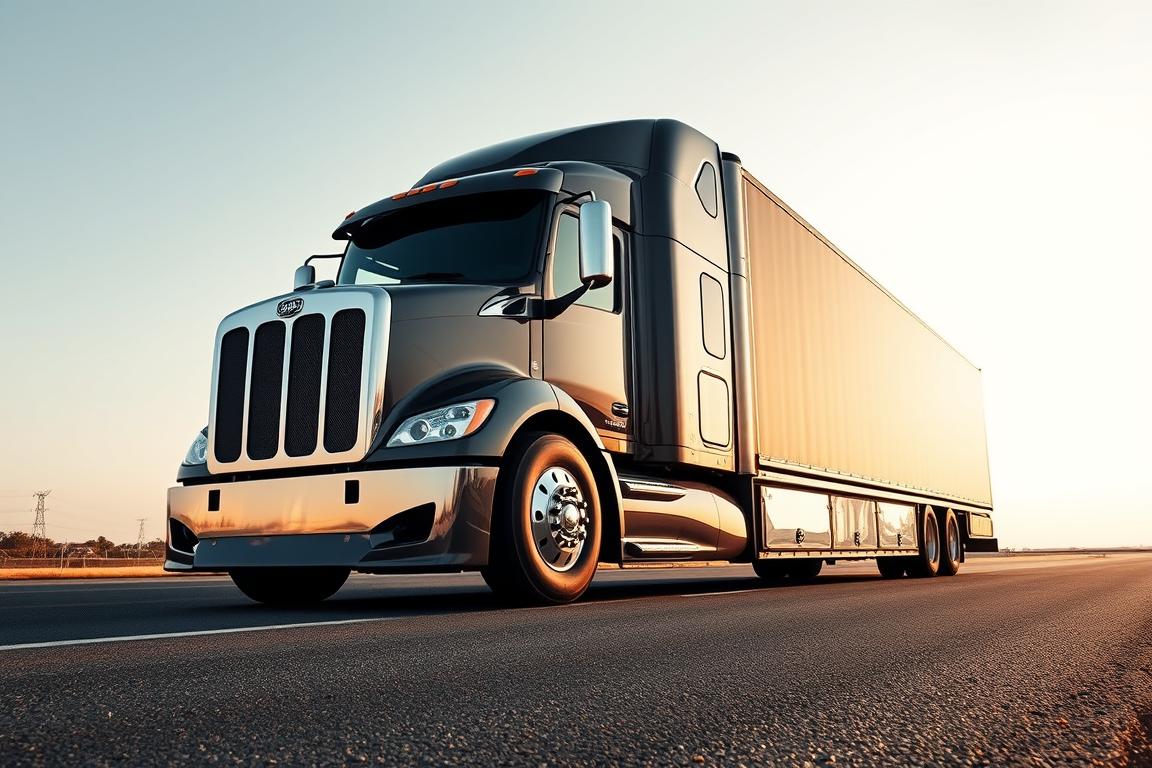

Curious which solution will make moving a vehicle simple, safe, and stress-free? I’ve shipped my own car before, so I built this short guide to cut through the noise and speed your decision. You’ll get clear, practical advice that matches a body style and powertrain to your route and budget.
In the next minutes, we’ll walk through seven proven options and when each one shines. Expect straightforward specs — engine types, GVW ranges, and rear access styles — so you can pick the right vehicle and loading method.
This intro helps you shortlist confidently and flags buying signals like condition, maintenance, and warranty. Read on to compare options, keep downtime low, and avoid overpaying for what your operation truly needs.
Summary
Table of Contents
Shop Car Hauler Box Trucks in the U.S. for Safe, Efficient Vehicle Transport
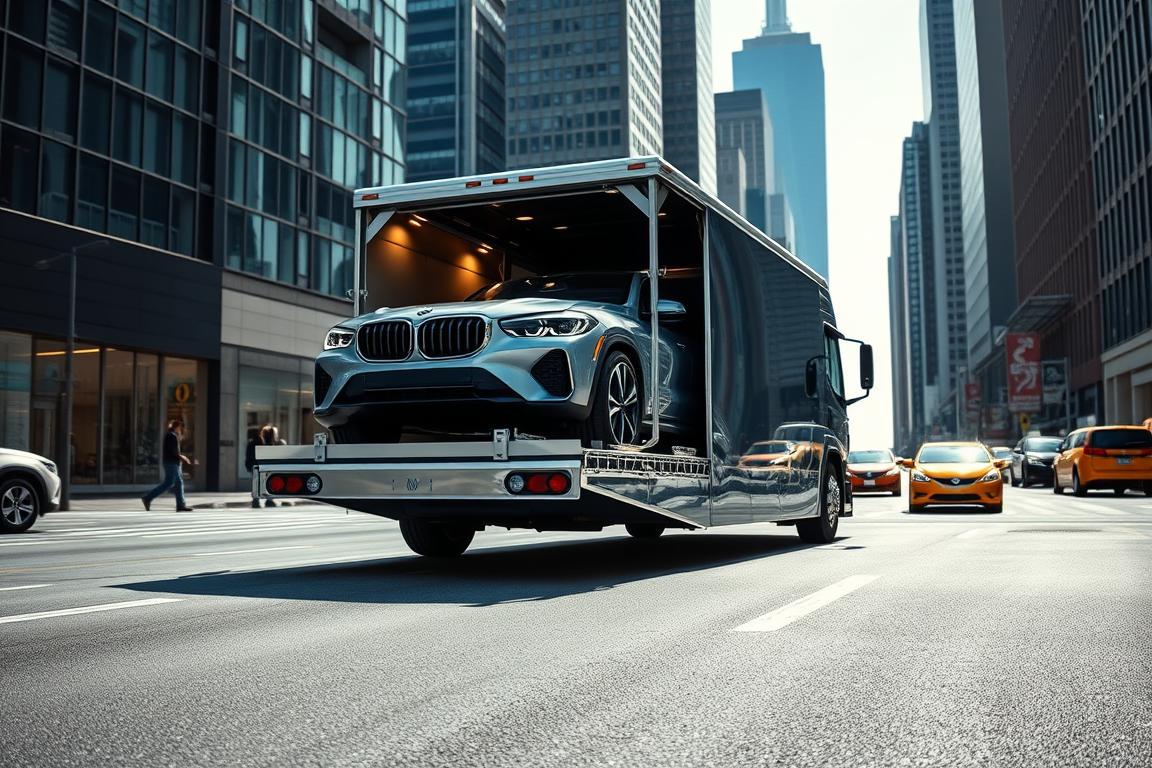
Searching across the U.S. widens your choices and helps match solutions to your route and budget. I’ve learned that a national search brings better availability and more competitive pricing.
Enclosed bodies protect a car from rain, snow, and road grime. Sealed cargo areas also cut the risk of paint and trim damage.
“For clients, choosing the right spec reduces missed deliveries and keeps service-level promises.”
Compare listings by body style, spec sheets, and maintenance history—not just photos. That helps you pick options that match your needs and timeline.
- We explain when a trailer or a sealed unit is smarter for your lane and insurance.
- Business customers see fewer missed deliveries with reliable equipment.
- Result: a short, curated list of trucks and trailer options that fit budget and goals.
| Body Style | Protection | Best For | Quick Notes |
|---|---|---|---|
| High-cube enclosed | Full sealed | Expensive vehicles | Top paint protection, higher cost |
| Roll-up rear | Good | Dealer deliveries | Fast load/unload |
| Enclosed trailer | Full sealed | Long hauls | Flexible sizes, tow requirements |
| Cutaway van | Moderate | Local runs | Lower cost, easier parking |
Our Top 7 Car Hauler Box Trucks for Sale Right Now
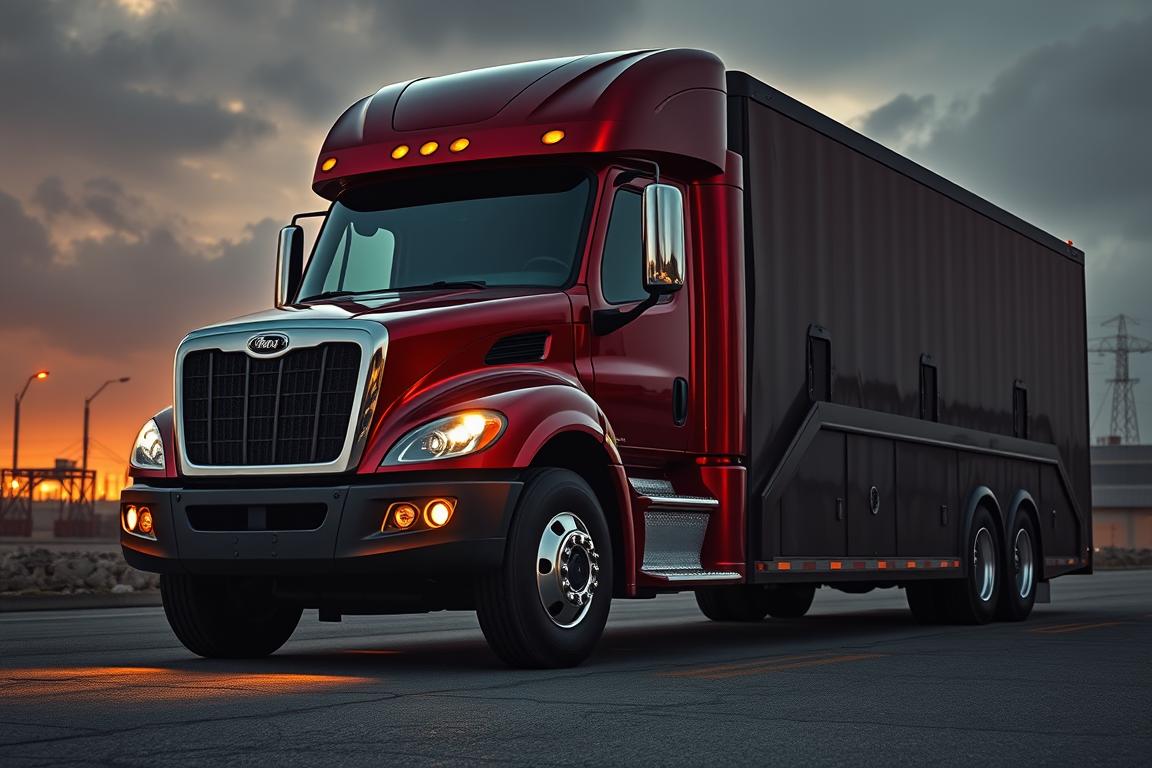
Here are seven proven platforms that simplify vehicle moves across short and medium distances. I picked options common in U.S. inventories — Ford E-Series and GMC Savana G-Series show up often — and noted the specs that matter when you buy.
- Light Duty with Roll-Up Rear: 8,600–14,050 lbs GVW and a roll-up door for fast access — ideal for low-profile loading and tight docks.
- High Cube Van Hauler: 4.8L–6.0L V8, 255–325 hp, automatic transmission for confident urban starts and highway merges.
- Straight Transporter: Enclosed platform built for dealer-to-customer delivery — simplifies tie-downs and protects finish.
- Parcel Van Carrier: Compact footprint and nationwide availability — great for single-unit moves and mixed cargo runs.
- Cutaway Van Variant: Versatile chassis that accepts shelves, E-track, and winches for specialty equipment handling.
- Gas or Diesel Power: Gas trims offer lower upfront cost; diesel delivers torque and longevity on longer routes.
- Garage-Door-Style Rear: Roll-up doors speed load/unload and reduce rear clearance needs in tight lots.
If you want a quick recommendation: choose the high-cube V8 option for frequent highway work, or a light-duty roll-up model for tight urban routes and dealer drops.
Compare Box Truck vs Enclosed Car Trailer: Which Fits Your Needs?
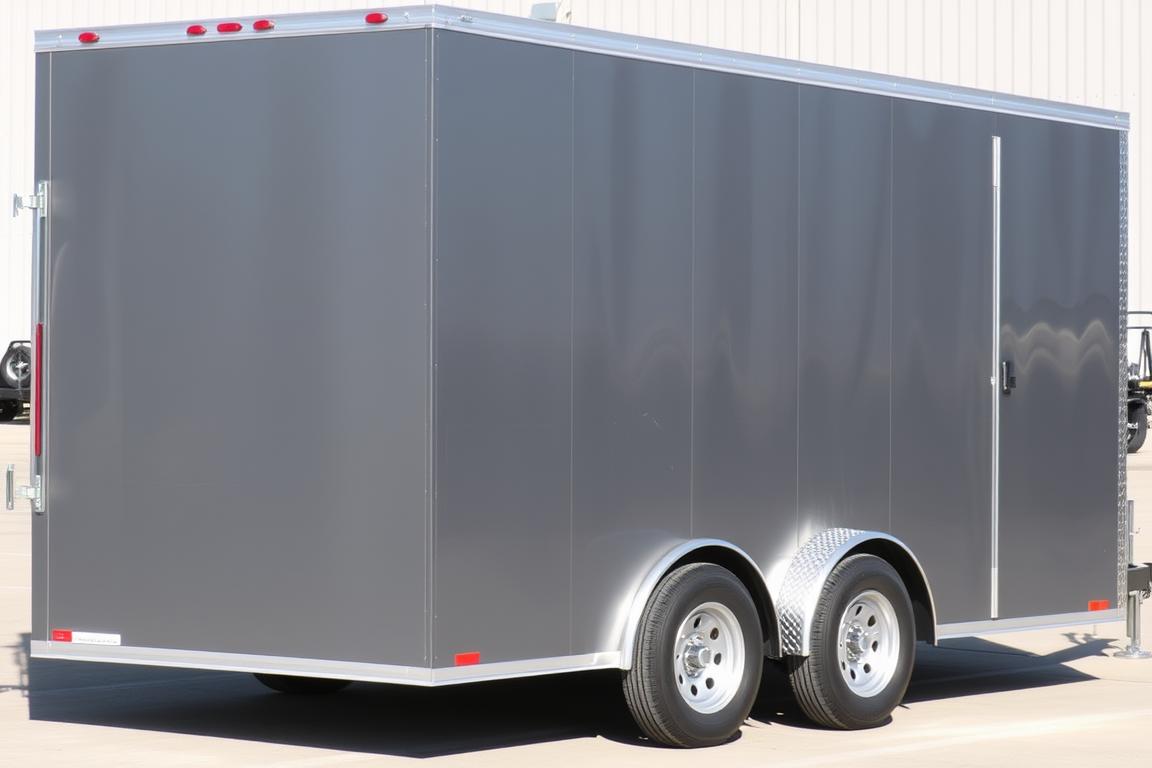
Your daily routes, loading habits, and fleet setup decide the right solution. Pick the integrated option for simpler operations and a single operator. Choose a towable enclosed trailer when you need flexible lengths and staging ability.
When a Roll-Up Door and Enclosed Body Win
Integrated enclosures let one driver jump in, secure vehicles, and move on. They protect cargo and tools from weather and theft.
Roll-up doors are ideal in alleys and tight docks. They need less clearance and speed up stops on dense routes.
When a Ramp Door and Configurable Sizes Make Sense
Enclosed trailers come in many lengths — 6′ through 38′ — and can be spec’d by axle count and brand. Ramp doors make low-angle loading simple for low-profile vehicles and show cars.
Trailers also detach for staging at events or long-term storage. If you already have tow vehicles, this often cuts cost while matching weight ratings to specific vehicles.
“Choose the platform that matches route frequency, storage plans, and who will drive it.”
- Easy ops: Integrated units simplify training and daily logistics.
- Flexible sizing: Trailers fit special lengths and display uses.
- Spec options: Filter inventory by price, condition, size, manufacturer, and axle when shopping.
| Feature | Integrated Enclosure | Enclosed Trailer |
|---|---|---|
| Driver Workflow | Single operator, plug-and-go | Requires separate tow vehicle |
| Access | Roll-up door, tight clearance | Ramp door, low-angle loading |
| Flexibility | Fixed size, organized storage | Multiple lengths (6’–38′), brand choices |
Live Inventory and Price Filters to Find the Right Truck or Trailer
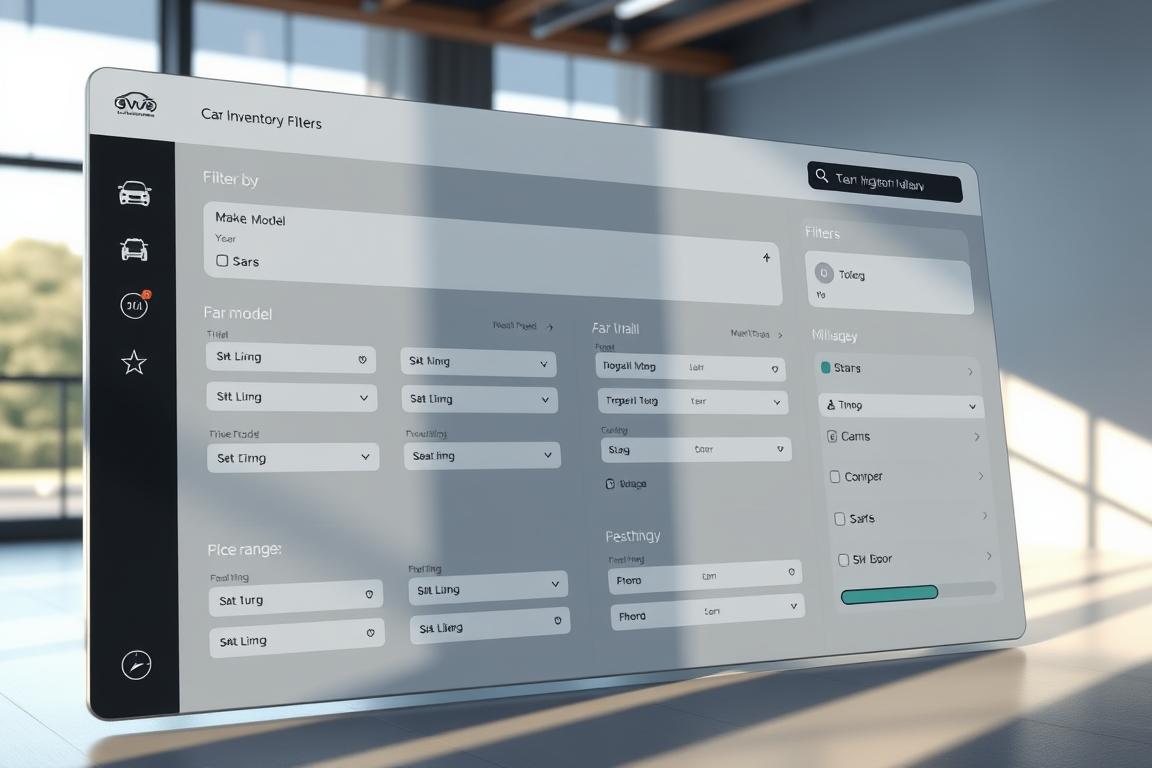
Start your search by narrowing live listings to the specs that matter most. That first cut saves time and reduces surprises down the road.
Filter by Price, Condition, Size, Category, Manufacturer, and Axle
Begin with price targets so you only see units within budget. Then set size and axle filters to match the vehicles you plan to carry.
Use condition and manufacturer filters to focus on reliable builds and predictable support. Sort by interior length and width to confirm fit for your tie-downs.
Delivery Available and Financing Available Indicators to Watch
Badges like “Financing Available” and “Delivery Available” are time-savers. They let you plan cash flow and shipping at a glance.
Many listings ship nationwide. If a unit has delivery or financing, add it to a short list and compare specs side-by-side. Note door style, tie-down points, and listed car capacity before you request a quote.
- Check category labels to distinguish true enclosed units from general cargo options.
- Revisit price filters during negotiations—seasonal sales can change final cost.
“Start narrow, keep a short list, and use delivery or financing badges to lock in timing and budget.”
car hauler box truck
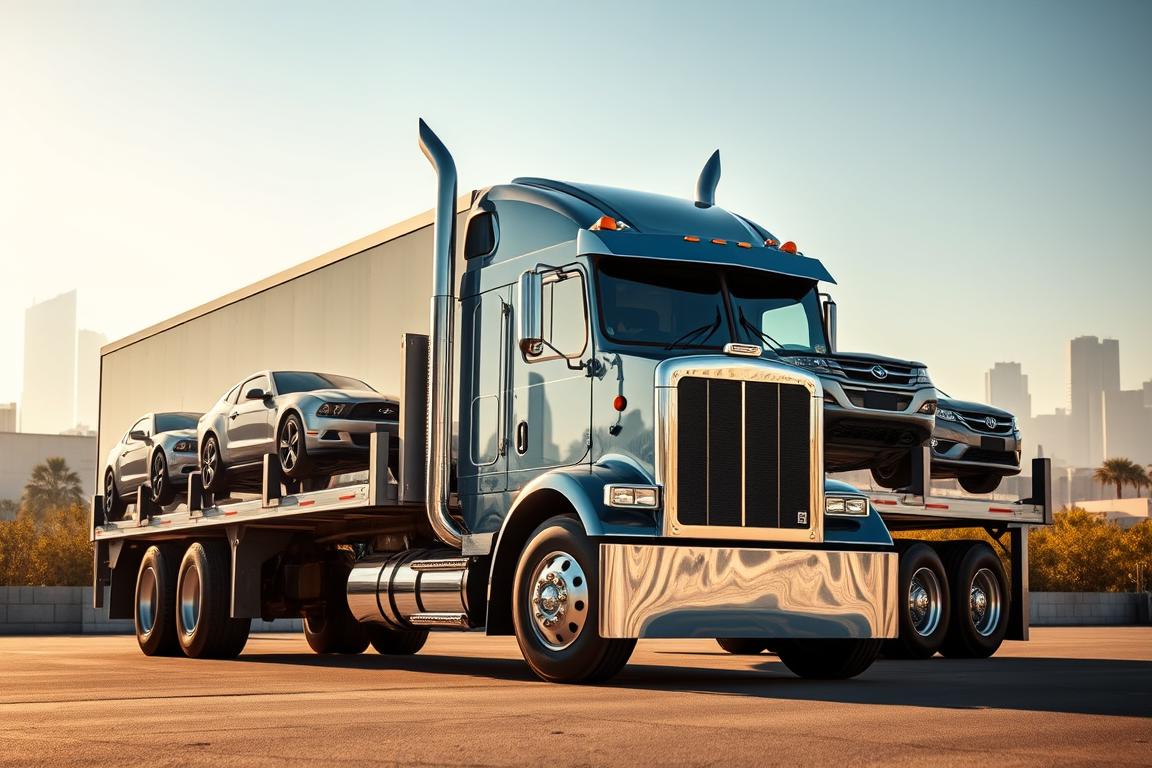
An enclosed powered unit gives you a straightforward way to move a single vehicle without towing hassles. It combines a cab and sealed cargo bay so one operator can load, secure, and drive with confidence.
Why choose this format? Compared with a trailer, a powered unit removes the need to match tow gear or file separate registrations. Just fuel, maintain, and go.
These units offer weather protection, solid tie-down points, and steady handling on both city streets and highways. Modern builds add E-track, integrated winches, and cargo lighting to make solo loading safer and faster.
If you scan inventory, focus on a few practical specs: GVW, rear opening dimensions, floor height, and anchor layout. Those four items determine whether a vehicle will fit and how quickly it loads.
“The all-in-one approach often cuts downtime—no hitching or tow scheduling to slow the day.”
- All-in-one operation reduces crew needs and turnaround time.
- Check powertrain and payload ratings when comparing trucks.
- Inspect anchor points and lighting for safe, repeatable loads.
Key Features to Prioritize: Door Type, GVW, Powertrain, and Cargo Space
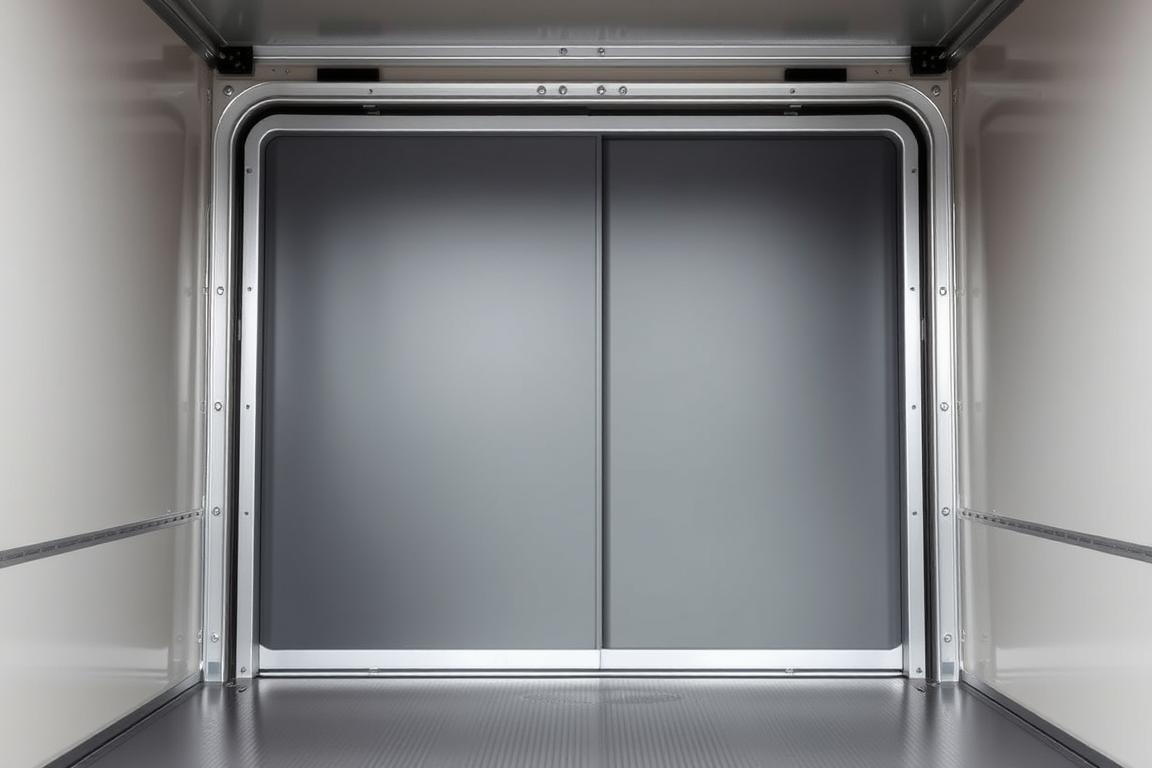
Door style, GVW, powertrain, and cargo layout shape every stop on your route.
Door choice dictates daily efficiency. Roll-up doors save rear clearance and speed access. Ramp doors give a gentle angle for low-profile vehicles and specialty equipment.
Roll-Up Door vs Ramp Door for Cars and Equipment
Pick the door that matches your loading habit. Roll-up works best for tight lots and fast turns. Ramp doors pay off when loading low splitters or show cars from a trailer.
GVW Bands for Vehicles, Tools, and Accessories
Confirm GVW and headroom. The 8,600–14,050 lb band covers most single-vehicle moves plus tools and tie-down gear.
- Powertrains: 4.8L–6.0L V8s (255–325 hp) pair to automatics; choose diesel for long-haul torque and gas for lower cost.
- Measure rear opening height, width, and floor height to avoid bumper or splitter damage.
- Plan cargo space for straps, wheel nets, winch gear, and service equipment—not just the vehicle footprint.
“Balance axle ratings and tire load indexes with your typical vehicles to avoid operating near limits.”
| Feature | Recommended Spec | Why It Matters |
|---|---|---|
| Door Type | Roll-up or Ramp | Impacts clearance, loading speed, and vehicle protection |
| GVW Band | 8,600–14,050 lbs | Supports single vehicles plus tools and tie-downs |
| Powertrain | 4.8L–6.0L V8 (255–325 hp) | Delivers torque for launches and climbs; diesel for long range |
| Cargo Fit | Measured opening & floor height | Prevents damage to wide bodies and low splitters |
Brands and Body Styles Customers Trust for Vehicle Transport

Trusted names and the right body style make a big difference in day-to-day vehicle moves.
I recommend Ford E-Series and GMC Savana G-Series for light-duty box platforms. They have wide parts networks and easy service access across the United States.
On the trailer side, look at ATC, Homesteader, Covered Wagon, Nexhaul, and CarMate. These brands deliver consistent build quality and features designed for safe transport.
Match the body style to your mission: straight, parcel, and high-cube options solve different loading and space needs. Choose the one that fits how you load and the typical vehicles you carry.
Brand support matters. Parts access, warranty, and customization options make upgrades and repairs simpler as your business grows.
“Ask about reinforced floors, extra tie-downs, and winch plates—small upgrades that pay off in safety and uptime.”
- Proven chassis reduce service downtime and simplify maintenance planning.
- Reinforced floors and extra anchor points improve safety during loading.
- Well-known brands often retain resale value, lowering total ownership cost.
| Category | Recommended Brands | Why It Matters |
|---|---|---|
| Light-duty chassis | Ford E-Series, GMC Savana G-Series | Parts availability and nationwide service |
| Enclosed trailers | ATC, Homesteader, Covered Wagon, Nexhaul, CarMate | Consistent build quality and transport features |
| Body styles | Straight, Parcel, High Cube | Matches loading method and interior space needs |
Financing Made Simple: Payments, Terms, and How to Qualify

Simple math makes financing predictable: price, your rate, the term length, and any down payment or trade-in equity determine the monthly figure. This section breaks those parts down so you can compare offers clearly.
Estimated Payment Basics: Vehicle Price, Term Length, Rates, and Down Payment
Your estimated payment comes from a straightforward formula: the vehicle price (excluding taxes and fees), lender rate, term length, and any down payment or trade-in equity. Use the same inputs across offers to compare apples-to-apples.
Rates vary by credit profile and market conditions, so shop lenders and get pre-approval before you commit. A longer term lowers the monthly amount but raises total interest paid.
How Trade-In Equity Can Lower Your Monthly Price
Trade-in equity reduces the amount you finance. That directly lowers the monthly price without stretching your term beyond operational needs.
Plan for promotions and fleet incentives — seasonal deals can shift the math in your favor on trucks and trailer purchases. Know your pre-approval range and speak with a dealer about available tiers and documentation.
“A clear financing plan helps you scale vehicles as demand grows.”
| What to confirm | Why it matters | Action |
|---|---|---|
| Price (before tax) | Base for monthly calculation | Compare net prices across listings |
| Term & rate | Impacts monthly and total cost | Get multiple quotes and pre-approvals |
| Trade-in equity | Lowers financed amount | Get trade estimates before offer |
If you want specific discounts or to see if you qualify for special financing, contact your local Transwest dealership — they can clarify rate tiers and required documentation for your needs.
Real-World Uses: Dealer Deliveries, Storage, Trade Shows, and Mobile Workshops
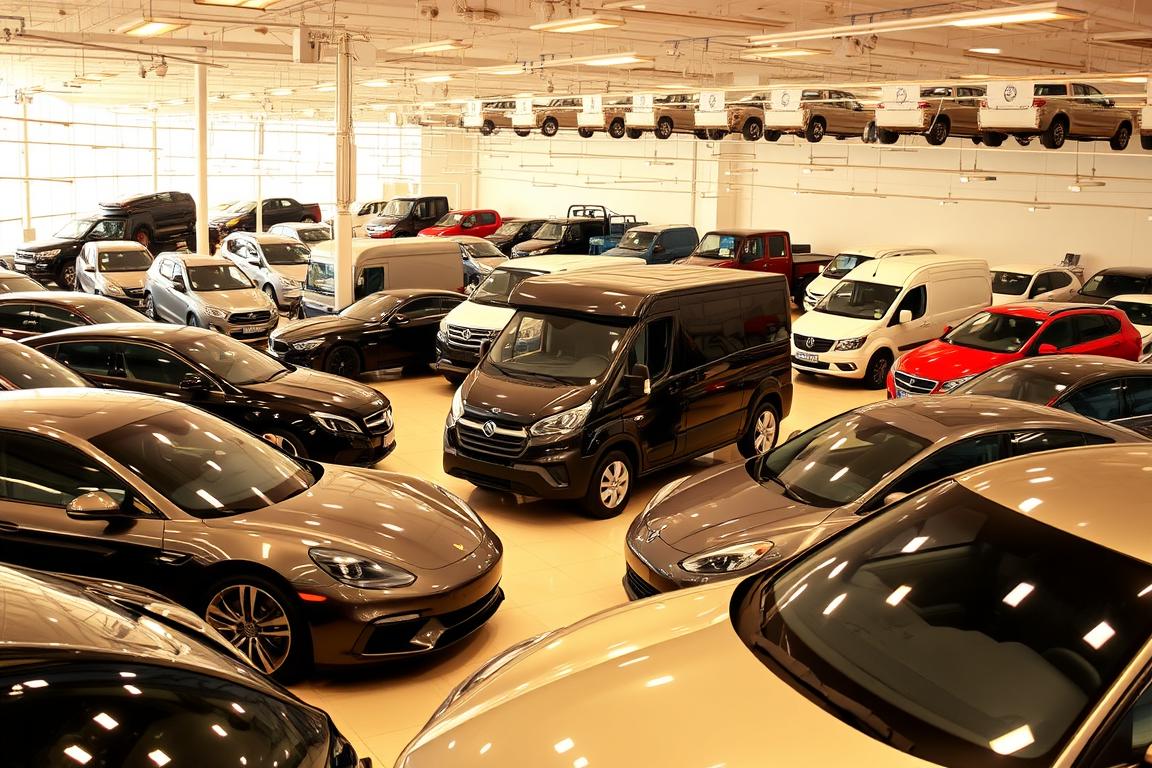
From dealer handoffs to on-site repairs, enclosed platforms create dependable results. They keep cars clean and shielded so buyers see a perfect finish at delivery. That first impression reduces callbacks and touch-ups.
For short-term storage, a sealed bay doubles as a secure locker for vehicles. It blocks weather and casual theft between moves. This gives dealers and consignors peace of mind.
At trade shows, an enclosed unit becomes mobile staging — carry a display car with signage, flooring, and tools in one organized load. It saves setup time and protects displays from the elements.
- Dealer deliveries: cleaner handoffs, fewer post-delivery fixes.
- Storage: secure, weatherproof holding between stops.
- Events: mobile staging for displays and demos.
- Workshops on wheels: benches, power, and lights let techs service vehicles on site.
- Food & service conversions: a proper shell simplifies ventilation and power planning.
“A tidy, well-equipped unit becomes a visible asset — it strengthens brand trust and repeat business.”
Whether you choose powered units or a trailer, the right setup turns transport into a brand moment. Use layout and finishes that match your workflow and customer expectations to make every move count.
Featured Enclosed Car Trailers to Complement Your Fleet
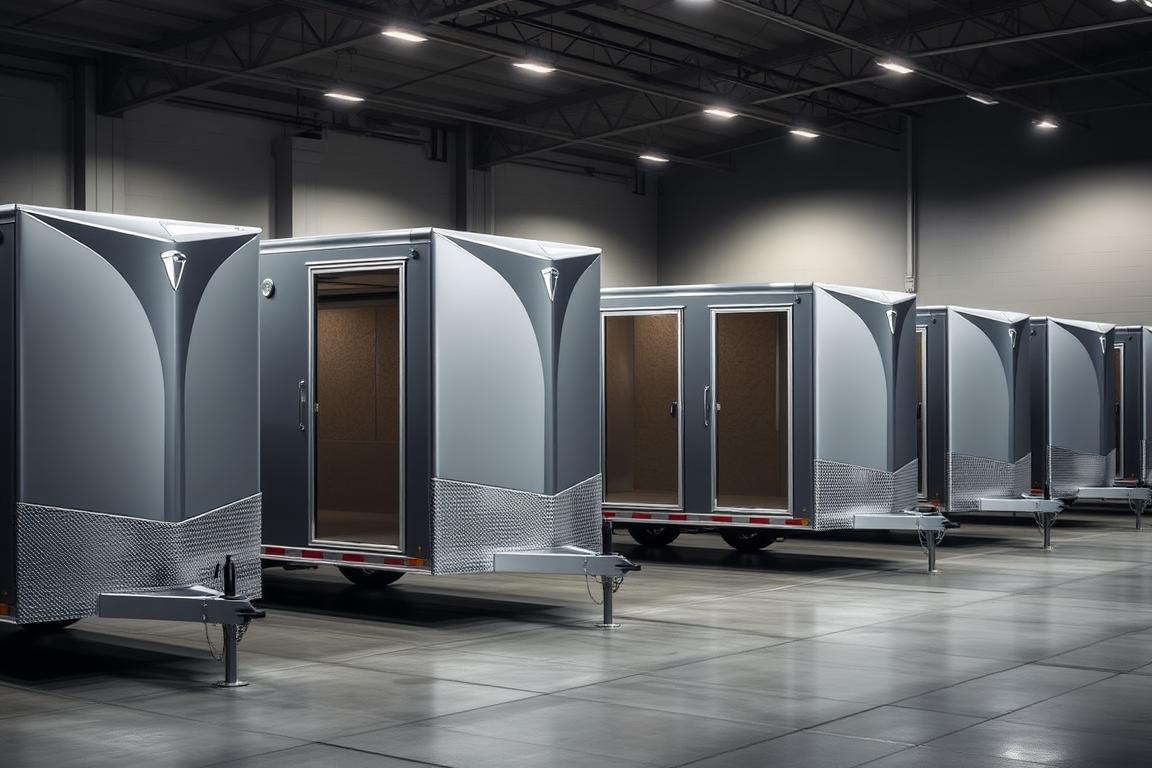
Compact V-nose enclosed models offer a smart balance of protection, maneuverability, and storage for everyday runs.
Popular 8.5′ x 16′ to 8.5′ x 24′ V-nose Enclosed Options
Sized for urban delivery yet roomy enough for a full-size car, these trailers cover 8.5′ x 16′ through 8.5′ x 24′. Representative listings include a Homesteader 8.5 x 16 V-Nose at $8,999 and a Nexhaul 8.5 x 24 V-Nose at $10,799.
Single-, Dual-, and Triple-Axle Choices
Axle selection changes capacity and ride stability. Single-axle units suit light loads and tight turns. Tandem axles add capacity and better highway handling. Triple axles support heavier vehicles or gear-packed hauls.
- V-nose benefits: improved aero and extra front storage for winches and straps.
- Ramp doors: simplify low-profile loading—confirm interior width and D-ring layout.
- Financing & delivery: many listings show “Financing Available” and some list “Delivery Available” to simplify planning.
| Model | Size | Price | Notes |
|---|---|---|---|
| Homesteader | 8.5′ x 16′ | $8,999 | V-nose, ramp door |
| Covered Wagon | 8.5′ x 20′ | $10,499 | Added height, financing & delivery |
| Nexhaul | 8.5′ x 24′ | $10,799 | V-nose, financing |
“Pick the axle and size that match your routes — it pays off in safety and uptime.”
These trailers are a strong complement to powered units. Browse listings, check the listed price, and lock in a sale that fits your schedule.
Nationwide Availability: Browse, Click “I’m Interested,” and Get Fast Delivery
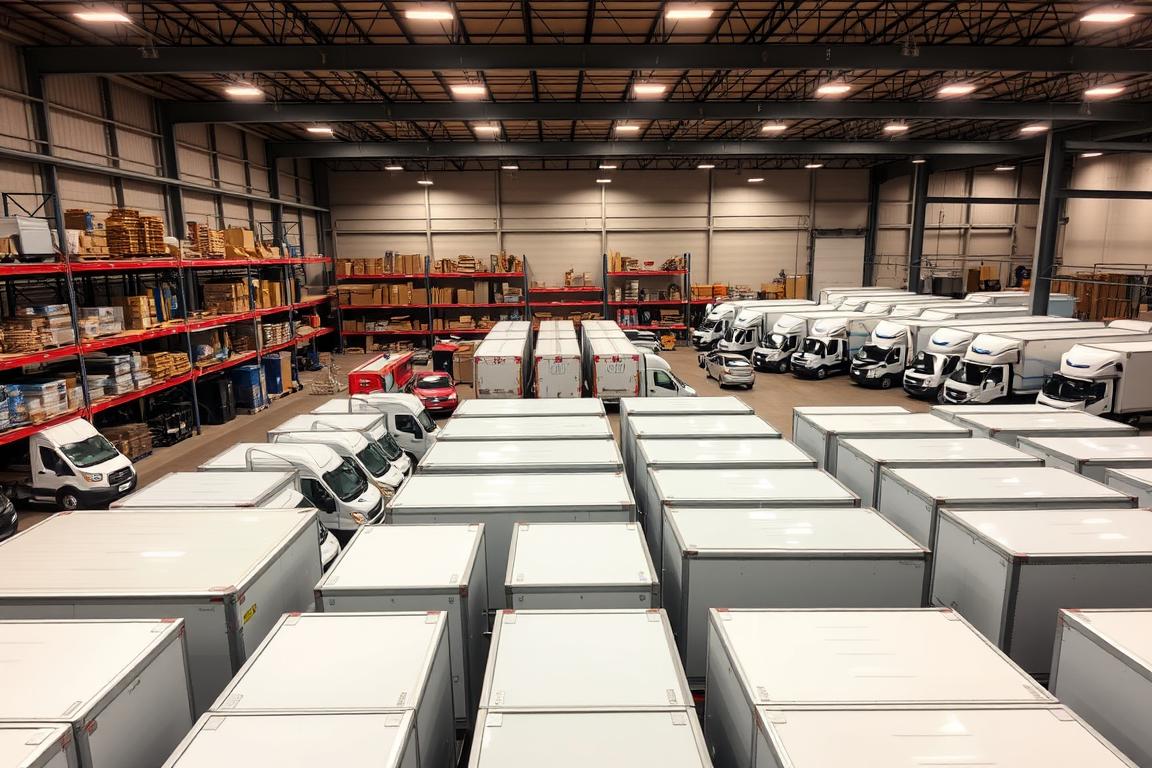
Tap “I’m Interested” to start a fast, tracked delivery. A single click connects you to the seller and opens scheduling, prep, and pricing details.
Many listings ship nationwide to home or business addresses. That removes the need to arrange a third-party hauler and speeds arrival.
Ask the seller to confirm price, the shipping window, and which prep services are included. Inspections, titling, tagging, and customizations can arrive done-for-you.
- Browse live inventory, shortlist a unit, and tap the interest action for fast responses.
- Request photos and dimensions to pre-verify garage and lot fit—measure twice to avoid surprises.
- For fleets, schedule staggered arrivals to keep operations running during additions or swaps.
“Clear upfront terms cut handoff time and reduce last-mile problems.”
I’ve shipped my own car and recommend confirming delivery insurance and prep notes before you pay. That way the unit shows up ready to work, with fewer headaches at handoff.
How to Choose the Right Transport Setup Today
Map your typical runs first—daily stops, longest hauls, and the tightest loading spaces.
Start with needs: note what you move most, how far you go, and how fast you must turn loads. This focus makes matching platforms simple.
If you have a capable tow vehicle, a trailer can cut initial cost. If not, a powered unit or a second smaller truck simplifies staffing and maintenance.
Confirm clearances and loading angles for typical vehicles—splitters, long wheelbases, and wide tracks change the choice.
Budget for more than price. Add insurance, service, and utilization to see when the purchase pays for itself.
“Plan for uptime—choose brands with service networks near your routes.”
- Spec extra tie-downs, lights, and power now to avoid costly retrofits.
- Run a quick TCO model: fuel, tires, brakes, and depreciation.
| Decision Point | Trailer | Powered Unit |
|---|---|---|
| Upfront price | Lower | Higher |
| Staffing | Needs tow vehicle operator | Single operator |
| Flexibility | Detachable, multiple sizes | Plug-and-go |
Conclusion
Use this summary to lock in a safe, efficient solution that fits your routes and budget. You now have a clear view of how to protect a car, load it safely, and pick the platform that matches daily needs.
Specs matter: door style, GVW, powertrain, and tie-down layout shape efficiency and long-term reliability. From light-duty units to enclosed trailers, the right match reduces stress and keeps schedules on track.
Ready to move? Shortlist top picks, confirm fitment and financing, and arrange delivery so you can start running with confidence. If you want a quick recommendation, I can help you pick the best vehicles and prepare the ideal trucks or hauler for your fleet.
FAQ
What types of enclosed carriers and trailers do you offer for vehicle transport?
We stock a range of enclosed carriers—from light duty vans with roll-up rear doors to high-cube, garage-door-style bodies and V-nose enclosed trailers. Options include straight truck transporters, cutaway van conversions, and single- through triple-axle trailers to match vehicle weight, size, and route needs.
How do I choose between a roll-up rear door and a ramp or garage-style door?
Choose a roll-up door for secure, compact storage and quick loading in tight spaces. Pick a ramp or garage-style door when you need easy drive-on access for low-clearance vehicles or equipment. Consider cargo height, loading equipment, and frequency of shipments when deciding.
What GVW and powertrain should I look for when transporting multiple vehicles?
For lighter loads, 8,600–14,050 lbs GVW models work well. Heavier commercial runs typically need higher GVW bands and more torque—look for gas or diesel options with 255–325 hp or larger V8 engines paired with automatic transmissions for smoother, reliable hauling.
Do you provide financing and delivery for trucks, trailers, and vans?
Yes—financing and delivery indicators are shown in live inventory. We offer payment estimates based on price, term, rate, and down payment. Delivery is available nationwide for many listings; check each unit’s details for eligibility and lead times.
Can these enclosed units serve as mobile workshops or trade-show vehicles?
Absolutely. Many customers convert enclosed bodies and trailers into mobile workshops or show rigs. Look for models with adequate cargo space, GVW margin, and available accessory packages—like shelving, power systems, and tie-down points—to support tools and displays.
How do I compare an enclosed box-style truck to an enclosed trailer for dealer deliveries?
A box-style vehicle offers integrated powertrain freedom and quicker positioning for frequent local drops. Trailers provide configurability and often lower initial cost per cargo foot. Consider delivery frequency, access needs, and whether you want a self-powered transporter or a trailer towed by a separate truck.
What factors affect the price and resale value of these transport vehicles?
Condition, mileage, GVW rating, door type, powertrain, manufacturer, and axle configuration all influence price and resale. Units with well-documented maintenance, popular body brands, and versatile cargo layouts retain value better. Live inventory filters help you compare prices across condition and options.
Are there options suitable for transporting performance or low-clearance vehicles?
Yes—garage-door-style rear openings, adjustable ramps, and low-floor enclosed trailers are designed for delicate, low-clearance cars. Choose units with sturdy tie-down points, interior lighting, and climate control if needed for long-haul moves.
What should I look for in a trailer or body when I plan to carry tools, parts, and equipment along with vehicles?
Prioritize GVW that covers combined payload, interior cargo space, reinforced flooring, and accessible door styles. Interior shelving, E-track, and secure storage boxes help keep tools organized. Confirm axle ratings and suspension match your total load.
How quickly can I get a unit delivered after I click “I’m Interested”?
Delivery timelines vary by location, availability, and equipment. Some units ship quickly with nationwide delivery options; others require prep or customization. Use the inventory filters for delivery-ready units and contact sales for exact lead times.
Do you accept trade-ins and how does trade equity affect financing?
We do accept trade-ins. Trade equity reduces your financed amount and monthly payments. Our financing team factors trade value into payment estimates and can show how different down payments and terms affect your monthly cost.
Can I find units tailored for dealer-to-customer deliveries and fleet use?
Yes—our inventory includes straight truck transporters and parcel-van-style carriers configured for dealer deliveries. These models prioritize fast loading, easy access, and efficient routing—ideal for high-volume fleet operations.
What maintenance should I plan for enclosed transport vehicles and trailers?
Regularly service the powertrain, brakes, tires, suspension, and door mechanisms. Inspect tie-downs, interior flooring, and lighting. For diesel units, follow manufacturer intervals for fuel and emissions systems to keep the vehicle reliable and in compliance.
Which brands and body manufacturers are trusted for long-term vehicle transport?
Reliable manufacturers with strong support networks and established body lines are best. Look for proven chassis brands paired with specialized enclosed-body builders known for durable floors, secure doors, and comprehensive accessory options to protect your cargo and investment.