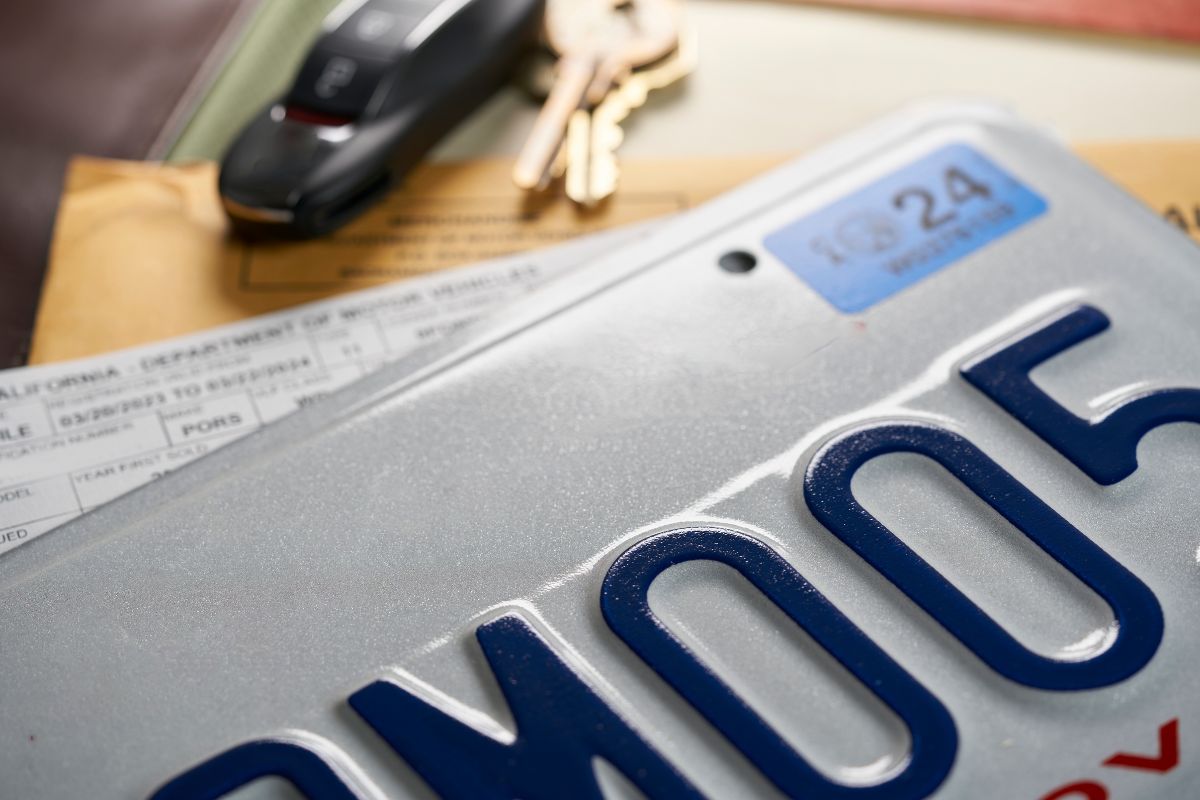

You’ve just crossed the border into your brand-new state, the moving truck’s finally unloaded, and boxes are stacked like a cardboard skyline in your living room. You sit down to catch your breath… and then it hits you: “Wait—what about my car registration?” It’s one of those easily forgotten, but legally critical details that could cause real headaches if ignored. Whether you’re relocating for work, family, or a fresh start, car registration moving states is something you’ll want to handle quickly—and correctly.
When you move to a different state, your vehicle doesn’t automatically come along with the proper legal tags. Each U.S. state has its own Department of Motor Vehicles (DMV), and their rules can vary dramatically. Some states require emissions testing, others ask for proof of insurance issued within that state, and all of them have deadlines—usually between 30 and 90 days—to get your registration updated. Failing to do so can result in fines, towed vehicles, or even issues with your insurance coverage. That’s why understanding how to transfer your vehicle registration should be right up there with setting up your new utilities.
Moving to a new state and worried about car registration?
It’s important to plan both the legal side and the transport side. Start with how to transport a vehicle to another state to understand the shipping process, then look at registration rules in your new state.
For full move planning and real route examples, check:
Registering your car in a new state isn’t just about checking a box—it’s about aligning with local laws, ensuring your car is road-legal, and avoiding unexpected penalties. Plus, many states require you to update your driver’s license, vehicle title, and even your auto insurance to reflect your new address. Neglecting these details can create a domino effect that’s far more stressful than it needs to be. So if you’re searching for answers related to switch car registration different state, you’re absolutely asking the right questions at the right time.
Here’s the good news: the process doesn’t have to be overwhelming. With the right preparation, car registration moving states can be a smooth part of your transition. In the rest of this guide, we’ll break down step-by-step what you need to do, highlight common mistakes to avoid, and make sure you know exactly how to transfer a car from one state to another—without losing time or peace of mind. Because let’s be honest: life’s too short for DMV drama.
Table of Contents
Why Car Registration Matters When Moving States
When you relocate across state lines, car registration moving states becomes more than a bureaucratic detail—it’s a legal obligation. Each state has its own Department of Motor Vehicles (DMV) or equivalent agency, and you’re expected to register your vehicle within a set timeframe, often within 30 to 60 days. Failing to do so can lead to fines, late fees, or even impoundment if you’re pulled over with outdated tags. It’s not something you want to leave for later.
Beyond legal compliance, updating your vehicle registration is crucial for your car insurance. Most insurance providers require that your policy reflects your current state of residence. If you’re in an accident or file a claim, having the wrong address or out-of-state plates could jeopardize your coverage—or worse, result in a denied claim. That’s why it’s essential to handle switch car registration different state tasks alongside updating your insurance policy. Both go hand-in-hand when establishing residency.
Another factor to consider is vehicle tax and inspection requirements, which vary by state. Some states charge property tax on vehicles annually, while others don’t. Emissions and safety inspections may also be mandatory before you can complete your registration. For instance, California has strict smog checks, while Florida has none. Not knowing your new state’s requirements can delay your registration or lead to surprise expenses. A quick check on your state’s DMV website can save a lot of trouble later.
To sum it up, handling your car registration when moving states protects you legally, financially, and logistically. It ensures your driver profile, insurance, and vehicle documentation are all aligned under the new jurisdiction. If you’re planning the move—or already settled in—make this a top priority. Knowing how to transfer car from one state to another the right way can spare you unnecessary stress and keep your move running smoothly.
When Do You Need to Update Your Car Registration?
Once you’ve officially changed your residence, there’s a ticking clock on your car registration moving states process. Most states require you to update your vehicle registration within 30 to 90 days after establishing residency. This countdown often begins the moment you get a new driver’s license, sign a lease, or start a job. Ignoring this deadline can result in fines, penalties, or even the inability to legally drive your vehicle.
Some states are especially strict. For instance, California gives you only 20 days to complete your registration, while Texas offers 30 days. Other states, like Florida or Arizona, may allow a bit more flexibility, but the point is: you don’t want to guess. Always check with your new state’s Department of Motor Vehicles (DMV) or equivalent agency for exact timelines. If you’re wondering how to stay compliant when you switch car registration different state, it starts with knowing your deadline.
Failing to meet the required timeframe can lead to late registration fees, and in some cases, increased scrutiny from law enforcement. If you’re pulled over with expired or out-of-state plates after your grace period, you could face tickets, vehicle impoundment, or a suspension of your driving privileges. Even worse, it might raise red flags with your auto insurance company, putting your coverage at risk. So yes—this step is not optional.
To stay ahead of the curve, we recommend creating a checklist with key tasks right after moving:
| Task | Deadline (Typical) | Notes |
|---|---|---|
| Get new driver’s license | Within 30 days | Needed before registering vehicle |
| Register your vehicle | 30–90 days | Depends on state laws |
| Update auto insurance | ASAP | Must match new state address |
| Vehicle inspection (if required) | Before registration | Smog/safety tests in some states |
Keeping these tasks aligned ensures your car registration moving states experience is seamless and stress-free. Proactively researching how to transfer car from one state to another before your move can save time and help you avoid costly mistakes.
Step-by-Step Guide: Car Registration After Moving to a New State
If you’re wondering how to transfer car from one state to another, this is the section you need. Whether you’re relocating permanently or temporarily, following a clear process can save you time, money, and frustration. Car registration moving states isn’t complicated—but it does require attention to detail. Below, you’ll find a straightforward, step-by-step breakdown to make the process painless.
Step 1 – Gather Required Documents
Before you head to the DMV, collect all the necessary paperwork. You’ll typically need:
- A valid driver’s license from your new state,
- Your current vehicle title (or lienholder documentation if the car is financed),
- Proof of residency (like a utility bill, lease agreement, or mortgage statement),
- Your previous registration certificate,
- And proof of insurance that complies with your new state’s requirements.
Having these documents ready ensures your registration process moves quickly and smoothly. Some states may also require a VIN inspection or emissions test, especially if you’re registering an out-of-state vehicle for the first time.
Step 2 – Visit the Local DMV or Use Online Tools
Next, visit your local Department of Motor Vehicles (DMV) or equivalent agency (like the BMV, RMV, or MVD, depending on the state). While some locations still accept walk-ins, many now require you to book an appointment online. Several states also offer online registration portals, making it possible to submit your documents and pay fees without ever leaving home.
Here’s a quick comparison:
| Option | Pros | Cons |
|---|---|---|
| In-person DMV visit | Immediate processing | Long wait times, limited hours |
| Online portal | Convenient, quick | Not available in every state |
No matter which method you choose, make sure you’re registering the vehicle within your state’s deadline. Late registration often results in additional fees or penalties, especially in states with strict enforcement policies.
Step 3 – Pay Applicable Fees and Get New Plates
Once your application is processed, it’s time to pay the registration fees. These vary widely depending on your new home state and factors like your vehicle’s weight, age, and market value. For example, registering a car in Oregon may cost around \$112, while the same vehicle in New York could run over \$200.
Trying to coordinate registration, insurance and shipping at the same time?
Use moving cross country for overall move planning, how to buy a car online out of state for paperwork tips, and North Carolina to Michigan auto transport as a real-world route example.
After payment, you’ll receive either temporary plates (valid for 30 to 90 days) or your permanent license plates. You may also get updated registration stickers and a new registration card to keep in your glove box. Don’t forget to affix the plates and display the sticker—driving without them could get you pulled over.
Completing this process promptly ensures your switch car registration different state is legal, secure, and hassle-free. Taking the time to follow each step makes the whole how to transfer car from one state to another journey feel less like paperwork—and more like peace of mind.
Key Differences Between States
If you’re planning to switch car registration different state, it’s essential to understand that not all DMVs are created equal. Each state has its own set of rules, fees, inspection requirements, and tax structures that can significantly impact your registration process. Overlooking these differences can lead to delays, unexpected costs, or even non-compliance with local vehicle laws.
Take emissions testing, for example. If you’re moving from a state like Florida, where no smog check is required, to California, you’re in for a surprise. California has some of the most stringent vehicle emissions standards in the country. Your car may need to pass a smog inspection before you’re even allowed to register it. On the flip side, states like Texas or Arizona may have more relaxed requirements, especially for newer vehicles or those powered by electricity.
Another major variation is in title transfer procedures. Some states, such as Illinois, require that both the buyer and seller be present at the DMV to finalize the title transfer. Others allow you to mail in your documents or handle the entire process online. In most states, if you’re still financing your vehicle, the lienholder will need to send documentation directly to the DMV—delaying the process unless coordinated early.
Then there’s the issue of fees and vehicle taxes. These can vary wildly by location. For instance, registering a mid-sized sedan in Oregon could cost less than \$120, while that same car might rack up hundreds in annual taxes in a state like Virginia, which imposes a personal property tax on vehicles. Here’s a brief overview:
| State | Emissions Test | Title Transfer Type | Vehicle Tax Style |
|---|---|---|---|
| California | Required | In-person or mail | High registration fees |
| Florida | Not required | In-person | Low fees, no property tax |
| Virginia | Varies by area | Online or in-person | Annual personal property |
| Arizona | Required (some) | Online available | Moderate flat fee |
Understanding these differences makes your car registration moving states process smoother and prevents last-minute surprises. The more you research upfront, the easier it is to plan, budget, and comply with the law—no matter how to transfer car from one state to another.
Pro Tips to Make the Process Smoother
Successfully navigating car registration moving states doesn’t have to feel like a DMV nightmare. With a few smart moves and some planning ahead, you can save hours of your time and avoid common frustrations. The key is to be proactive, organized, and a little strategic when dealing with state motor vehicle departments.
Tip #1: Combine tasks when possible. Instead of making multiple trips, aim to register your vehicle and update your driver’s license in the same visit. Many states allow you to handle both at once, which means fewer appointments and faster processing overall. Not only does this align your ID and registration with your new state of residence, but it also helps avoid mismatched records that can cause insurance hiccups or penalties later on.
Tip #2: Always check the DMV website before you go. State motor vehicle departments vary widely—not just in rules, but in how they operate. Some offer online pre-registration, while others require in-person appointments only. Calling ahead or browsing the DMV’s website can give you a heads-up on required documents, estimated fees, and whether you’ll need a vehicle inspection or VIN verification. This is especially helpful when you’re about to switch car registration different state, where every detail counts.
Tip #3: Timing matters more than you think. Want to avoid long lines and DMV burnout? Plan your visit mid-week, preferably in the morning, and avoid the beginning or end of the month when foot traffic spikes. Some DMVs also offer self-service kiosks for simple tasks, and certain states provide online appointment scheduling tools that let you skip the waiting room altogether.
Here’s a quick checklist to smooth the process:
- 🗂️ Have all documents ready (license, title, proof of residency, insurance)
- 🖥️ Visit your state’s DMV website for exact requirements
- 📅 Book appointments in advance when available
- 🏷️ Consider temporary tags if permanent plates take time
- 🚗 Don’t forget to update your insurance policy with your new address
With just a little prep, the often-dreaded process of how to transfer car from one state to another becomes significantly easier. And honestly, getting this done right means more time enjoying your new home—and less time stressing over paperwork.
Common Mistakes People Make (And How to Avoid Them)
Even the most organized movers can slip up when handling car registration moving states. It’s easy to get caught up in unpacking, job hunting, or finding the nearest grocery store—but ignoring vehicle registration requirements can lead to fines, delays, or worse. Let’s take a look at the most common pitfalls and how to stay ahead of them.
Mistake #1: Waiting too long to register your vehicle. Many states give you a 30- to 90-day grace period after establishing residency, but this can fly by faster than you think. Missing the deadline could result in late fees, difficulty renewing your driver’s license, or even legal penalties. To avoid this, make car registration part of your moving checklist and schedule your DMV appointment as soon as you settle in.
Mistake #2: Forgetting to update your car insurance to match your new state. Auto insurance isn’t one-size-fits-all. Each state has its own minimum coverage requirements, and driving with an out-of-state policy could put you at risk. Some insurance providers may not even cover accidents if your policy doesn’t reflect your current address. When you switch car registration different state, be sure to contact your insurer and update your details to remain compliant.
Mistake #3: Not checking your new state’s inspection or emissions rules. One of the most overlooked parts of how to transfer car from one state to another is the vehicle inspection process. Some states—like California or New York—require emissions testing before you can register your car. Others might need a VIN verification or safety inspection. Skipping this step could delay your registration and result in additional trips to the DMV.
Here’s a quick “don’t forget” list to stay on track:
- ⏳ Register your vehicle as soon as you establish residency
- 📞 Update your insurance policy with your new address and coverage level
- 🔍 Confirm if emissions or safety inspections are needed
- 📄 Keep all required documents organized and accessible
Avoiding these common mistakes ensures your car registration moving states experience is smooth, legal, and stress-free—so you can focus on enjoying your new home, not chasing paperwork.
Conclusion
Handling car registration moving states might not be the most exciting part of relocating—but it’s definitely one of the most important. From meeting legal deadlines and updating your driver’s license to aligning your auto insurance and passing inspection tests, every step ensures that your transition to a new state is smooth, safe, and compliant. Ignoring these responsibilities could result in unexpected fines, lapses in coverage, or even trouble with law enforcement.
The good news? With a bit of preparation and awareness of each state’s unique rules, you can switch car registration different state without headaches. Whether it’s scheduling your DMV visit early, gathering the right paperwork, or checking your emissions testing requirements, taking action now means one less thing to worry about as you settle into your new home. Don’t let something as simple as overdue plates put a dent in your fresh start.
Remember, this isn’t just about ticking boxes—it’s about protecting your rights as a driver and making sure your vehicle is road-legal and insured. Knowing how to transfer car from one state to another empowers you to avoid delays, stay organized, and keep your focus on what matters most: building your life in a new place with peace of mind.
Need help? Find your new state’s DMV guide right here and take care of your car registration moving states before the clock runs out.
Got questions or ready to ship your vehicle? https://j316transport.com/Visit our homepage and let’s get moving! 🔧📦
Final checklist for car registration when moving to another state
First, make sure your transport plan is solid with how to transport a vehicle to another state . Then review: