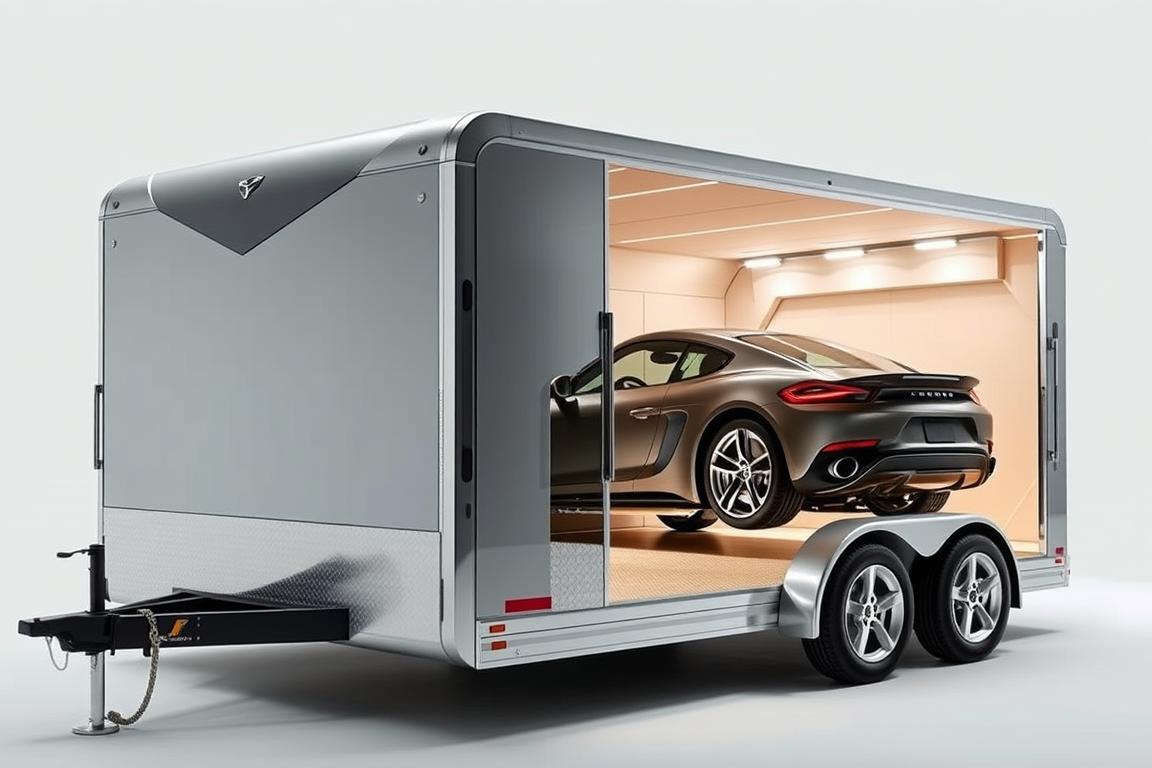

I run a dedicated transport service built around a purpose-equipped unit that carries two vehicles inside a protected space. I treat your vehicle like it’s my own—clean, secure, and documented at pickup and delivery.
My focus is safety, clear communication, and on-time arrivals. I use gear designed for long runs, precise loading, and repeatable securement so your enclosed car stays safe from weather and road debris.
Practical planning matters: I size loads for gooseneck lengths, allow for the connection area, and follow secure tie-down practices with multiple points to protect low splitters and performance tires.
I coordinate around event dates, dealer windows, and auction timelines. From the first quote to final handoff, I keep you informed and make the move predictable and low stress.
Summary
Table of Contents
Secure, Personalized Transport for Your Prized Cars

I custom-fit each move to your vehicle, documenting dimensions, clearance, and special handling so it rides precisely how it should. Personalized planning reduces surprises and protects finish, glass, and trim.
Enclosed protection blocks rain, salt, and road debris—ideal for limited-run and high-value models. I rely on proven gear and brands like Car Mate and DuraBull for durability and a smooth ride, including thicker .032 aluminum roofs and Dexter torsion axles where appropriate.
What you get:
- Direct communication from me—no third-party handoffs.
- Route planning with realistic ETAs and proactive check-ins.
- Loading techniques that protect suspension and tires for performance setups.
I treat every vehicle like it’s irreplaceable—verified tie-downs, protective padding, careful placement, and photo updates at pickup and delivery for clear records and peace of mind.
Who This Enclosed Car Hauler Service Is Built For
I provide tailored transport solutions for owners and businesses that require showroom-level handling and predictable delivery.
Collectors, Enthusiasts, and Track-Day Drivers
If you collect rare models, I move them discreetly and cleanly. I pay attention to finish, panel alignment, and rough roads.
Track drivers count on timely delivery so they can prepare for tire changes and tech inspections. I give clear arrival windows and handle prep coordination.
Dealers, Auctions, and Specialty Shops
Dealers and auction teams get showroom-ready arrivals and consistent condition reporting. I work to preserve presentation and protect inventory value.
Specialty shops appreciate scheduling that aligns with build timelines, dyno bookings, and alignment appointments. Communication stays direct—no middlemen, no confusion.
- Preservation-focused handling for originality and aero protection.
- Flexible loading for mixed wheelbases and wide-track vehicles.
- Business-friendly workflows that mirror dealer and shop operations.
I protect both function and presentation—no rushed tie-downs, no corner-cutting. Your vehicle arrives ready for service or show.
2 car hauler enclosed trailer: What I Operate and Why It Matters
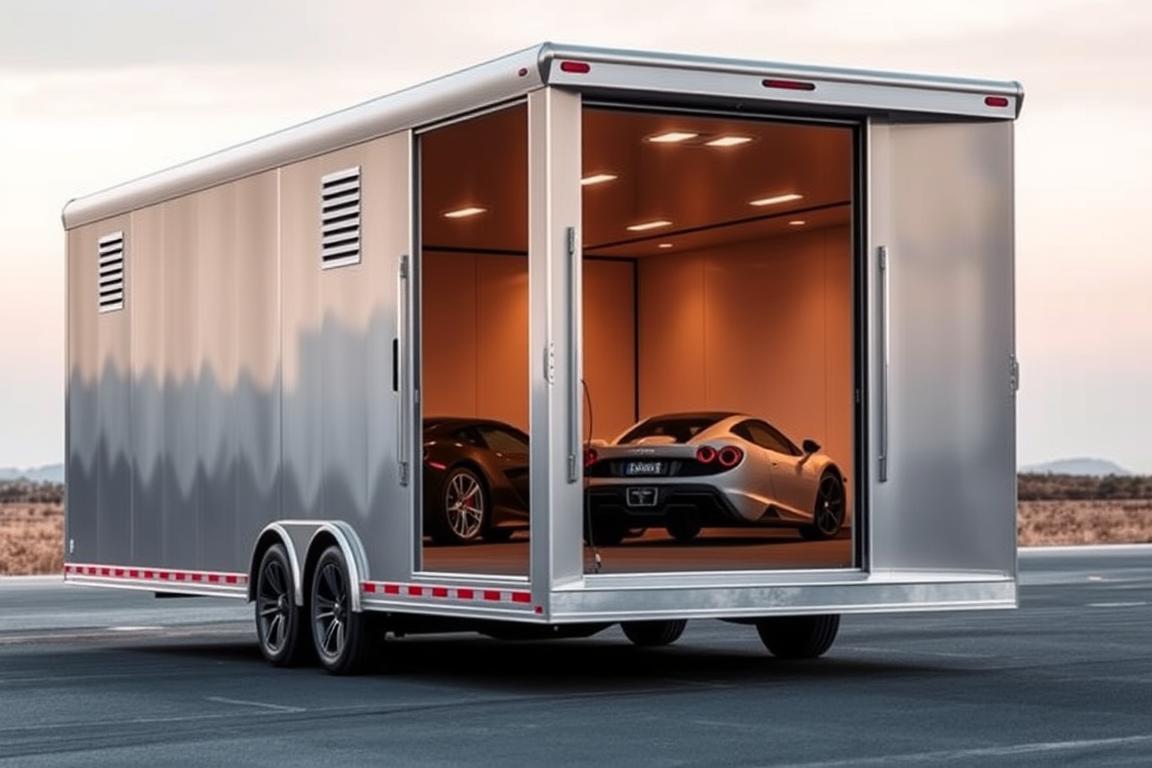
I choose specific rigs and setups that match the job—stability, protection, and efficient use of space guide every decision. Picking the right type affects handling, maintenance costs, and how your vehicle rides over long distances.
Enclosed gooseneck and stacker configurations
Gooseneck units (typically 40–53 feet) give excellent highway stability and predictable turning. They spread weight over the tow vehicle for smoother lane changes and safer on-ramp merges.
Stacker setups use a hydraulic lift so I can place one vehicle above another safely. That saves floor length and lets me load mixed wheelbases without cutting corners.
Aluminum and steel frame options for optimized performance
I pick aluminum when corrosion resistance and long-term resale matter. It often needs less upkeep. I choose steel when rugged duty and higher payloads are the mission.
The frame choice influences lifecycle costs and maintenance cadence—this is about value over time, not just the sticker price.
Radial tires, suspension, and ride stability
Radial tires and a well-tuned suspension improve ride quality and protect sensitive underbody parts and alignments. I also evaluate axle ratings, brake balance, and weight distribution to ensure confident handling under load.
Proper floor-length planning ensures enough space for two vehicles while keeping ramp angles safe. In short, the equipment I deploy depends on your vehicle dimensions, access at pickup and delivery, and timing needs.
- Stability: gooseneck geometry for highway predictability.
- Efficiency: stackers save floor space with a safe hydraulic lift.
- Longevity: frame material chosen for mission and resale.
Configurations That Fit Your Vehicles and Use Case
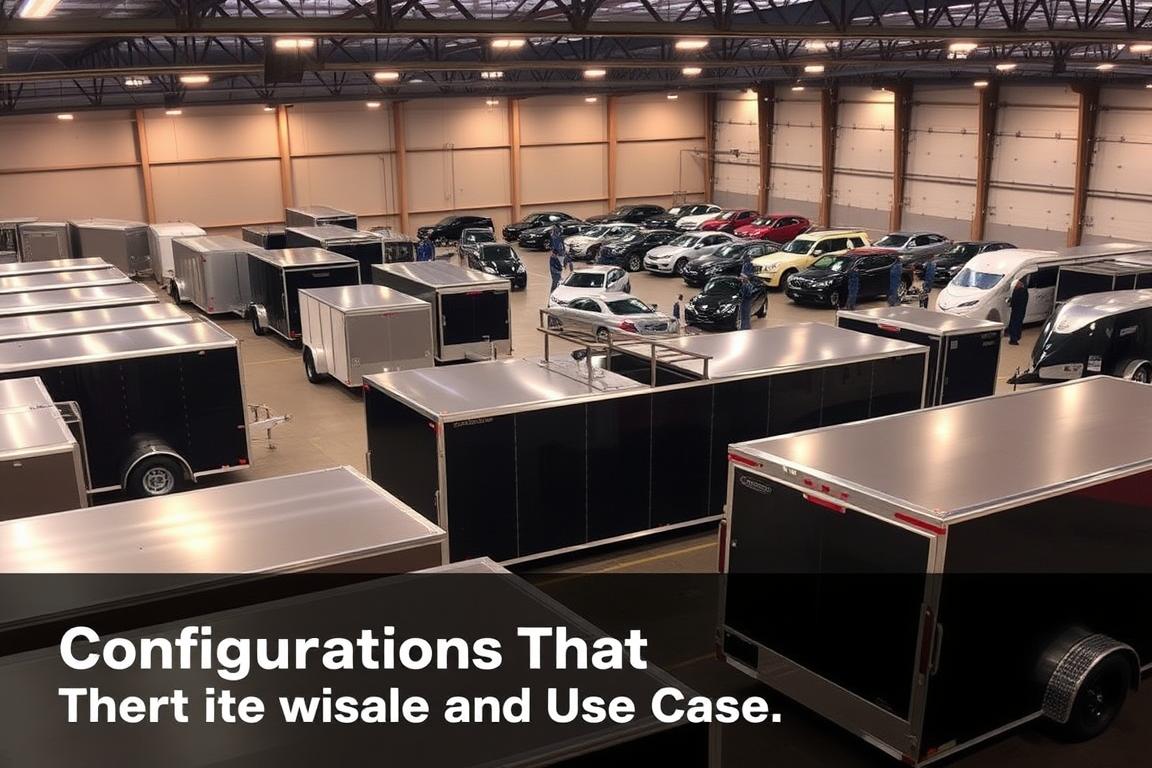
Matching your vehicle dimensions to the right equipment prevents surprises at pickup and delivery.
I review usable floor length, ramp angles, and access before assigning a unit. That planning keeps loading smooth and reduces handling risk.
Enclosed gooseneck: capacity, floor length, and turning stability
For gooseneck rigs I subtract the 8-foot gooseneck area from overall length to get usable floor space. A 48′ overall unit normally yields about 40′ of floor, enough to stage two vehicles with clearance.
Benefit: better weight distribution and turning stability on highways and in tight urban spots.
Stacker setups: hydraulic lift advantages for two-vehicle loading
Stackers (24–34 ft typical) use a hydraulic lift so I can position one vehicle above another. That reduces loading stress and maximizes interior use.
Bumper-pull stacker considerations for shorter runs
For short routes or tight driveways a bumper-pull stacker offers simpler hookups and nimble handling. I still verify door swing, ramp alignment, and tie-down points before dispatch.
| Configuration | Usable Floor | Best Use |
|---|---|---|
| Gooseneck | Overall 48′ → ~40′ floor | Long hauls, highway stability |
| Stacker | 24–34′ with lift | Mixed lengths, space-efficient loading |
| Bumper-pull stacker | Shorter decks, nimble | Local moves, tight access |
How I apply this: I match the unit type to your vehicle’s length, height, and approach angles. That way I protect performance components and speed up securement.
Load Security Systems That Protect Your Investment
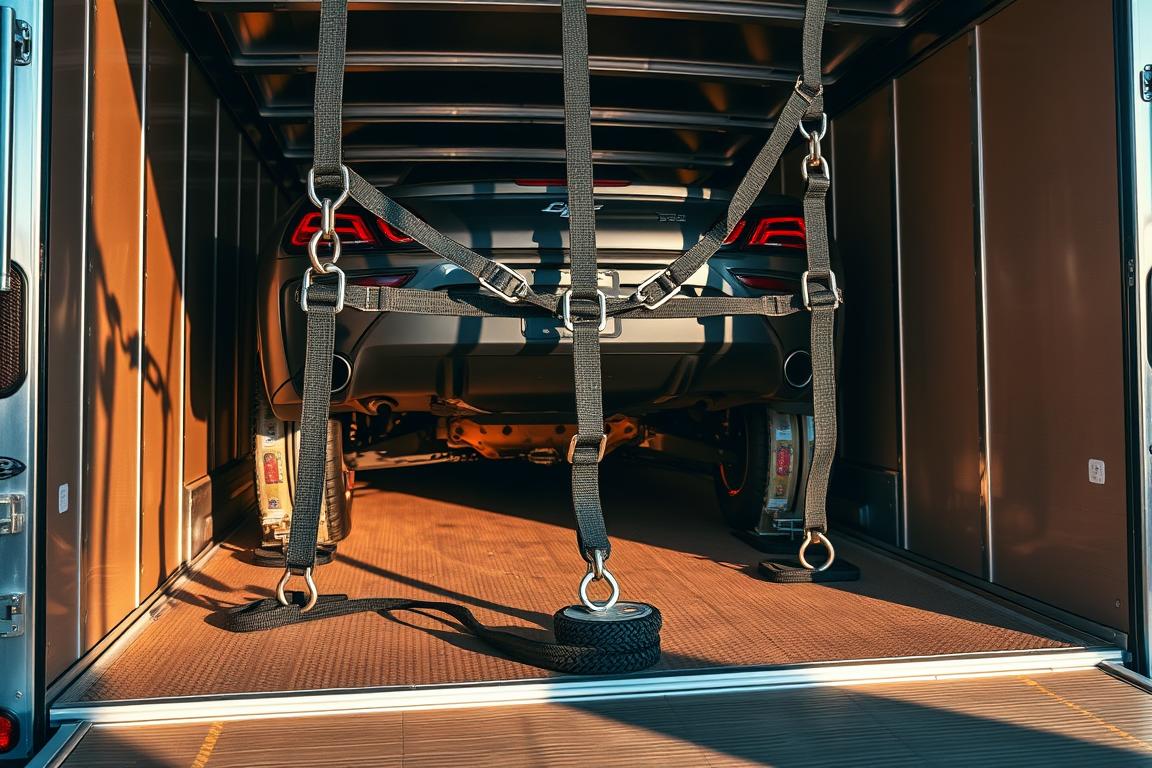
Choosing the right anchor points and straps protects both the vehicle and the carrying frame. I prioritize securement systems that match vehicle size and trip length. That reduces movement and prevents localized stress on structures.
D-Rings for fixed-point strength
I use D-Rings when vehicles share wheelbase and geometry. Fixed points deliver fast, repeatable securement and high-capacity restraint.
E-Track for flexible placement
For mixed fleets, E-Track rows let me place strap hooks inches apart. That fits odd lengths and makes strap angles consistent.
Minimum tie-down points and best practices
Standard practice is a minimum of six tie-down points per vehicle. I add more for long hauls or unusual loads.
- I recheck strap tension during stops and monitor angles for balanced loads.
- I inspect anchor areas to avoid concentrated stress on the frame or chassis.
- For sensitive undertrays I use wheel nets or soft-loop methods to protect suspension arms.
- Strap materials are rated to route conditions and environmental exposure.
| System | Best For | Key Benefit |
|---|---|---|
| D-Ring | Similar wheelbases | Speed and repeatability |
| E-Track | Mixed dimensions | Placement every few inches |
| Wheel nets / soft-loop | Sensitive undertrays | Non-invasive protection |
Result: predictable handling, preserved finish, and documented securement with photos before I close the enclosed car compartment. That gives you real peace of mind on every run.
Ramp Door, Door Placement, and Loading Workflow
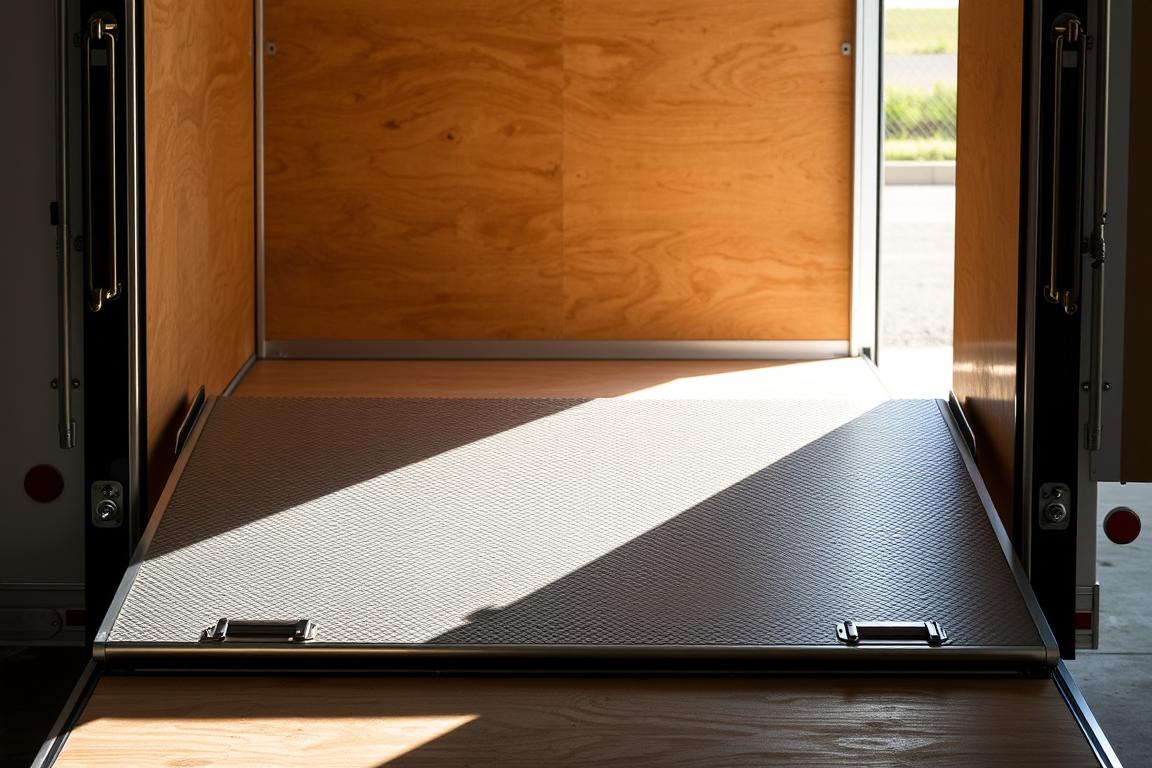
Loading begins with a clear plan: correct ramp angle, measured door clearance, and a step-by-step sequence. That plan reduces risk and keeps the move calm for everyone involved.
Full-width ramp door for low-clearance vehicles
Full-width ramp doors give larger approach areas and gentler inclines. I use them to protect low splitters and aero bits during entry.
I carry ramp extensions and blocks when needed to shallow the angle further. This keeps lips, diffusers, and exhaust tips safe during every transfer.
Side access and safer ingress/egress
Side doors let me enter without opening main bays. That keeps the load area protected and provides safer footing when guiding a roll-in.
I pre-measure mirror span and width so nothing contacts interior panels. I confirm steering lock, parking brake, and chocks before final tie-down.
Repeatable loading workflow
Sequence matters: I plan first-in/last-out loading so the right unit reaches the ramp when needed. I perform spot checks at threshold transitions and follow a consistent checklist.
Result: faster turnarounds with the same careful steps that preserve panels and finishes.
| Feature | Benefit | When I Use It |
|---|---|---|
| Full-width ramp door | Shallow approach, protects low parts | Low-clearance vehicles, shows, long hauls |
| Ramp extensions | Further reduces angle, safer roll-in | Very low vehicles or steep driveways |
| Side door access | Safe entry, quick checks, no bay swings | Tight sites or when interior access is needed |
Trailer Materials, Frame, and Corrosion Resistance
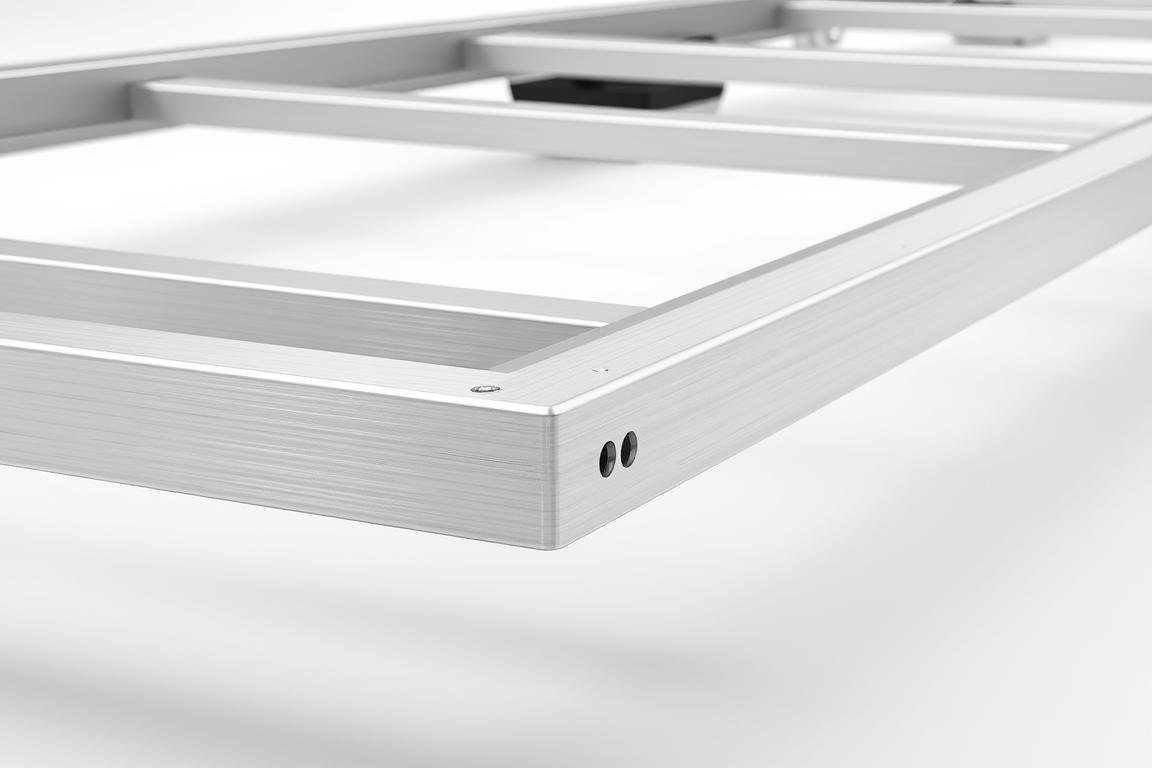
A well-chosen frame and roof cut future maintenance and preserve resale value. Materials matter more than curb weight when you plan for long service life.
Aluminum vs. steel: I recommend aluminum when corrosion resistance and cleaner resale math matter, especially for coastal or winter routes. Aluminum frames resist rust and often deliver higher resale results.
Steel is rugged for heavy use, but its long-term upkeep can increase cost. In practice, weight savings versus steel may be modest—less than 10% in some builds—so the real win is rust protection and lower maintenance.
Roof design and long-life features
One-piece aluminum roofs reduce seam failure and leaks that harm finishes and interiors. Car Mate’s .032 aluminum roof is about 25% thicker than many alternatives and comes with a lifetime warranty for confidence.
Practical upgrades—like electrolysis protection wraps and cobra-lined frames—fight corrosion and extend service life. Covered Wagon’s one-piece approach shows how design choices cut maintenance and boost trade-in value.
“Choose materials that match the route exposure and the level of care your vehicles need.”
- Recommendation: pick aluminum for long-term protection and stronger resale.
- When steel fits: choose it for heavy-duty, high-payload missions.
Dimensions, Height, and Ground Clearance Considerations
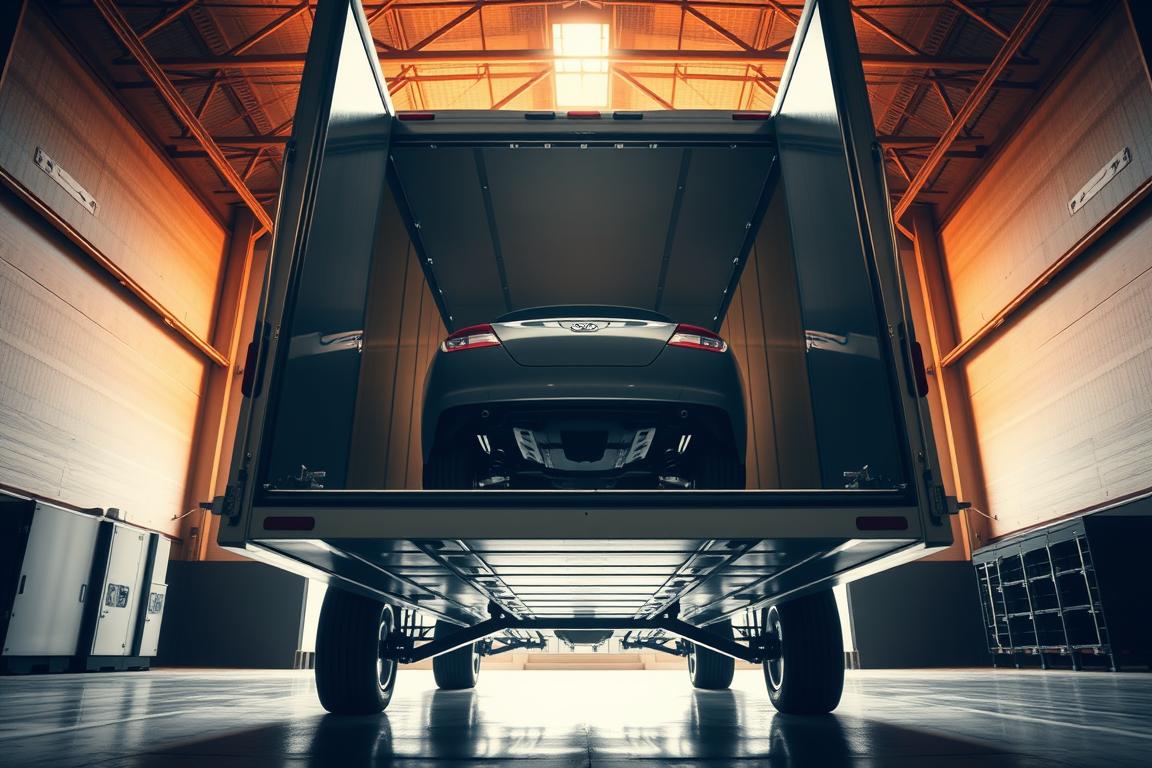
Good planning starts with precise measurement. I verify usable floor length, interior height, and ramp angle before I assign a unit. This keeps loading safe and predictable.
Overall length vs. usable floor length on goosenecks
Remember that gooseneck overall length includes roughly eight feet for the neck. A 48-foot unit typically yields about 40 feet of usable floor.
Why that matters: I use the true floor length to stage two vehicles with room for tie-downs and walking space.
Extra height and low-profile loading for performance vehicles
Premium builds often offer extra interior height. That helps when a vehicle has roof accessories or higher roofs.
For very low cars I apply low-profile loading techniques—ramp extensions, blocks, and a slow approach—to avoid contact with splitters or mid-chassis points.
- I always confirm wheelbase and overall length against usable floor before booking.
- I check width and mirror spread so I can move safely around the vehicle inside the unit.
- On steep sites I plan loading on level ground to reduce breakover risk.
Result: precise measurements and careful methods protect paint, carbon fiber, and suspension while keeping the move drama-free and on time.
Fleet-Grade Equipment Inspired by Top Enclosed Car Trailers

I build my equipment list around brands and options that deliver predictable protection and uptime. That approach keeps handling consistent and serviceable across routes.
Value-focused setups akin to Panther and Covered Wagon
Panther and Covered Wagon guide my choices when I need dependable, cost-conscious gear. They show how smart design creates long service life without excess cost.
Premium durability signals aligned with Car Mate and Wells Cargo
For heavier-duty runs I lean on hallmarks from Car Mate and Wells Cargo. Strong doors, solid roofs, and long-life components reduce surprises.
- Aluminum frames and Dexter torsion axles (a DuraBull trait) improve ride stability and longevity.
- Xtreme-style upgrades—extra height and .080 polycore skins—fit specialized loads.
- I evaluate parts availability, serviceability, and nationwide support (Ron’s Toy Shop style) before finalizing a unit.
Result: a fleet-grade mindset that matches trailers, car trailers, hauler trailers, and cargo trailers to your budget and protection goals. This yields consistent outcomes mile after mile.
Performance, Value, and How I Match Trailer Type to Your Cars

Matching your car’s measurements to the right equipment is the first step toward a worry-free move.
How I decide: I record lengths, wheelbases, and clearances. Then I match the correct type so safety and speed are not compromised.
If long-haul stability matters, I favor gooseneck units in the 40–53 foot range for better turning and highway poise.
- If interior height and fast two-vehicle loading are priorities, I choose stackers (24–34 ft) with reliable lifts.
- I calculate usable floor length precisely so each car fits with room for securement and walking space.
- When corrosion exposure is likely, I prefer aluminum frames to protect finish and improve resale value.
I fine-tune tie-down strategy per vehicle for predictable handling and fewer strap checks en route. I also weigh costs and timelines to deliver real value while keeping care high.
Result: you get clear choices, a simple explanation of tradeoffs, and a car hauler selection that balances safety, route limits, and the performance you expect.
Nationwide Coverage from a U.S.-Based Operator
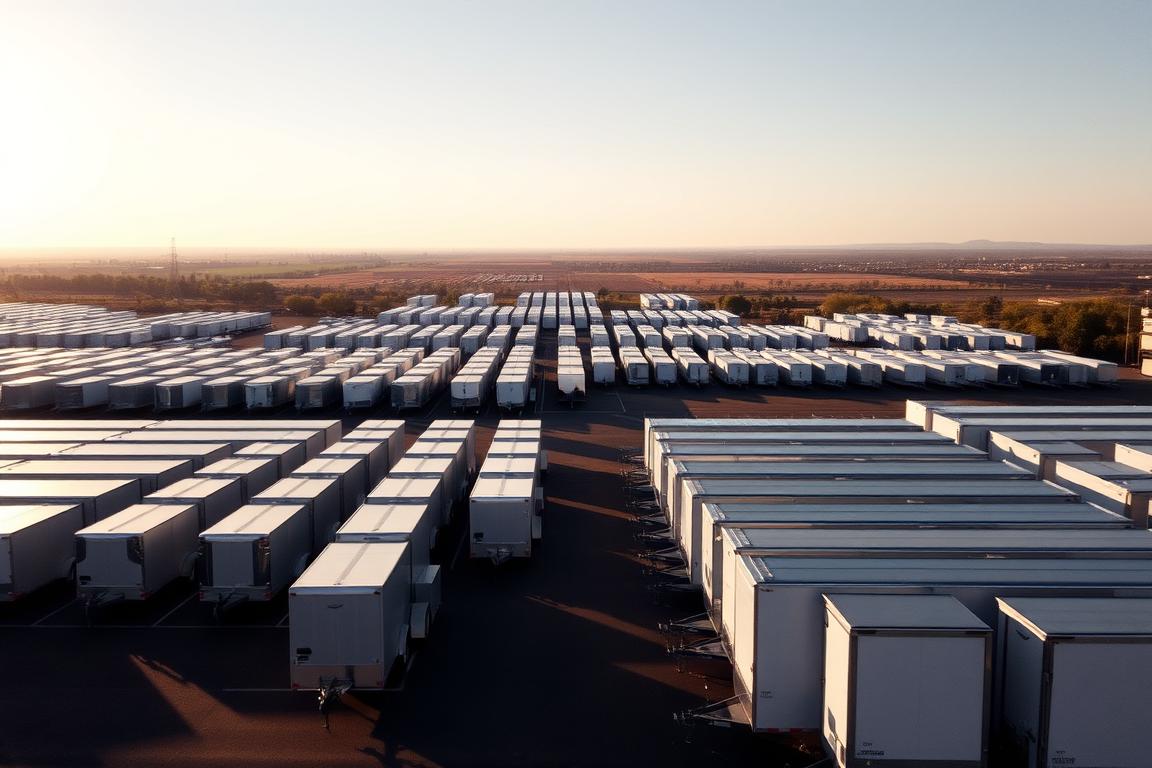
I deliver coast-to-coast service from a U.S. base, planning each route to keep your vehicles on schedule and protected.
Fast timelines are calibrated to route, distance, and expected conditions. I build realistic ETAs from traffic data, fuel and rest stops, and mandatory inspections. If weather shifts, I update you and reroute to preserve safety and timing.
Fast timelines calibrated to route and distance
I map fuel, rest, and inspection points so stops are efficient and predictable. I maintain seasonal readiness—tires, brakes, and seals checked—before long runs. That reduces delays and keeps the schedule tight.
Weather-ready, enclosed cargo protection coast to coast
My enclosed protection blocks road grime, hail, and UV so your enclosed car stays presentable on arrival. I coordinate with receiving facilities on access windows and quiet-hour rules to avoid surprises.
| Service Element | What I Do | Benefit |
|---|---|---|
| Route planning | Alternate corridors and construction avoidance | Fewer delays, on-time delivery |
| Operational readiness | Seasonal checks and inspection points | Safe, uninterrupted runs |
| Documentation | Pickup and delivery photos, single contact | Traceable condition and clear communication |
Result: coast-to-coast moves that arrive clean, secure, and documented. With a single point of contact you always know where your car is and what’s next.
Transparent Booking, Sorting Routes, and Getting a Quote

A smooth booking begins with exact measurements and clear timing. Provide make/model, overall length, width, and wheelbase so I can sort the right unit and confirm usable floor length. Accurate info prevents fit issues at pickup and speeds up securement.
What to include: vehicle dimensions, height, and special instructions
Tell me about ground clearance, aero packages, roof accessories, and any unusual gear. Note door opening needs and whether side access is preferred so paint and interiors stay protected.
- Share exact make/model, length, width, and wheelbase for fit checks.
- Describe clearance and extra height requirements so I can plan ramp angle and interior choice.
- Flag door placement and ramp preferences to avoid contact with mirrors or trim.
Scheduling, pick-up windows, and delivery confirmations
Provide pickup and delivery time windows and any staging constraints. I’ll sync routing, confirm the trailer configuration, and add ramp extensions or special gear if needed.
| What I Confirm | Why It Matters | When |
|---|---|---|
| Configuration & tie-down plan | Safe, repeatable securement | Before dispatch |
| Quote & documents | Clear cost and release requirements | With booking |
| Photo updates & ETA | Traceable condition and timing | Pickup, en route, delivery |
“Give me precise specs and I’ll lock in a plan, confirm details 24 hours before pickup, and keep you updated at key milestones.”
Result: a clear quote that reflects distance, timing, and special handling so your car moves predictably and with care. I reconfirm final details a day before pickup to avoid surprises.
Compliance, Insurance, and Peace of Mind in Every Mile
Before each run I confirm insurance, inspect gear, and log condition reports so you get predictable coverage and service.
I maintain commercial insurance and will provide proof on request. This protects your vehicle and clarifies liability before I roll.
I inspect tires, brakes, lights, and securement gear before departure. I also verify weight distribution and tongue/pin loads to preserve stable handling for both trailer and tow rig.
I follow proven securement standards—minimum tie-down points and periodic checks en route. I document pickup and delivery with photos and concise condition notes.
I comply with route restrictions and local regulations to avoid delays and ensure safe passage. If conditions change, I escalate communication and adjust plans with your approval.
| Item | What I Do | Benefit |
|---|---|---|
| Insurance proof | Provide commercial policy details on request | Clear liability and faster claims handling |
| Pre-trip inspection | Check tires, brakes, lights, straps, anchors | Lower roadside failure risk |
| Securement standards | Minimum tie-downs, balance checks, interval rechecks | Stable handling and preserved finish |
| Documentation | Pickup/delivery photos and notes | Transparent condition record |
“With compliance and care baked in, every mile is managed with your peace of mind in focus.”
Conclusion
I focus on predictable moves by matching equipment, straps, and loading steps to each vehicle’s needs. You get a single point of contact, clear photos, and steady updates so your car arrives as expected.
I plan ramp angles and ramp door setup, confirm door clearances, and use repeatable securement checks. My methods protect finishes and underbodies while keeping loading efficient and safe.
I rely on robust systems like D-Rings and E-Track, plus quality materials such as aluminum roofs and corrosion-resistant frames. That approach draws on proven standards used by top car trailers and trusted brands.
Share your vehicle details and schedule and I’ll send a clear quote. I tailor hauler trailers and routes to your goals and treat every enclosed shipment like it’s mine.
FAQ
What types of enclosed two-vehicle transport do you operate?
I run gooseneck and stacker configurations with aluminum and steel frame options. These setups balance protection and towing stability — gooseneck models improve turning and load length, while stackers add loading flexibility with hydraulic lifts.
How do you secure vehicles inside during transit?
I use a mix of fixed D-rings and E-track systems, paired with soft straps at rated anchor points. That combination lets me tailor tie-down placement for mixed vehicle sizes and meet minimum tie-down best practices at highway speeds.
Can you handle low-clearance and performance cars?
Yes. I offer full-width ramp doors and extra interior height options for low-slung vehicles. I also follow low-profile loading procedures and use ride-stabilizing suspension to protect delicate chassis and ground-effect components.
What materials do your cargo boxes use, and why does that matter?
I use both aluminum and steel builds. Aluminum offers lighter weight and corrosion resistance for long-term value. Steel frames give robust strength and cost efficiency. I select materials based on route, payload, and resale considerations.
How do you match trailer configuration to my vehicle and route?
I evaluate vehicle size, height, and special needs — then pick between gooseneck, stacker, or bumper-pull stacker setups. I factor floor length, turning stability, and trip distance to ensure safe, efficient transport.
What information should I provide to get an accurate quote?
Include vehicle make, model, overall length and height, any modifications, pickup and delivery zip codes, and preferred dates. Those details help me sort routes, calculate timelines, and offer a transparent price.
Do you operate nationwide and how fast is delivery?
I offer coast-to-coast service from a U.S.-based operator. Delivery timelines depend on distance and route logistics — I optimize schedules to balance speed and vehicle care, and I provide pickup windows plus delivery confirmations.
What insurance and compliance coverages do you carry?
I carry commercial cargo insurance and adhere to federal and state transport regulations. I provide proof of insurance and explain coverage limits so you understand the protection level for your vehicle.
How do ramp door placement and side doors affect loading?
Full-width ramp doors simplify low-clearance loading. Side doors provide safer, quicker access for inspections and minor adjustments without moving the main ramp. I choose layouts that reduce maneuvering and risk.
What tire and suspension specs do you use for ride stability?
I fit radial tires and heavy-duty suspension tuned for trailer weight and highway speeds. Proper tire selection and suspension setup reduce vibration and help keep vehicles secure over long hauls.
Are there extra costs for specialty vehicles or oversized dimensions?
Yes — oversized height, nonstandard widths, or vehicles requiring additional padding and handling may incur added fees. I review those needs up front and include any surcharges in the quote to avoid surprises.
How do you protect against corrosion and weather during transit?
I use corrosion-resistant materials where practical and maintain watertight seals on doors and roof panels. For long coastal runs or salty environments, I recommend aluminum-bodied options and post-trip inspections.
Which brands inspire your fleet standards and value choices?
I model fleet-grade choices on proven names like Covered Wagon and Car Mate for value and Panther for premium stacker features. Those benchmarks guide durability and customer expectations.
What steps do you take for loading safety and damage prevention?
I follow a checklist: inspect vehicle condition, plan tie-down points, use soft straps to protect finish, position wheel blocks, and verify secure attachment before travel. I also document condition with photos at pickup and delivery.